
可穿戴医疗设备

Search documents
2025 年可穿戴医疗设备品牌推荐:智能设备定义医疗新范式,实时数据驱动慢病管理
Tou Bao Yan Jiu Yuan· 2025-12-05 12:14
Investment Rating - The report does not explicitly state an investment rating for the wearable medical device industry Core Insights - The wearable medical device industry in China has transitioned from consumer-grade functionalities to specialized medical applications, driven by regulatory certifications and clinical data validation, enabling a shift from health monitoring to disease warning and management [3] - The market is expected to grow from CNY 140 billion in 2020 to CNY 230 billion by 2029, with a compound annual growth rate (CAGR) of 7.0% [6] - The industry is evolving towards an integrated health management ecosystem that combines devices, data, and services, focusing on chronic disease management and remote patient monitoring [5][6] Market Background - The wearable medical device market has developed from basic health monitoring to professional medical applications, with a focus on meeting medical device standards and providing clinically accurate data [4][5] - The industry is supported by a framework that includes policy guidance, standardization, technological integration, and clinical validation [3] Market Status - The market size is projected to grow from CNY 1,400.2 billion in 2020 to CNY 1,499.6 billion in 2024, with a CAGR of 1.7% [6] - The market faced a decline in 2022 due to high base effects from previous growth and macroeconomic pressures, but future growth is expected to be driven by policy incentives, technological advancements, and ecosystem integration [6] Market Competition - The competitive landscape is characterized by a mix of specialized medical companies and consumer electronics giants, with companies like Nine安医疗, 乐心医疗, and 乐普医疗 leading in the medical-grade segment [16] - Consumer technology companies such as Huawei and Apple are increasingly entering the medical-grade market, blurring the lines between consumer and medical devices [16] Development Trends - The industry is moving towards "cognitive intelligence," where devices will not only collect data but also analyze and provide decision support in real-time [24] - The application value is evolving from health monitoring to integrated management and deep integration with medical ecosystems, facilitating remote healthcare services [24] - The driving forces are shifting from technological innovation to a dual push from policy and essential healthcare needs, indicating a trend towards becoming a fundamental component of basic healthcare [25]
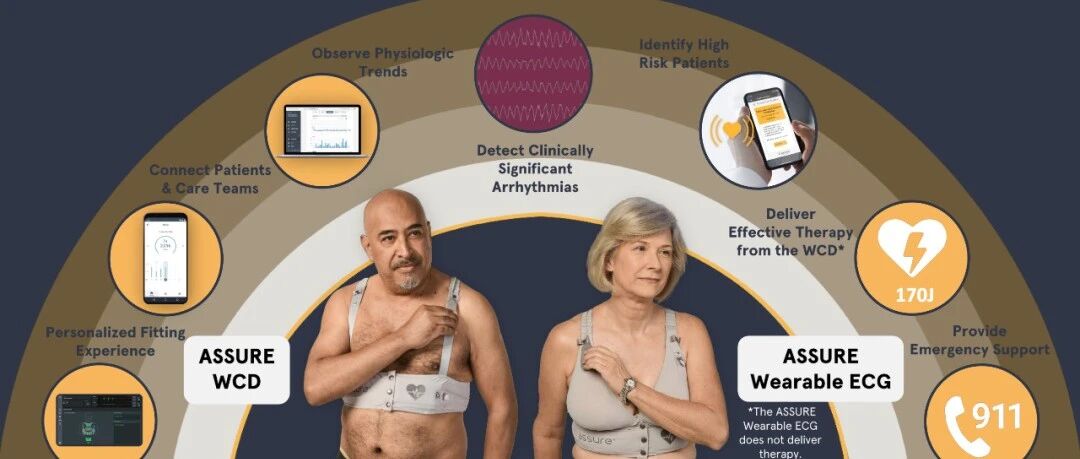
募资近10亿!可穿戴除颤器赛道迎来重要一跳
思宇MedTech· 2025-12-04 05:31
Core Viewpoint - Kestra Medical Technologies has successfully completed a significant common stock offering of approximately $138 million, which will be utilized for ongoing investment and commercialization in the wearable defibrillator (WCD) technology sector [2][13]. Industry Background - Serious cardiac events such as arrhythmias and ventricular fibrillation are major causes of sudden cardiac arrest and sudden cardiac death. For high-risk patients, a wearable cardioverter defibrillator (WCD) is considered an important transitional protective measure [3]. - The traditional WCD market has been dominated by a few products, but increasing demands for device portability, comfort, false alarm rates, and remote monitoring capabilities have created opportunities for technological innovation and commercialization of next-generation WCDs [3]. Company and Positioning - Founded in 2014, Kestra Medical Technologies focuses on wearable medical devices and digital health solutions, aiming to provide protection and care support for high-risk cardiac patients through intuitive, smart, and connected monitoring and treatment technologies [4]. - The core product line includes the ASSURE Cardiac Recovery System, along with a digital platform and patient application, positioning the company as a comprehensive service provider for long-term cardiac management and follow-up [4]. Core Product — ASSURE WCD - The ASSURE WCD is designed for patients at high risk of arrhythmias who are not suitable for immediate ICD implantation [5]. - The system emphasizes comfort, wearability, real-time monitoring, and automatic intervention, allowing patients to receive heart rhythm protection during normal daily activities [9]. Latest Clinical Data - In November 2025, Kestra presented results from the ACE-PAS study at the American Heart Association Scientific Sessions, which included 21,612 patients, making it the largest real-world clinical practice study of WCDs to date. The data confirmed the ASSURE system's safety, effectiveness, and wearability [12]. Use of Funds from Recent Financing - The recent $138 million common stock issuance will provide Kestra with sufficient funds to support further clinical research, scale production, enhance remote monitoring capabilities, and expand market coverage [13][14]. Conclusion - Kestra Medical Technologies is advancing the development of wearable heart rhythm protection devices through the ASSURE WCD and its digital health ecosystem. The data from large-scale real-world studies enhances trust in the device among clinicians and patients, supporting its broader application in arrhythmia protection, monitoring, and remote management [14].

可穿戴医疗设备行业把握:政策扶持与消费升级共振,健康监测应用加速落地:(2025.10.27—2025.10.31)
Huafu Securities· 2025-11-03 07:39
Group 1 - The wearable medical devices industry is experiencing rapid growth driven by technological advancements, product innovation, remote monitoring, home healthcare, and increased health awareness, with the global market expected to reach USD 42.74 billion in 2024 and grow to USD 168.29 billion by 2030, representing a compound annual growth rate (CAGR) of 25.53% [2][8][10] - In China, the wearable device market is the largest globally, with a year-on-year sales increase of 41.0% in January 2025, driven by the "National Subsidy" policy, which significantly boosted sales of smartwatches and wristbands by 33.7% and 68.0% respectively [9][10] - The market is benefiting from enhanced product cost-performance due to subsidies and promotions, leading to increased demand for both replacement and new users, particularly in the price segments of RMB 500-2000, which saw sales growth rates of 83.1%, 112.3%, and 77.0% respectively [9][10] Group 2 - The wearable medical devices encompass various forms such as headbands, necklaces, glasses, smartwatches, and wristbands, which monitor parameters like heart rate, sleep, and blood pressure, utilizing optical sensors for blood pressure and blood component monitoring [7][8] - Despite the rapid development, the industry faces challenges including data security, lack of unified standards, and issues with monitoring data accuracy and medical device certification [10] - The industry is entering a phase of accelerated development characterized by policy support and consumption upgrades, positioning wearable medical devices as a crucial component in health monitoring and intervention treatment [2][10]
获批FDA!全球首款无袖带血压监测系统
思宇MedTech· 2025-07-09 10:36
Core Viewpoint - Aktiia's G0 system represents a significant shift in blood pressure management from traditional cuff-based methods to a non-invasive, continuous, and wearable technology, receiving FDA approval as the first over-the-counter (OTC) blood pressure monitoring device [1][3][10] Group 1: Product Features and Innovations - The G0 system utilizes photoplethysmography (PPG) technology and the proprietary CALFREE algorithm to estimate systolic and diastolic blood pressure without the need for traditional cuff calibration [3][4] - It offers a lightweight design (approximately 22 grams) and automatic measurements every two hours, resulting in about 150 measurements per week, significantly higher than traditional devices [4][10] - The device provides real-time data visualization through the Hilo App, allowing users to track their blood pressure trends and share data with healthcare providers [4][10] Group 2: Clinical Validation and Data Support - Aktiia submitted key clinical trial data to the FDA, involving 140 patients, which demonstrated that the G0 system's measurements were within acceptable ranges compared to the gold standard of blood pressure measurement [6][7] - The results met ANSI/AAMI/ISO 81060-2:2013 standards, with mean differences for systolic and diastolic pressures being 1.3 ± 7.11 mmHg and -0.2 ± 5.46 mmHg, respectively [9][7] Group 3: Market Strategy and Financials - Aktiia plans to launch the G0 system in the U.S. market in 2026, targeting retail pharmacies, e-commerce, and medical channels, with an expected price of around $300 [1][10] - The company raised over $42 million in a Series B funding round to accelerate U.S. market entry and further optimize its algorithms [10] - Since its inception in 2018, Aktiia has accumulated over 130,000 users in Europe and collected more than 1 billion blood pressure measurements, establishing a robust database for algorithm improvement [7][10] Group 4: Competitive Landscape - While Aktiia G0 is the first OTC device approved by the FDA, it faces competition from other wearable blood pressure monitoring devices like Omron HeartGuide and LiveMetric, which have different measurement methods and user experiences [11][13][15] - Aktiia's advantages include its OTC status, continuous monitoring capability, and user engagement, but it also faces challenges such as non-waterproof design and the need for market education [11][17] Group 5: Company Overview - Founded in 2018 and headquartered in Neuchâtel, Switzerland, Aktiia focuses on developing non-invasive, continuous blood pressure monitoring technologies [18] - The company's mission is to provide daily, accurate blood pressure management solutions for hypertension patients through lightweight wearable devices and AI algorithms [18]
融资超3亿!AI血压管理公司完成B轮
思宇MedTech· 2025-05-02 13:29
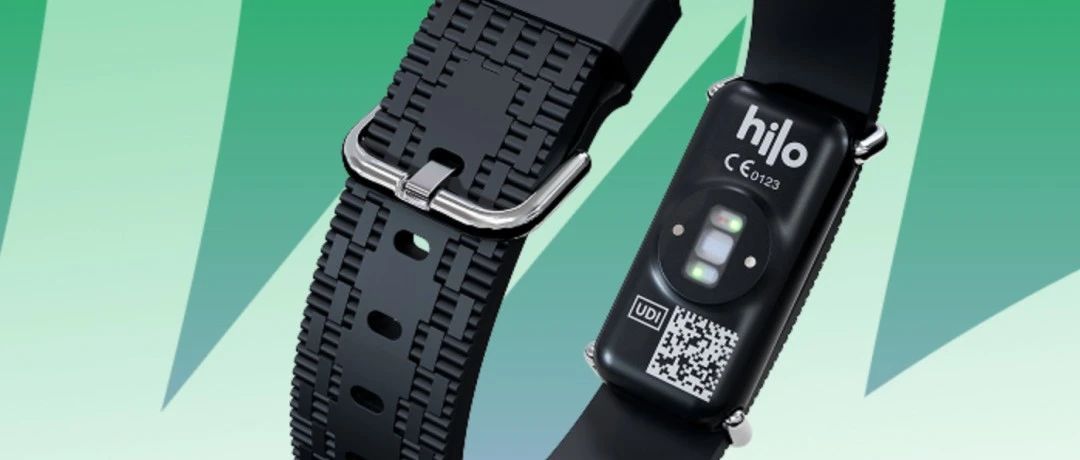
Core Viewpoint - Aktiia, now rebranded as Hilo, has developed a continuous, cuffless blood pressure monitoring device that utilizes AI and optical technology, aiming to transform hypertension management globally [2][14]. Group 1: Product Mechanism - Hilo's device is a wrist-worn, non-invasive blood pressure and heart rate monitor that operates continuously and conveniently [4]. - The device employs photoplethysmography (PPG) technology to measure blood pressure and heart rate without the need for cuffs [4][8]. - It features an automatic measurement mechanism that records blood pressure every hour, including during the night, and requires initial and monthly calibration with a standard cuff [7][12]. Group 2: Clinical Performance - Clinical data indicates that Hilo's average systolic and diastolic blood pressure readings during the day are comparable to those obtained from ambulatory blood pressure monitoring (ABPM), which is the clinical gold standard for hypertension diagnosis [8][9]. - User feedback highlights the device's convenience and painlessness, making it more suitable for long-term use, especially for patients who experience anxiety with traditional cuff methods [9]. Group 3: User Experience and Data Services - The device has received CE certification and is approved for sale in 44 countries, with plans to seek FDA approval in the U.S. by 2025 [10][15]. - The accompanying app allows users to track trends, receive personalized recommendations, and share reports with healthcare providers [12]. Group 4: Financing Overview - Hilo completed a $42 million Series B funding round, bringing its total funding to over $100 million, with participation from various investors [11][13]. - The funds will be used for product innovation, clinical iterations, and market expansion in North America, the Middle East, and Asia-Pacific [13]. Group 5: Brand Transformation - The rebranding from Aktiia to Hilo signifies a strategic shift towards a more globally recognized identity, aiming to connect personal health data with clinical applications [14]. - Hilo's vision has expanded from developing AI blood pressure monitoring models to providing comprehensive health management tools for both individuals and enterprises [14]. Group 6: Global Expansion Strategy - Hilo's products have achieved CE certification and are being marketed in multiple countries, with over 120,000 units sold and more than 300 million blood pressure data points collected [15]. - The company is exploring partnerships with insurance companies and telemedicine platforms to enhance its market presence [15][16]. Group 7: Enterprise-Level Path Exploration - Hilo is transitioning from a device manufacturer to a platform company, integrating AI capabilities and wearable data to enhance remote healthcare management [16]. - The continuous monitoring trend aligns with the increasing burden of chronic diseases, positioning Hilo at the forefront of healthcare innovation [16].