外骨骼设备

Search documents
塑造自己的下一个版本2026前沿科技趋势报告解读(40页附下载)
Sou Hu Cai Jing· 2026-02-23 09:39
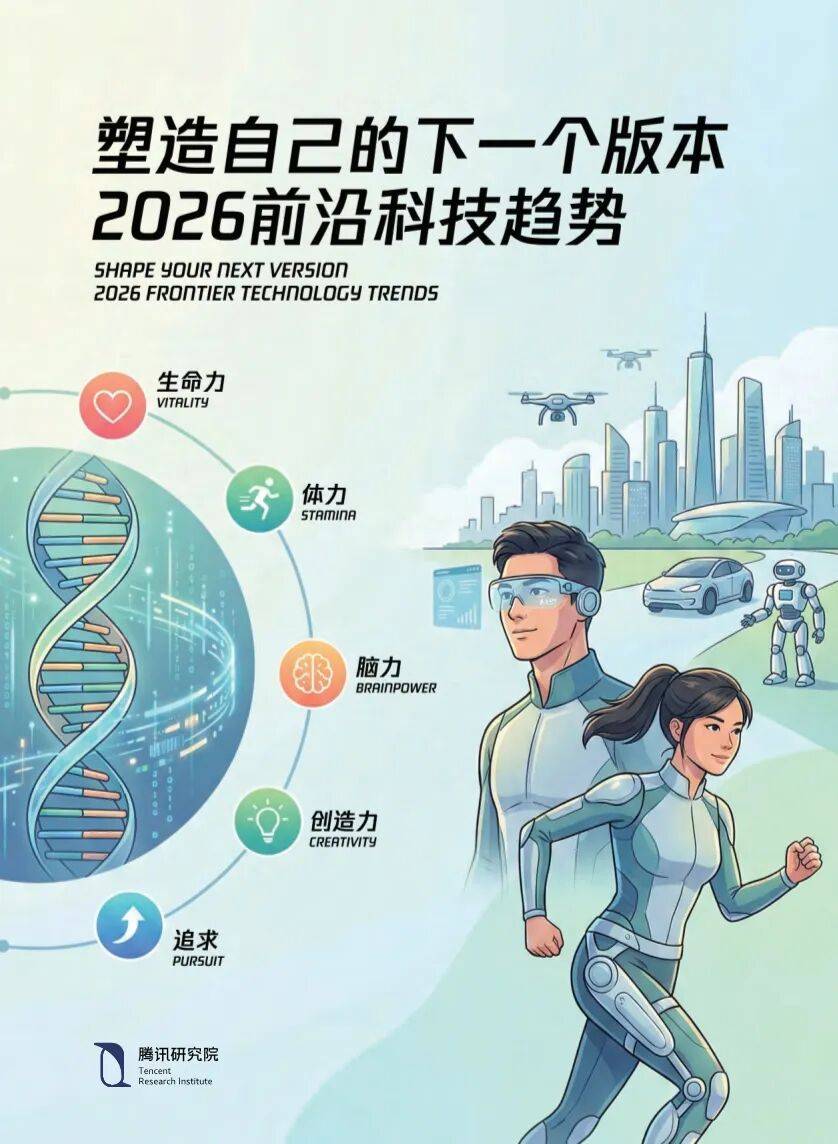
Group 1: Vitality 2030 - The report highlights a significant shift in human life expectancy, indicating that while life expectancy has doubled over the past century, the growth rate has drastically slowed down, with some regions experiencing stagnation or decline [2][29]. - A new paradigm is emerging, focusing on "healthspan" rather than just lifespan, emphasizing the quality of life without severe chronic diseases, which could generate a global economic value of up to $38 trillion if healthspan is extended by just one year [2][30]. - Key technological advancements include CRISPR technology entering its 2.0 phase, with potential breakthroughs in gene therapy for cardiovascular diseases and personalized treatments for metabolic disorders [2][34][35]. Group 2: Stamina 2030 - Exoskeleton technology is evolving from medical applications to industrial and personal use, significantly enhancing human physical capabilities [3][54]. - In the medical field, exoskeletons are transitioning from mobility aids to intelligent devices that promote neurological rehabilitation, with Medicare's reimbursement policy marking a significant milestone [3][54]. - Industrial applications are showing promising results, with companies like German Bionic reporting a 75% reduction in workplace injuries after implementing exoskeleton technology [3][54]. Group 3: Brainpower 2030 - The report discusses the evolution of artificial intelligence (AI) towards general intelligence (AGI), highlighting advancements in reasoning models that can self-correct and learn from experience [6][7]. - AI is expected to enhance medical practices by significantly reducing drug development timelines from 10-15 years to just a few months, with AI-driven drug candidates already entering clinical trials [6][44]. - Brain-computer interfaces (BCIs) are advancing, with both invasive and non-invasive technologies showing promise in restoring sensory functions and translating brain activity into coherent language [9][10]. Group 4: Creativity 2030 - The integration of AI with personal creativity tools is expected to redefine individual and team productivity, with AI assistants capable of generating complex outputs like presentations and creative content [11][12]. - The emergence of "super individuals" who can independently manage product development and marketing using AI tools is reshaping the concept of team dynamics and company structures [13][14]. - Large organizations are facing challenges in adapting to the AI era, necessitating a complete overhaul of human resource practices to focus on skills and collaborative partnerships rather than traditional employment models [14][15]. Group 5: Pursuit 2030 - The report raises critical questions about individual uniqueness and decision-making in an AI-driven world, emphasizing the importance of maintaining personal judgment and growth opportunities [16][17]. - It suggests that technology amplifies not only capabilities but also choices and values, urging individuals to reflect on their direction in a rapidly evolving landscape [16][17]. - The overarching theme is the need to balance technological advancements with the preservation of human dignity and quality of life, aiming for a future where health and vitality are prioritized over mere longevity [18][51].

【研选行业】这种技术方案有望突破DRAM制程瓶颈,存储密度跃升30%,2028年将量产!三条主线布局
第一财经· 2025-12-02 12:07
Group 1 - The article highlights a promising technology solution that is expected to break through the DRAM manufacturing bottleneck, with mass production anticipated by 2028. Three main lines of companies are positioned to benefit from this development [1] - The application of exoskeleton technology is expanding from medical uses to the consumer market, with a projected market size of 19.5 billion expected to reach a tipping point. Several A-share companies have already positioned themselves in key segments of this market [1]

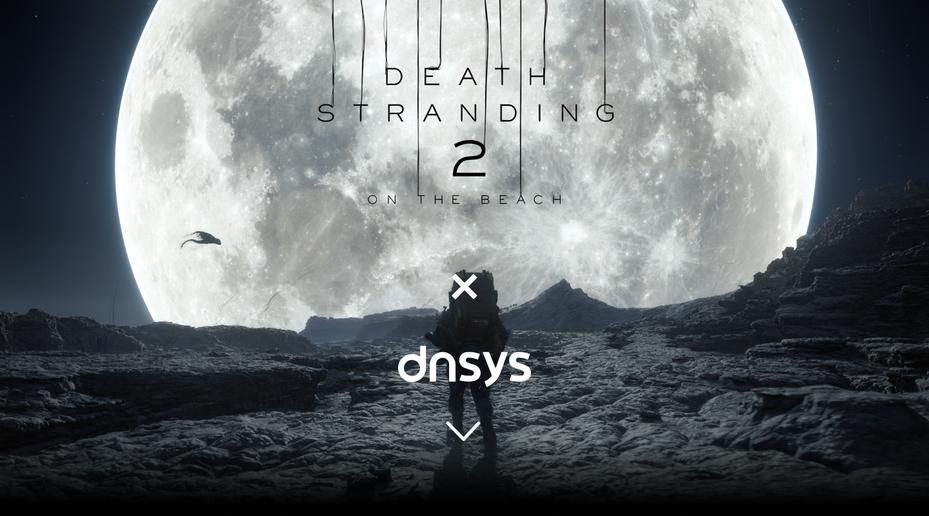
《死亡搁浅》外骨骼即将开卖,结果你告诉我这玩意儿扛不起300公斤?
3 6 Ke· 2025-11-24 09:13
Core Insights - The collaboration between Kojima Productions and Dnsys has resulted in a real-world exoskeleton inspired by the game "Death Stranding," set to launch on December 2 [3][25] - The exoskeleton is designed to reduce knee pressure by 200% and enhance walking efficiency by 50%, but it does not enable users to carry heavy weights like the character Sam in the game [6][8] - The exoskeleton functions more as an "electric assist" rather than a weight-bearing device, helping users with mobility but not significantly alleviating the burden of heavy loads [12][13] Product Features - The exoskeleton features a retro industrial design with LED lights, closely resembling the in-game equipment [3][25] - It is powered by a 900-watt motor, providing assistance to the user's legs but not directly supporting heavy weights [6][8] - The device is limited to a battery life of just over 4 hours, which may not be sufficient for long-distance hiking or heavy-duty tasks [25] Technical Explanation - The exoskeleton's design lacks a rigid structure that connects to the ground, which limits its ability to bear weight effectively [10][12] - Unlike the game version, which has a complete foot structure for weight distribution, the real-world model only provides assistance to the legs without alleviating the pressure from heavy loads [15][19] - The distinction between "soft assistive" and "rigid support" exoskeletons is highlighted, with the former being more practical for everyday use while the latter is more suited for heavy lifting [17][19] Market Implications - The exoskeleton technology is gaining traction in various fields, including rehabilitation for the elderly and those with mobility issues, providing both physical support and dignity [22][23] - The product may appeal primarily to fans of "Death Stranding" or outdoor enthusiasts, but its practical applications may be limited for the average consumer [23][25] - The development of lightweight assistive exoskeletons indicates a growing market for mobility-enhancing technologies, which could see broader adoption in the future [22][23]