媒体与科技

Search documents
Trump Media Stock (DJT) - Three Issues Put It On Thin Ice
Forbes· 2025-11-17 23:35
Core Viewpoint - Trump Media is facing significant financial challenges, with low quarterly revenues and increasing operating expenses, leading to a concerning earnings pattern [2][4][10]. Financial Performance - Since its 2024 merger, Trump Media has reported low quarterly revenues with no growth, while operating expenses have increased [2][4]. - The company has issued $1 billion in convertible notes and is investing heavily in cryptocurrencies and other assets, which raises concerns about its financial strategy [5][8]. Stock Price Concerns - Trump Media's stock price has declined from previous highs but remains above $10, which is critical as many SPAC-merger companies have fallen below this threshold [3][7]. - Falling below $10 could lead to significant issues, including potential reverse stock splits, as many companies have resorted to this to maintain listing requirements [7][8]. Risk Factors - The recent selloff is attributed to three main issues: disappointing third-quarter results, a shift in financial strategy towards high-risk investments, and the structure of new debt that requires maintaining substantial collateral [4][5][6]. - The company's shift towards a highly leveraged, cryptocurrency-focused strategy may not align with shareholder expectations, leading to potential dissatisfaction among investors [8][10]. Brand and Political Influence - President Trump's brand has historically supported Trump Media's stock price, but recent declines in his political support and approval ratings may negatively impact the company's valuation [10][12][14]. - The correlation between Trump's political standing and Trump Media's stock price suggests that as his popularity wanes, so too may investor confidence in the company [10][13].



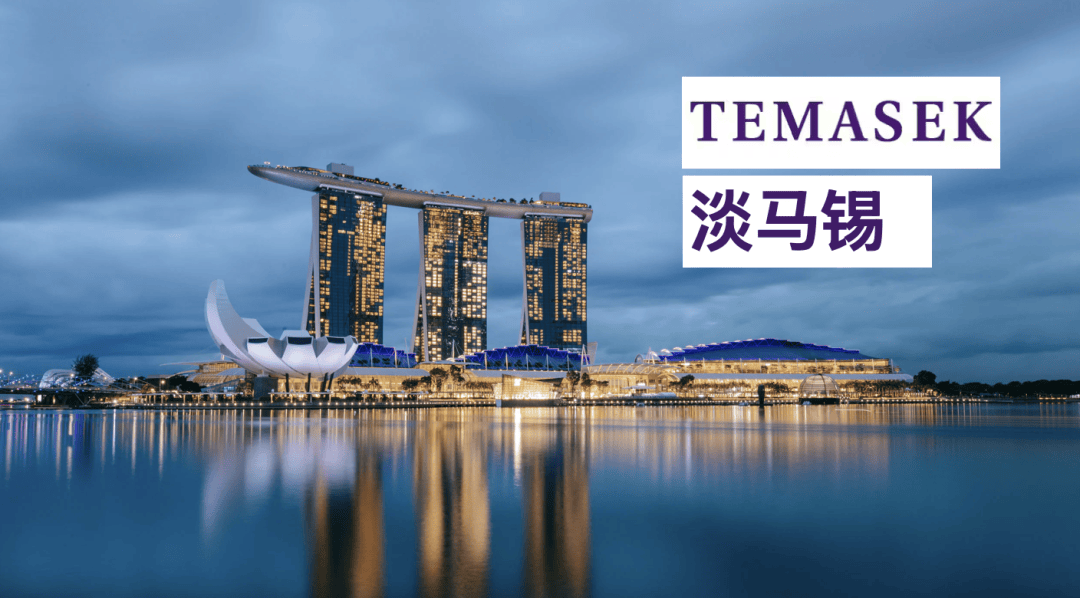
比肩顶级风投,手握国家命脉!这个投资了阿里巴巴、京东、比亚迪的淡马锡,国资能“抄作业”吗?
Sou Hu Cai Jing· 2025-09-04 00:35
Core Insights - Temasek Holdings, established in 1974, has evolved from managing domestic assets in Singapore to a global investment giant with a net portfolio value projected to reach SGD 434 billion by 2025, reflecting a 7% annualized shareholder return over 20 years [2][12][15]. Historical Context and National Role - Temasek was founded during a critical period post-Singapore's independence in 1965, taking over government-owned enterprises to operate them commercially, thus separating policy-making from business management [8][10]. - Initially, Temasek acted as a "booster" for Singapore's economic development, focusing on domestic investments in key sectors like infrastructure and finance [10][12]. Investment Strategy and Portfolio Distribution - Temasek's investment strategy emphasizes global diversification with a focus on Asia, maintaining a portfolio distribution of approximately 27% in Singapore, 37% in Asia (excluding Singapore), and 36% in developed markets as of March 2025 [27][30]. - The portfolio includes significant investments in financial services (21%), transportation and industrial sectors (22%), and technology (18%), reflecting a balanced approach to risk and return [32][35]. Governance and Operational Model - Temasek operates under a unique governance structure that separates government oversight from daily operations, with a three-tier governance model involving owners, a board of directors, and an executive team [21][24]. - The organization emphasizes a market-oriented talent and incentive system, linking compensation to long-term performance to avoid short-termism [16][17]. Lessons and Global Influence - Temasek's model serves as a reference for other countries in managing state-owned capital, highlighting the importance of separating government functions from enterprise management and adopting a long-term investment perspective [72][74]. - The organization has demonstrated resilience through diversified investments, allowing it to absorb losses from specific failures while maintaining overall growth [48][41]. Future Directions - Temasek is actively investing in emerging sectors such as artificial intelligence, biotechnology, and sustainable development, positioning itself as a key player in the next wave of technological and industrial revolutions [62][64][68]. - The organization is exploring the potential of becoming a more open capital platform, integrating external funds into its investment strategies to amplify its influence [70].