
宝石开采与加工

Search documents
百年骗局告破!中国县城冲击全球市场,820 万降至9.9元,巨头破产
Sou Hu Cai Jing· 2025-12-17 19:01
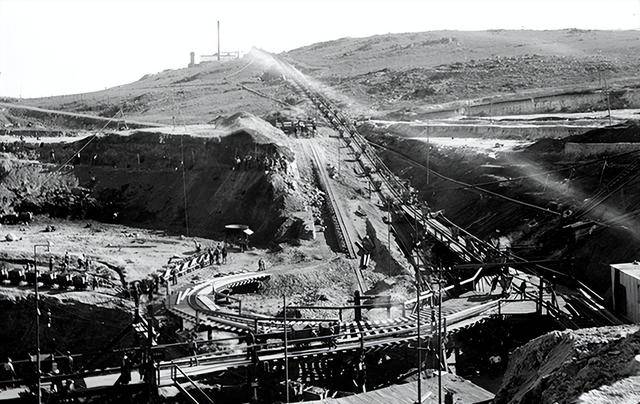
Core Viewpoint - The traditional diamond market is facing significant disruption due to the rise of synthetic diamonds, particularly from Chinese counties, which are changing the pricing dynamics and market structure of the gemstone industry [1][16][20]. Group 1: Historical Context of Diamonds - Diamonds were historically rare and expensive, primarily sourced from India and Brazil until the discovery of large mines in South Africa in 1871, which led to a surplus and declining prices [1]. - In response to market saturation, companies formed De Beers in 1888 to control supply and maintain high prices through production limits and marketing strategies [3][5]. - De Beers successfully linked diamonds to romantic symbolism through extensive advertising campaigns starting in the 1930s, creating a perception of diamonds as essential for engagements [3][5]. Group 2: Rise of Synthetic Diamonds - Chinese counties, particularly Zhecheng in Henan, have emerged as leaders in synthetic diamond production since the 1980s, utilizing high-pressure, high-temperature methods to create artificial diamonds [7][9]. - By 2023, Zhecheng produced 22 million carats of synthetic diamonds, capturing over 50% of the global market share, with significant increases in production and export values [9][16]. - The cost of synthetic diamonds is significantly lower than natural diamonds, with prices ranging from 2,000 to 4,500 yuan per carat, making them accessible to a broader consumer base [9][18]. Group 3: Market Dynamics and Impact - The traditional diamond market is experiencing a decline, with De Beers' revenue projected to drop from $4.3 billion in 2023 to $3.3 billion in 2024, a 23% decrease [18][20]. - The competition from synthetic diamonds has led to a decrease in De Beers' rough diamond sales, with a 28% drop in volume to 17.9 million carats [18][20]. - The shift in consumer preferences towards synthetic options is reshaping the industry, with traditional high-priced diamonds losing their appeal as consumers seek more affordable alternatives [16][26]. Group 4: Broader Economic Implications - The rise of synthetic diamonds is indicative of a larger trend where traditional luxury goods are becoming more accessible, as seen with the declining prices of caviar and truffles due to increased production [22][26]. - The global supply chain is adjusting, with Chinese products increasingly exported to Southeast Asia and beyond, reflecting a significant shift in market dynamics [16][26]. - The traditional marketing myths surrounding luxury goods are being challenged, leading to a more democratized market where consumers have more choices and lower prices [16][26].

“波斯蓝”,伊朗生机之石
Huan Qiu Shi Bao· 2025-11-20 22:36
Core Insights - The article discusses the historical and cultural significance of turquoise, particularly from Iran, highlighting its value as both a gemstone and a cultural symbol [1][5][6] Group 1: Historical Context - Nishapur, located in Iran's Khorasan province, is one of the oldest turquoise production sites, with evidence of processed turquoise dating back to around 5000 BC [3] - The turquoise industry in Nishapur reached its peak during the Safavid dynasty, producing the majority of Iran's turquoise for centuries [3][4] - Turquoise was historically traded along the Silk Road, reaching markets in South Asia, Europe, and North Africa, with many foreign explorers documenting the region's turquoise industry [3] Group 2: Cultural Significance - Turquoise holds a special place in Persian literature, symbolizing beauty and power, akin to jade in Chinese culture [4][5] - Persian poets frequently referenced turquoise in their works, associating it with victory and divine favor [5] - The gemstone is believed to possess mystical properties, enhancing the power and authority of rulers who adorned themselves with turquoise crowns and jewelry [5] Group 3: Quality Assessment - The value of turquoise is primarily determined by its color, with deep blue or sky blue varieties, known as "Persian blue," being the most prized [6] - Other quality indicators include the uniformity of color distribution and the clarity of the surface, with well-patterned stones fetching higher prices [6] - The hardness and density of turquoise also play a role in its valuation, with high-quality stones being more resistant to wear and tear [6] Group 4: Market and Applications - After processing, turquoise is sold in local markets, initially used for jewelry such as rings and necklaces, but now also for more complex decorative items [8] - Turquoise is widely used in architectural decoration, seen as a representation of heavenly beauty in significant historical buildings [8] - The popularity of turquoise jewelry in Iran spans various price ranges, appealing to both local and international markets, with increasing recognition among celebrities [8]
