
怀旧经济

Search documents
你愿意为情怀买单吗
Xin Lang Cai Jing· 2026-02-01 21:21
Core Insights - Nostalgia economy, also known as retro economy, is driven by consumers' nostalgic emotions, utilizing old items, traditional crafts, and classic IPs to evoke collective memories and meet emotional and social needs [3][5] - The market size of China's nostalgia economy is projected to reach 355.25 billion yuan by 2025, with an annual growth rate of 11.7%, and is expected to reach 587.85 billion yuan by 2030 [3] Group 1: Market Trends - Nostalgia consumption is increasingly popular among young consumers, with online second-hand trading platforms becoming a key area for purchasing old items like stamps, coins, toys, books, and records [4] - The topic "Did you play CCD today?" on social media has over 1 billion views, indicating a strong interest in retro photography equipment [4] - Commercial areas are also embracing nostalgia, with places like Beijing Wangfujing creating retro scenes that resonate with consumers' childhood memories [4] Group 2: Consumer Behavior - Consumers are seeking emotional comfort and identity recognition through nostalgia, providing a sense of stability and belonging in a rapidly changing world [5] - The viewing of nostalgic films, such as the recent release of "The Legend of the Condor Heroes," serves as a ritualistic re-experience of past emotions rather than just entertainment [3] Group 3: Business Opportunities and Challenges - Businesses are capitalizing on nostalgia by reviving classic IPs and creating retro-themed products, leading to a positive cycle of emotional demand and commercial supply [6] - However, challenges such as high prices, lack of innovation, and market saturation pose risks to the sustainability of the nostalgia economy [6][7] Group 4: Future Directions - The future of the nostalgia economy lies in balancing emotional authenticity with innovation, suggesting that brands should integrate modern functional needs while preserving core cultural elements [8][9] - Expanding the nostalgia economy beyond consumer experiences to include creative design, product development, and brand incubation can create a cultural value-driven ecosystem [8][9]

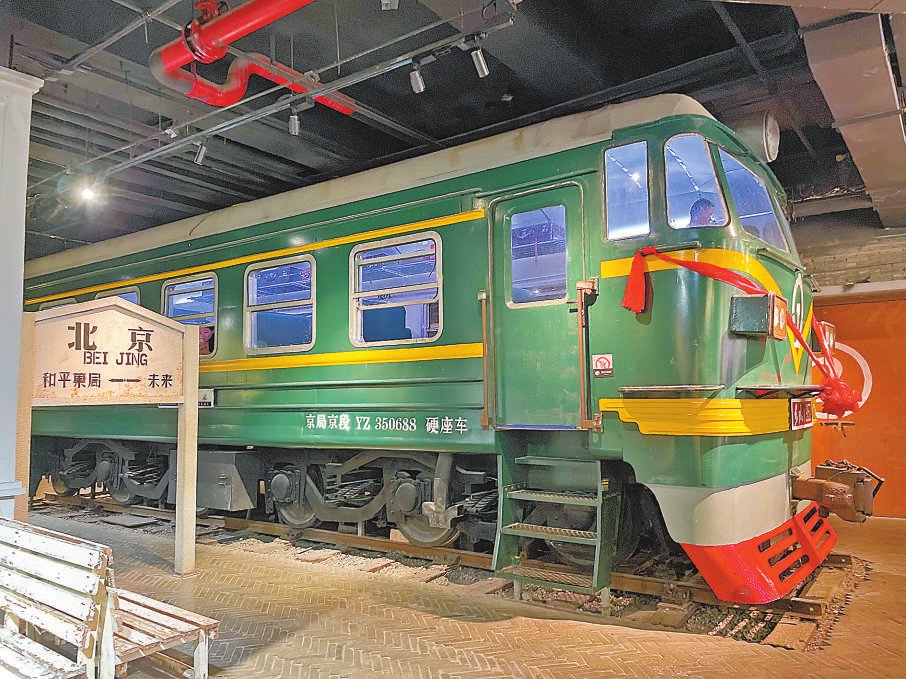
创新怀旧经济,激活体验消费潜力
Xin Lang Cai Jing· 2026-01-21 13:24
Core Insights - The nostalgic economy in China is projected to reach a market size of 355.25 billion yuan in 2025, with a year-on-year growth of 11.7%, and is expected to reach 587.85 billion yuan by 2030 [1] - Nostalgic economy, driven by consumer sentiment, utilizes old items, traditional crafts, and classic IPs to evoke emotional resonance and meet consumers' spiritual needs while also providing practical value and social attributes [1][2] Group 1: Market Trends - The trend of nostalgia has transformed from mere emotional resonance into a significant business opportunity, with young consumers driving this change [2] - Sales of nostalgic products such as retro cameras, old gaming consoles, and nostalgic snacks have seen a 120% year-on-year increase, with 65% of orders coming from the 18 to 35 age group [1] Group 2: Consumer Behavior - In a fast-paced, uncertain world, nostalgia serves as a "psychological anchor," providing a sense of security, continuity, and identity, while experiential consumption translates this abstract comfort into tangible social moments [3] - Nostalgic experiences cater to emotional healing, allowing consumers to reconnect with childhood memories and cultural heritage, thus fulfilling deeper psychological needs [3] Group 3: Challenges and Innovations - The nostalgic economy faces challenges such as inflated prices, severe homogenization, counterfeit goods, and a lack of innovation [4] - To enhance the nostalgic experience, companies should leverage technologies like VR/AR to recreate classic scenes, explore local unique memories, and integrate contemporary aesthetics with retro elements [4]