房地产开发与旧城改造

Search documents
总体消灭“拎马桶”,上海为何用30多年完成一件事
Di Yi Cai Jing· 2025-11-18 14:29
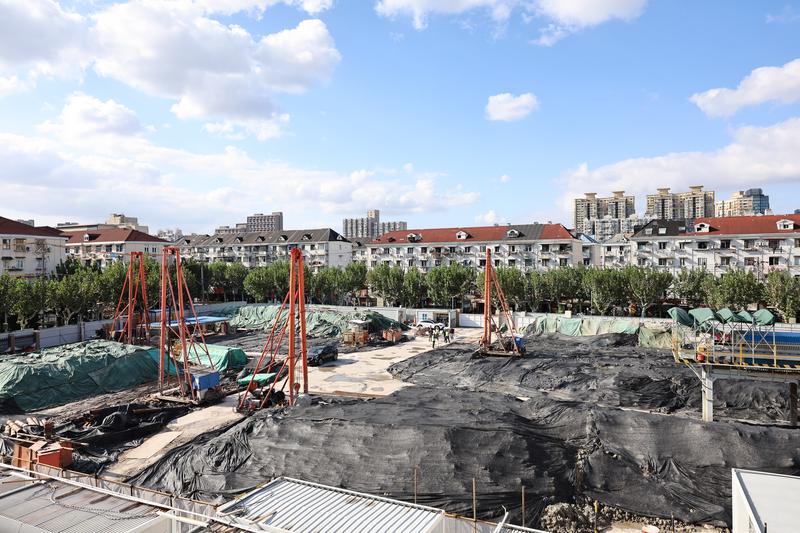
Core Insights - The "toilet relocation" project in Shanghai is set to be completed by September 2025, marking a significant milestone in urban renewal efforts that have spanned over 30 years [1][2][14] - The initiative aims to improve living conditions in old neighborhoods, transitioning from shared toilet facilities to independent bathrooms, thereby enhancing the quality of life for residents [2][4][14] Summary by Sections Historical Context - Shanghai has been working on the renovation of old neighborhoods since the 1990s, with a focus on areas with inadequate sanitation facilities [2] - The Yangpu District, a key area for this initiative, has seen significant changes, with one-third of the city's old neighborhoods located there [2][3] Project Implementation - The renovation process involves complex challenges, including space constraints and diverse property ownership situations [3][4] - A comprehensive approach is being taken, with community engagement to ensure that residents' needs and preferences are considered in the redesign [3][4] Specific Projects - The Huangxing Road 1039 project involves the demolition and reconstruction of three buildings without sanitation facilities, aiming to complete the project within four years [3][4] - The project has successfully achieved 100% resident agreement on the new plans within just 13 days, indicating strong community support [4] Broader Urban Renewal Strategy - Shanghai's urban renewal strategy includes various methods tailored to specific neighborhoods, such as demolition and reconstruction, as well as retrofitting existing structures [7][9] - The city has identified over 14,000 households still using shared toilet facilities, with a goal to complete renovations within two years [7] Future Directions - The ongoing urban renewal efforts are part of a larger trend towards modernizing living conditions in line with national urbanization goals, emphasizing the importance of investing in both infrastructure and community well-being [11][13][14] - The city is preparing for a new round of urban renewal initiatives, focusing on improving living standards and community facilities [13][14]

上海拆迁加速了!
Sou Hu Cai Jing· 2025-10-22 15:17
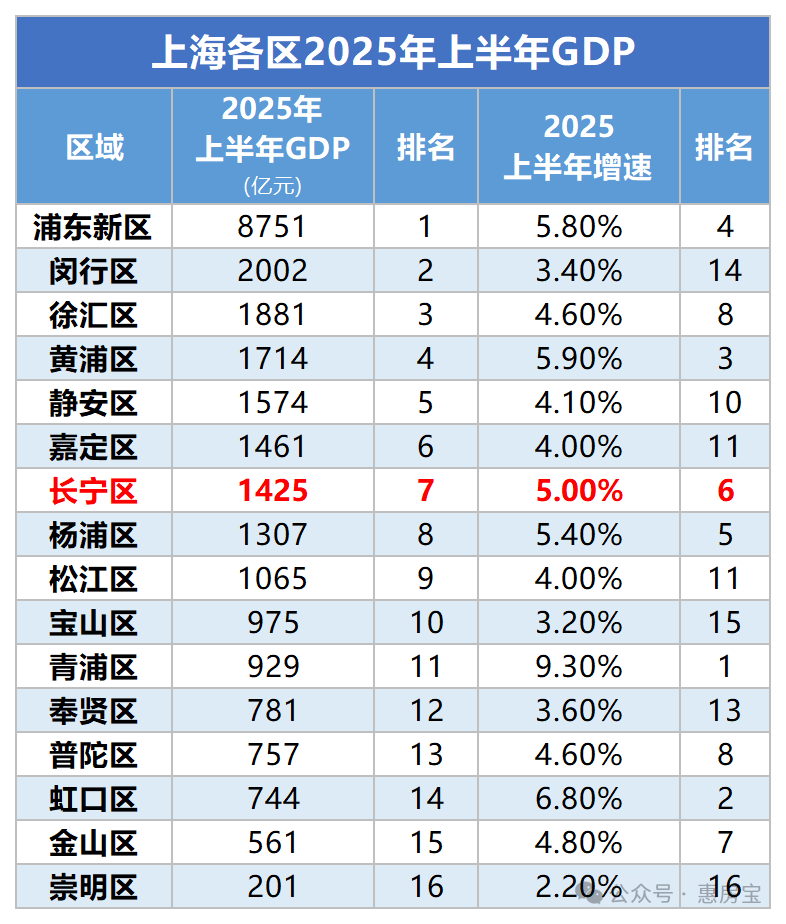
Core Viewpoint - The news indicates an acceleration in demolition activities in Shanghai as the fourth quarter begins, with specific focus on the Longjing district and its potential for urban renewal and economic growth [1]. Group 1: Demolition Activities - Longjing district has initiated demolition announcements for multiple properties, including various addresses on Wuyi Road and Zhao Hua East Road, with compensation options including monetary and suburban housing exchanges [2]. - The demolition budget for Longjing in 2025 is significantly lower at 446 million compared to Xuhui's budget of 51 billion [2]. Group 2: Economic Performance - Longjing district ranks seventh in Shanghai for GDP in the first half of 2025, with a total GDP of 142.5 billion and a growth rate of 5%, placing it sixth among districts [3][4]. - Longjing's per capita GDP is second only to Huangpu, indicating it is one of the highest-producing areas in Shanghai [3]. Group 3: Housing Conditions - Approximately 246,000 square meters of non-standard housing exist in Longjing, with 191,000 square meters located in the Tianshan Road area, accounting for nearly 80% of the district's total [5]. - The compensation standards for housing in the Lujiazui area have been released, with an average evaluation price of 79,217 yuan per square meter and additional compensation for relocation [6]. Group 4: Urban Renewal Plans - The Shanghai Urban Renewal Action Plan (2026-2028) outlines that comprehensive renovations of urban villages will begin in 2026, with the completion of small beam thin plate housing renovations expected by 2027 [11]. - Various districts, including Huangpu, Xuhui, and Yangpu, are making progress in their demolition and urban renewal efforts, with Xuhui leading in planning and execution [8][9][10].