政府福利

Search documents
供暖补助停发 美国590万家庭受影响
Sou Hu Cai Jing· 2025-11-02 13:41
Core Viewpoint - The U.S. government shutdown has led to the suspension of several government-led assistance programs, including the Low-Income Home Energy Assistance Program (LIHEAP), affecting 5.9 million households across the country, which may face a cold winter without heating [1][4]. Group 1: Impact on Low-Income Families - The suspension of LIHEAP will severely impact the lives of low-income families, as highlighted by a resident from Edina, Minnesota, who relies on this subsidy for daily living [3][6]. - The LIHEAP, established in 1981 and overseen by the U.S. Department of Health and Human Services, aims to assist low-income households in paying for heating and utility costs [8]. - Predictions indicate that delays in energy assistance may continue until January next year, exacerbating the difficulties faced by low-income families during winter [8]. Group 2: Broader Implications of the Shutdown - The delay in LIHEAP funding is not isolated; other critical welfare programs, such as the Supplemental Nutrition Assistance Program (SNAP) and the Special Supplemental Nutrition Program for Women, Infants, and Children (WIC), may also experience delays [10]. - Approximately one-third of the U.S. population lives on the edge of poverty, making these assistance programs vital to prevent them from falling into deeper financial distress [10].


政府“停摆”持续,美低收入人群食品援助要停了
Yang Shi Xin Wen· 2025-10-27 00:16
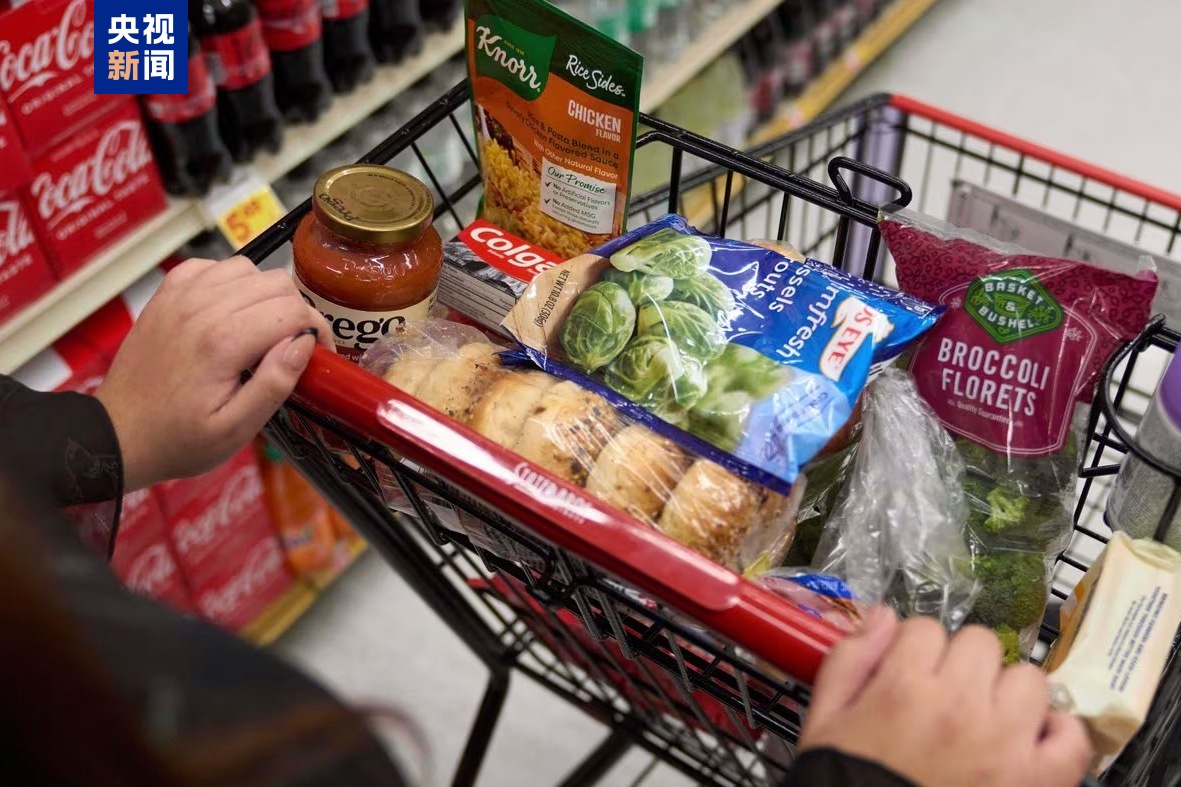
Core Points - The U.S. Department of Agriculture announced that the Supplemental Nutrition Assistance Program (SNAP) will cease operations on November 1 due to depleted funds [1][3] - Approximately 42 million individuals benefit from SNAP, primarily low-income groups, including the disabled and elderly, who use government-subsidized food vouchers to purchase food at designated stores [3] Group 1 - The SNAP program will stop issuing benefits starting November 1 due to a lack of funding [1][3] - The program serves around 42 million people, focusing on low-income individuals, the disabled, and the elderly [3]