旅行社等

Search documents
中国AI旅游应用分化加剧:谁在领跑?谁陷停滞?
Sou Hu Cai Jing· 2025-10-06 02:30
Core Insights - The application of AI in China's tourism industry is evolving from conceptual discussions to practical implementations, significantly transforming operational methods for both travelers and tourism companies [2][3] - A report presented at the 2025 Global Travel Summit highlights the challenges and trends of AI adoption within tourism enterprises, emphasizing the role of grassroots employees over CEOs in driving AI integration [4][5] AI Adoption Trends - In the first half of 2024, 53% of surveyed companies reported using AI, with a slight increase to 54.1% in the second half, indicating a slow adoption rate in B2B contexts despite frequent media coverage of new models [5][6] - Large enterprises (1,000+ employees) saw a decline in AI usage from 80.6% to 74.4%, while medium-sized enterprises (200-500 employees) increased their usage from 38.5% to 53.3% [6][7] Sectoral Disparities - The AI application rates among tourism companies show a clear three-tier differentiation: - The first tier includes technology-intensive sectors like airlines, which have a high AI penetration rate - The second tier consists of business travel companies and travel tech firms, known for their quick adoption of new technologies - The third tier includes OTAs, tourism boards, and scenic spots, which are lagging behind [7][8][9] Organizational Challenges - Despite individual employees using AI, many companies have not established end-to-end AI workflows, indicating a gap in organizational integration [11] - Over 50% of companies believe that external policies and market conditions significantly impact AI technology applications, highlighting the uncertainty in the current environment [12] Application Focus - 76.3% of companies are prioritizing AI for internal operational efficiency, although some application rates, such as store management and personalized recommendations, have decreased due to perceived cost-benefit issues [12][13][14] - A significant portion of companies (46.8%) believes AI will mature within one to two years, reflecting an overly optimistic outlook on AI capabilities [16][18] Key Recommendations for AI Integration - Companies need to redefine their understanding of generative AI, moving beyond viewing it as a mere IT project aimed at replacing human roles [19] - Successful AI implementation requires overcoming three capability bridges: organizational questioning ability, data leadership, and human-machine collaboration [19][20] - Establishing dedicated AI project management offices and cultural performance metrics can facilitate better integration of AI into business processes [20][23]

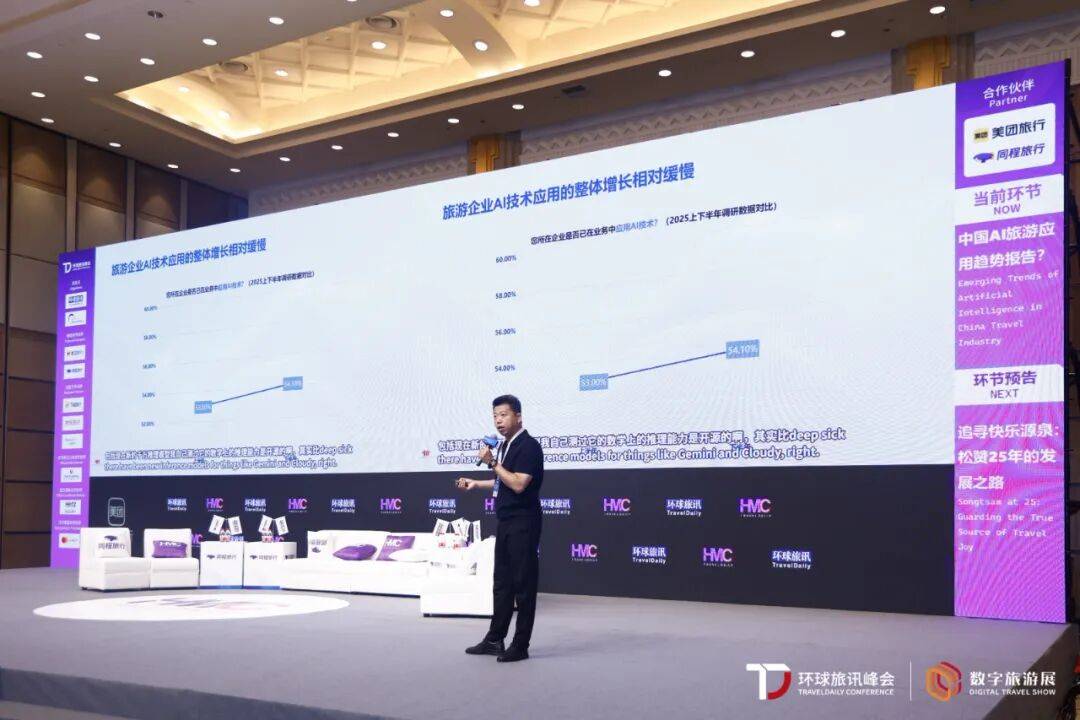
国办:不得以“大数据杀熟”等行为侵害游客权益
财联社· 2025-09-15 09:52
Core Viewpoint - The article emphasizes the need for enhanced comprehensive regulation of the tourism market, focusing on the responsibilities of tourism operators and the protection of tourists' rights and interests [1] Group 1: Responsibilities of Tourism Operators - The notification mandates tourism operators to fulfill their primary responsibilities and adhere to the principle of "tourist-centered, sincere service" [1] - It highlights the importance of legal compliance in operations to improve service quality and ensure the safety and legal rights of tourists [1] Group 2: Management of Travel Agencies and Guides - Travel agencies are encouraged to arrange reasonable travel itineraries and manage tour guide teams effectively [1] - The notification stresses the legal protection of tour guides' labor rights [1] Group 3: Online Travel Platforms - Online travel platforms are urged to enhance personal information protection and refrain from practices such as "big data killing familiarity," false advertising, and bundled sales that infringe on tourists' rights [1] - The article promotes healthy competition among online travel platforms and the legal protection of operators within these platforms [1] Group 4: Safety and Compliance Measures - The notification emphasizes the need for tour bus companies to take responsibility for safety production [1] - It calls for shopping venues and tourist attractions to ensure that quality matches price and to resist commercial bribery [1]