
智库服务

Search documents
城市竞速,智库何为?
Mei Ri Jing Ji Xin Wen· 2026-01-20 11:14
Core Insights - China's urban competition has entered a new phase, transitioning from rapid growth to stable development, necessitating a shift in urban development strategies and methodologies [1] - The demand for specialized and forward-looking intellectual support has become increasingly urgent during this critical transformation period [1] - Think tanks play a crucial role in urban development, linking government and society, and supporting high-quality economic and social development [1] Group 1: Urban Development and Think Tanks - The Central Urban Work Conference emphasizes the need for systematic adjustments in urban development concepts, methods, and focus [1] - Since the 18th National Congress, the construction of Chinese think tanks has accelerated, forming a multi-layered and diversified ecosystem that supports economic and social development [1] - The Chengdu Economic Development Research Institute has established a comprehensive research system for industrial park development, integrating research, planning, monitoring, and industry expertise [4][6] Group 2: Industrial Development Strategies - Industrial parks are identified as the main battleground for urban economic development, with Chengdu aiming to enhance its industrial capabilities and competitiveness [3] - The Chengdu Economic Development Research Institute proposes a "four pillars and eight beams" approach to high-quality industrial park development, focusing on functional positioning and economic capacity [4] - The institute has developed a full lifecycle consulting service system covering industrial research, park planning, construction implementation, operation monitoring, and benefit evaluation [6][10] Group 3: Monitoring and Evaluation - Monitoring and evaluation are essential components of the lifecycle research, providing insights into development effectiveness and identifying areas for improvement [10] - The Chengdu Economic Development Research Institute has created a series of monitoring and evaluation indicators for industrial parks and key industrial chains, contributing to the overall advancement of the industrial system [10] Group 4: Global City Competitiveness - The development of productive service industries is crucial for enhancing urban competitiveness and achieving global city status [12] - Chengdu's recent rise in global city rankings highlights the need to strengthen the role of productive service industries in urban development [12][16] - The Chengdu Economic Development Research Institute suggests optimizing industrial layouts based on the preferences of different productive service sectors and promoting the integration of manufacturing and services [16] Group 5: Technological Integration and Innovation - The integration of new technologies and business models is reshaping industry boundaries, with a focus on deepening the fusion of technology and industry [11] - The Chengdu Economic Development Research Institute is leveraging big data and artificial intelligence to enhance decision-making and research capabilities [20][24] - The institute has developed smart applications for economic analysis and project management, transforming traditional think tank functions into data-driven decision-making systems [20][24]


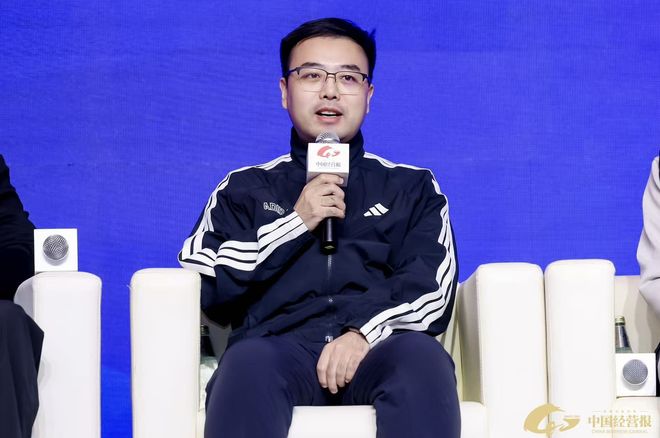
深圳高技术产业创新中心卢春江:跨界融合与场景创新推动数据业务落地
Zhong Guo Jing Ying Bao· 2025-12-11 07:02
Core Insights - The data factor market is empowering various industries, with a shift towards data-driven business models and services [2][3] Group 1: Industry Trends - The digital transformation of think tank services is leading to the creation of high-quality datasets, such as HiTech data, which includes 40 billion effective data points and integrates advanced technologies like natural language processing and machine learning [3] - The think tank has developed over 100 industry analysis models and constructed a knowledge graph with 780 million entities and billions of relationships, serving more than 50 government departments and over a thousand enterprise users [3] Group 2: Data Integration and Application - There is a need for a market-oriented public data platform to facilitate the integration of public data with real operational data from enterprises, enhancing decision-making in R&D, production, supply chain management, and marketing [3][4] - The think tank emphasizes the importance of understanding specific industry contexts to effectively embed data capabilities and unlock value, highlighting the necessity of cross-industry integration and scenario innovation for successful data business implementation [4] Group 3: Product Development - The think tank has created two types of products: SaaS products for B2B and B2C empowerment, and DaaS services that directly cater to data users [4] - The focus on scenario-based applications has led to the development of knowledge models that assist in industry analysis, monitoring, and talent acquisition [4]
新型智库与AI技术:重塑产业格局的核心驱动力
Xin Hua Wang· 2025-07-03 12:41
Core Insights - The integration of AI technology is fundamentally reshaping the operational logic of new-type think tanks, enhancing their role in national governance and decision-making processes [1][2] - The "Global AI Creativity Development Report 2025" highlights how new-type think tanks leverage AI to empower industrial innovation and outlines the core technological systems supporting this transformation [1] Group 1: AI Technology and New-Type Think Tanks - The intelligent transformation of new-type think tanks represents a revolutionary change in knowledge production methods, transitioning from experience-based to data-driven decision-making [2] - AI technology has made significant breakthroughs in policy simulation, providing more reliable references for policy formulation and creating new service forms such as intelligent consulting and personalized reports [2][3] - The digital transformation of think tanks emphasizes team collaboration and interdisciplinary research, driving profound changes in emerging industries and promoting industrial upgrades [2] Group 2: Global Cooperation and Innovation Practices - AI technology is reshaping international cooperation models among think tanks, facilitating efficient information sharing and collaborative research to address global issues [3] - The "Think Tank AI Symbiosis Plan" aims to deepen the integration of AI with new-type think tanks, creating an open collaborative platform that links data, models, scenarios, and ecosystems [3][4] - The establishment of a comprehensive industrial ecosystem is supported by integrating digital technology and strategic communication, focusing on areas like digital economy and rural revitalization [5][10] Group 3: Intellectual Property and Knowledge Capital - Intellectual property is crucial for the development of new-type think tanks, serving as an intangible asset that underpins their core capabilities [7] - The organization emphasizes the protection and utilization of intellectual property, having registered multiple intellectual property achievements and engaging in various collaborative efforts [8][9] - Promoting knowledge-intensive industries is seen as a key driver for innovation and economic development, with a focus on capitalizing on intellectual property outcomes [9] Group 4: Service and Exploration in Various Fields - The think tank is actively involved in supporting the digital economy and big data development, providing intellectual support for the construction of smart cities [10] - It plays a significant role in regional development and industrial upgrading, particularly in initiatives like the Silk Road Science City and rural revitalization efforts [11][12] - Cultural soft power construction is a priority, with initiatives aimed at promoting traditional Chinese culture and enhancing national cultural confidence [13] Group 5: Future Outlook and Development Goals - The think tank aims to strengthen its brand and core competitiveness through various initiatives, including the establishment of the "Think Tank Community" and enhancing its knowledge property system [14][15] - It seeks to expand cooperation and build an ecosystem that integrates various resources, promoting collaborative innovation across industries [15] - The focus will be on advancing industrial innovation and social development, addressing challenges posed by AI technology while contributing to national strategies and regional economic growth [16]
