
植物保护

Search documents
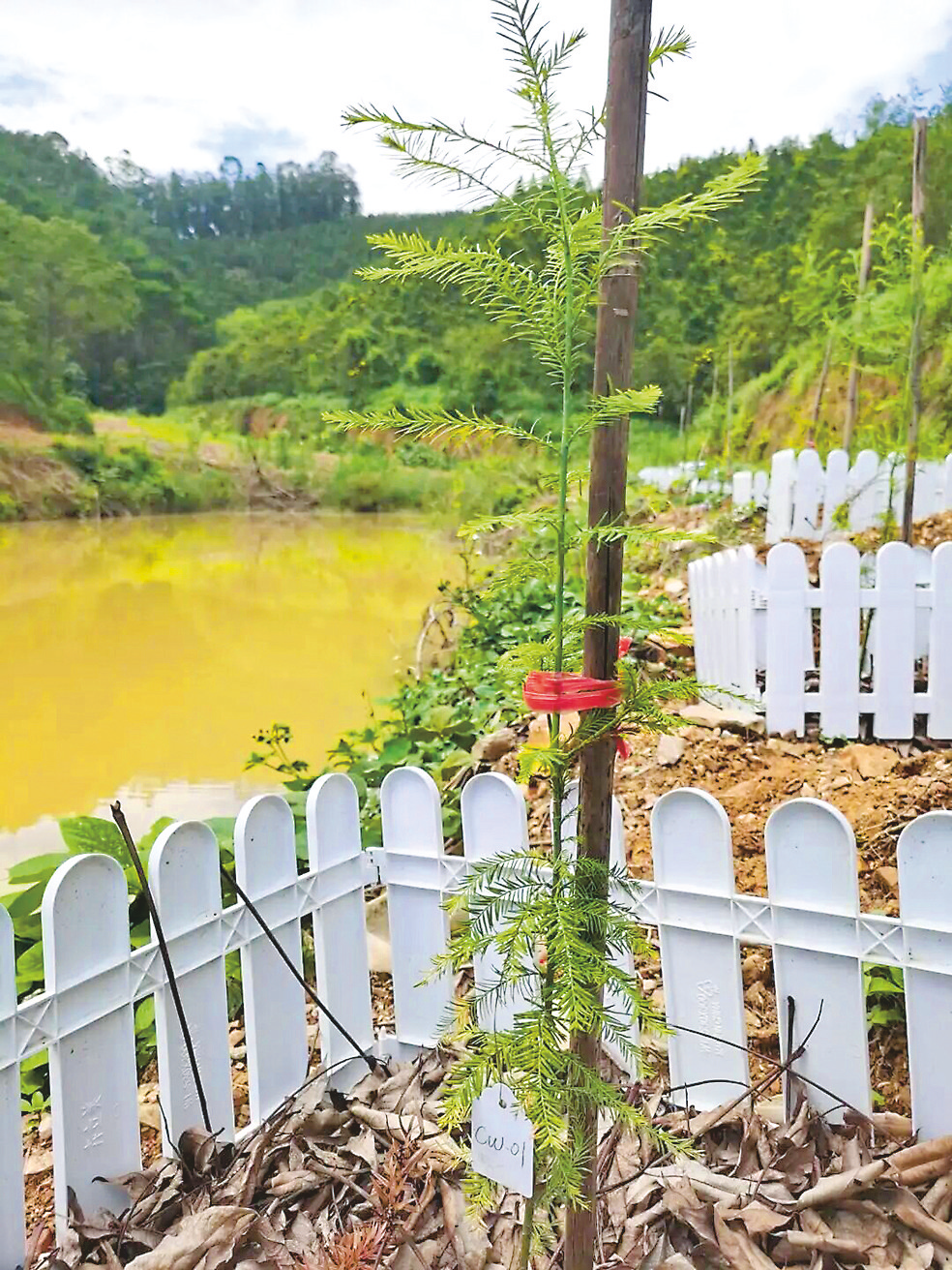
“十四五”期间1200株水松在南宁等地实施野外回归
Xin Lang Cai Jing· 2026-01-20 21:55
Group 1 - The core viewpoint of the article highlights the successful conservation efforts for the rare plant Metasequoia glyptostroboides (water pine) in Guangxi, with over 1,200 seedlings returning to the wild during the 14th Five-Year Plan period [2][3] - The existing wild Metasequoia trees in Guangxi are critically endangered, with only 7 ancient trees remaining, all over 150 years old, facing severe challenges for species continuation [3] - The Guangxi Forestry Bureau has initiated a "Water Pine Return" rescue plan, implementing tailored conservation measures for each existing tree, leading to improved habitats and the gradual revival of these ancient trees [3] Group 2 - The project has successfully bred over 3,000 Metasequoia seedlings, with more than 1,200 robust seedlings selected for reintroduction in areas similar to their original habitats across multiple cities in Guangxi [3] - By 2025, the project aims to establish a stable, self-sustaining experimental population of Metasequoia, utilizing a research platform for conservation techniques and selecting Fenghuang Forest Park as a demonstration site for reintroduction [3][4] - The reintroduction of Metasequoia is a proactive measure by Guangxi to implement national biodiversity protection strategies, supporting ecological restoration in wetlands and contributing to the establishment of the Nanning National Botanical Garden [4]

4万余株西藏虎头兰种苗重返桂西北
Xin Lang Cai Jing· 2026-01-09 00:10
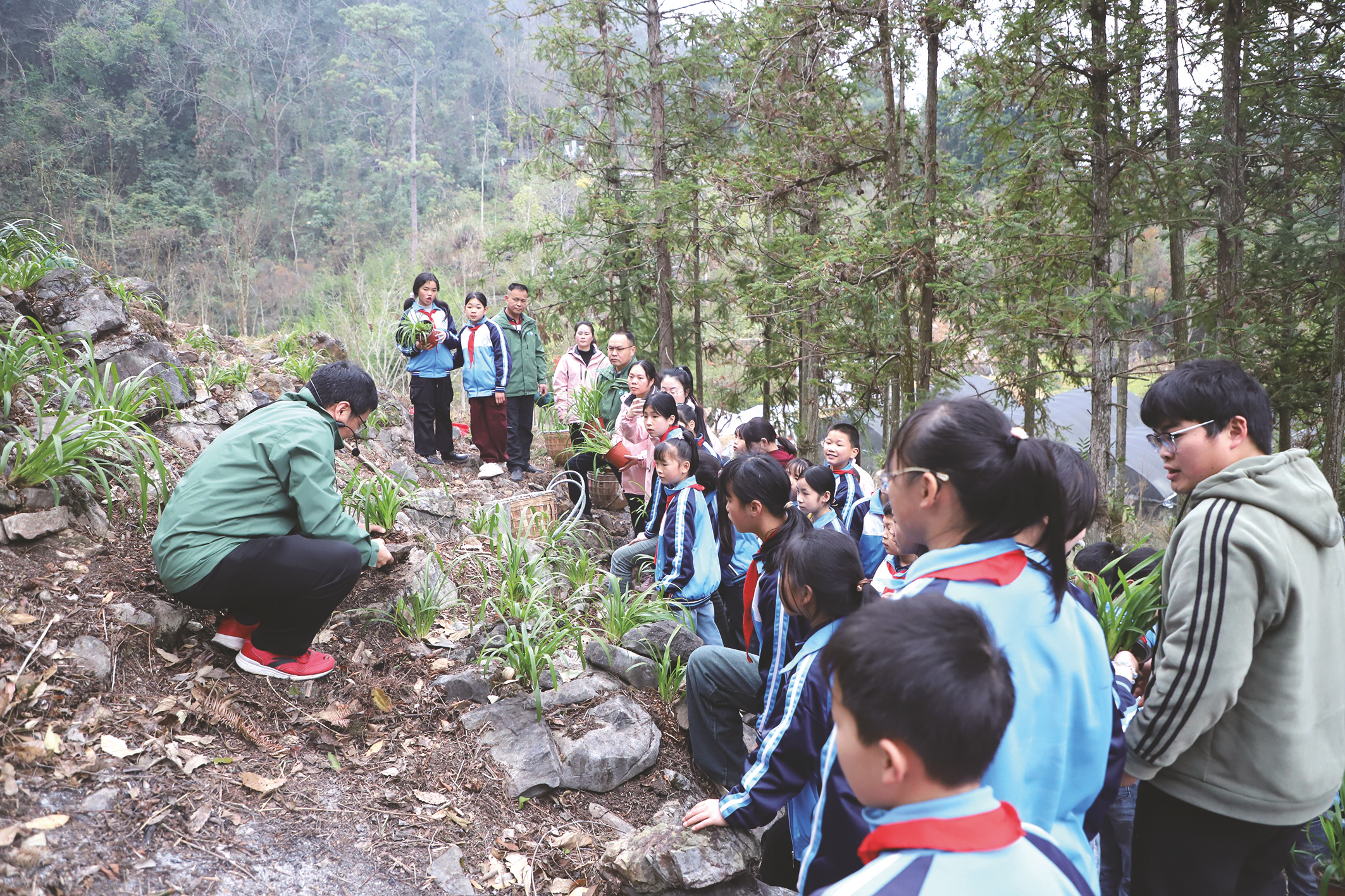
Core Insights - The Yachang Orchid National Nature Reserve is successfully promoting the return of artificially cultivated orchid seedlings to the wild, with over 40,000 seedlings of the nationally protected species, Tibet Tiger Orchid, reintroduced by 2025 [3][4] - The reserve, located in Baise, Guangxi, is recognized as China's first national reserve named after orchid plants and is known as the "Hometown of Chinese Orchids" [3] - The reserve has significantly increased the diversity of orchid species, growing from 44 genera and 115 species in 2004 to 64 genera and 174 species currently [4] Summary by Sections - **Conservation Efforts**: The Yachang Reserve has cultivated over 1.2 million orchid seedlings over the years, successfully returning more than 1 million to the wild, which helps maintain ecological balance in karst regions [4] - **Research and Development**: The reserve has overcome challenges in cultivating 55 species of orchids, with a production capacity of 3 million seedlings per year at its breeding center [3] - **Future Plans**: The reserve aims to enhance its orchid protection and return system while promoting ecological conservation alongside cultural tourism and specialty economic development [4]
“生命方舟”加速完善!“十四五”我国300余种濒危植物野外回归
Yang Shi Xin Wen Ke Hu Duan· 2025-12-05 03:22
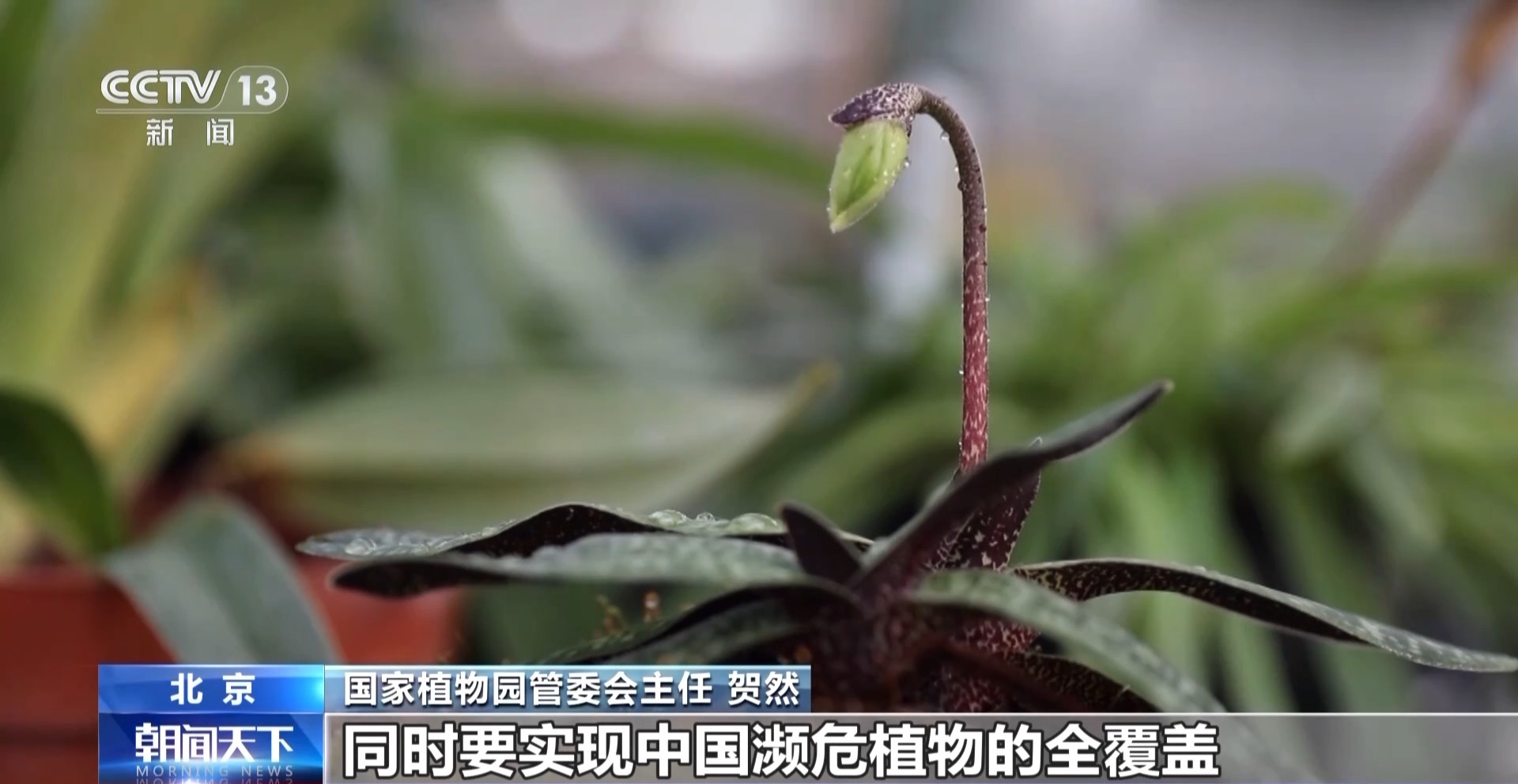
Group 1 - China is one of the countries with the richest plant diversity globally, with 65% of higher plant communities and 80% of nationally protected wild plants effectively protected since the start of the 14th Five-Year Plan [1] - Over 300 endangered plant species, including De Bao Cycas and Dendrobium chrysotoxum, have returned to the wild during this period [1] - Five national parks have been established, protecting 141 species of nationally protected wild plants and creating over 300 conservation points for rare and endangered wild plant habitats [1] Group 2 - The National Botanical Garden has successfully cultivated the rare plant Welwitschia mirabilis, known as a "living fossil," with a complete growth cycle map collected this year [2] - The seed bank is described as a core "safety deposit box" to prevent species extinction, equipped with advanced facilities for long-term and ultra-low temperature storage [3] Group 3 - By 2035, the goal is to collect 30,000 species of plants, achieving full coverage of China's endangered plants [5] - The process of seed collection involves registration, quality testing, and periodic viability checks to ensure the preservation of plant genetic resources [7] Group 4 - The South China National Botanical Garden has completed key projects, including the establishment of a data center and a horticultural science research center, currently housing 12,077 plant species and 987 endangered species [9]
无需种子,在离地数米的枝头生根发芽 高压繁殖法助博罗红豆“延续血脉”
Nan Fang Du Shi Bao· 2025-11-25 23:09
Core Viewpoint - The research team from the South China Botanical Garden is conducting various propagation experiments to save the endangered species, the Boro Red Bean, which has been facing severe survival challenges due to habitat limitations and lack of healthy seeds [11][15][16]. Group 1: Research and Conservation Efforts - The team has initiated high-pressure propagation experiments to cultivate Boro Red Bean branches, which can root and grow without seeds, addressing the species' critical survival situation [11][16]. - The Boro Red Bean is classified as a national second-level protected plant, with fewer than 1,000 individuals remaining and no healthy seeds produced in the last five years [11][15]. - Various propagation methods, including seed germination, cuttings, and grafting, have shown limited success, prompting the team to focus on high-pressure propagation techniques [16][17]. Group 2: Discoveries and Challenges - The discovery of Boro Red Bean's distribution extending beyond its previously known habitat at Xiangtou Mountain to the Nankun Mountain area has raised hopes for its conservation [12][15]. - Despite initial excitement over the discovery, subsequent searches yielded no new seedlings, highlighting the ongoing survival crisis for the species [15][19]. - The team has faced environmental challenges, including severe drought conditions, which have complicated their conservation efforts [17][19]. Group 3: Public Awareness and Policy Support - There has been a growing public awareness and involvement in ecological protection, with citizens actively reporting destructive behaviors [19]. - The Guangdong provincial government has emphasized biodiversity protection in its ecological construction initiatives, providing a supportive framework for conservation efforts [18][19]. - Increased consultations from forestry departments and frequent invitations for educational talks indicate a rising interest in biodiversity conservation [19]. Group 4: Innovative Approaches - The establishment of a research center in Deqing Forest Farm aims to create a micro-ecological chain by interplanting Boro Red Bean with companion plants, enhancing biodiversity [20][21]. - The center's design considers both conservation and economic benefits, allowing for sustainable harvesting of timber while ensuring the protection of plant species [22][23]. - The long-term vision includes creating a landscape where previously endangered species thrive, contributing to both ecological and economic sustainability [22][23].

国家野生植物库辰山中心:种子存量突破一亿粒
Xin Hua She· 2025-11-21 00:46
Core Insights - The Chenshan Center has successfully preserved over 100 million seeds, totaling 114,496,842 seeds from 4,588 collection units, marking a significant achievement in plant conservation efforts [1][3] Group 1: Seed Collection and Preservation - The Chenshan Center has been systematically collecting and preserving seeds since September 2017, covering 17 provinces, 45 cities, and 100 counties across China [3] - The preserved seeds include 1,950 species from 159 families and 785 genera, with 323 species being endemic to China and 68 species classified as rare or endangered [3][4] Group 2: Importance of Ex Situ Conservation - Ex situ conservation, which includes the establishment of seed banks, is essential for maintaining the genetic diversity of plant species, complementing in situ conservation efforts [3][4] - The core value of ex situ conservation is to preserve the genetic diversity of wild plants for future restoration, research, and utilization [4] Group 3: Seed Bank Technology and Practices - The seed bank utilizes low-temperature drying technology, which is considered the most cost-effective strategy for preserving wild plant genetic resources [4] - Not all mature seeds can be stored in seed banks; only "normal seeds" that meet specific criteria can enter long-term storage after a thorough processing and quality check [6] Group 4: Public Engagement and Education - The Chenshan Center has been actively conducting various seed-related educational activities and exhibitions, successfully blending science with aesthetics to engage the public [6]
国家植物种质资源库封顶,第一批种子预计明年入库
Xin Jing Bao· 2025-11-20 02:16
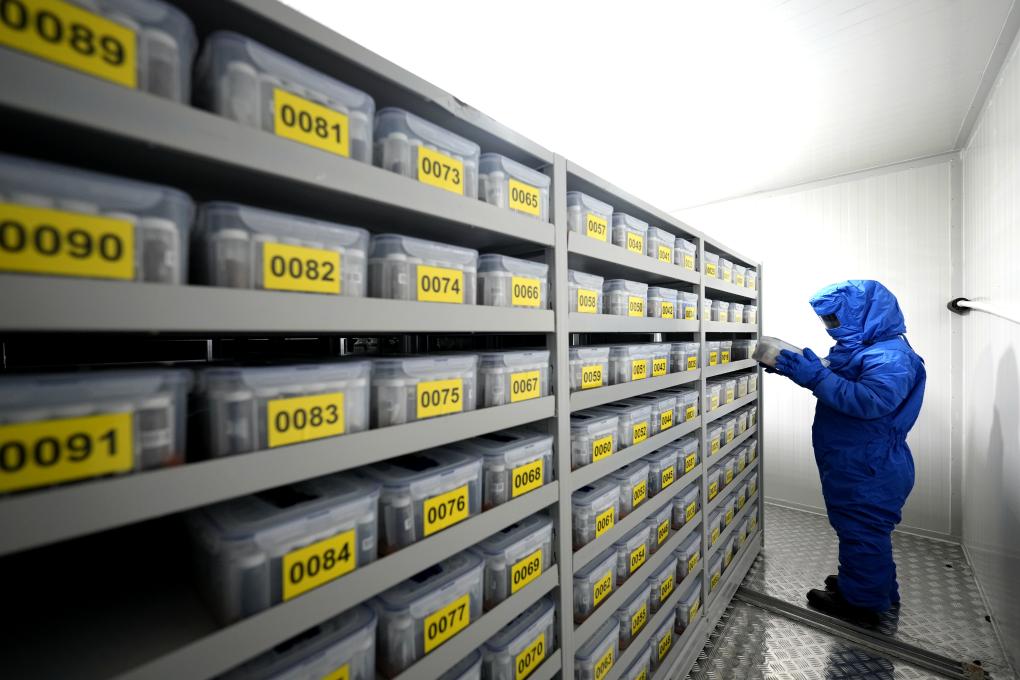
Core Insights - The National Plant Germplasm Resource Bank project has reached a significant milestone with the completion of its main structure, marking substantial progress towards its planned operation in 2026 when the first batch of seeds will be stored [1] Group 1: Project Overview - The National Plant Germplasm Resource Bank will cover over 70,000 plant germplasm resources, amounting to approximately 2 million samples, ensuring comprehensive coverage of China's rare and endangered plants [2] - The facility will include various types of plant resources such as seeds, tissue culture seedlings, DNA, live plants, pollen, spores, and plant tissues, and will feature automated and manual storage, ultra-low temperature storage, and areas for data management, research, and public exhibition [2][3] Group 2: Research and Conservation Impact - The establishment of the resource bank is expected to significantly enhance China's capacity for plant germplasm preservation and research, contributing to biodiversity protection, national ecological security, and technological innovation in related fields [3] - The resource bank will focus on in-depth research into plant diversity, including systematics, ecology, genetics, and population dynamics, providing scientific basis for the effective protection of endangered species [3] Group 3: Current Status and Future Plans - Currently, the National Plant Garden has collected nearly 10,000 germplasm resources, covering 163 families, 736 genera, and 1,783 species/subspecies, including over 50 rare and endangered species [4] - The collected germplasm resources are being managed in a preparatory bank, with plans for the first batch of seeds to be stored upon the facility's operation in 2026 [4]
每日科普|濒危植物为何常见?
Ren Min Ri Bao· 2025-06-12 09:18
Group 1 - The core viewpoint is that over 100 endangered wild plant species in China are under rescue protection, with artificial breeding being a key method for their conservation [1][2] - Common endangered plants like Taxus chinensis, Ginkgo biloba, and Metasequoia glyptostroboides are often found in urban areas, but they are artificially bred rather than naturally reproduced due to their limited wild populations [1] - Successful artificial breeding has been achieved for several endangered plants, allowing for the establishment of larger artificial populations that contribute to ecological and landscape functions [1] Group 2 - Despite the establishment of large artificial populations, endangered plants like Ginkgo and Metasequoia still face extinction risks due to limited wild distribution and genetic diversity [2] - The government has included endangered plants in key protection lists to safeguard both the plants and their ecosystems, recognizing that artificial breeding alone is insufficient for their protection [2] - Various methods are employed for the conservation of endangered plants, including seed collection for seed banks, ex-situ conservation of wild individuals, and the establishment of protected areas [2]