海上航运

Search documents
福建多举措应对寒潮天气 福州马尾至马祖“小三通”航线持续停航
Xin Lang Cai Jing· 2026-01-21 14:27
Core Viewpoint - The "Mini Three Links" passenger ferry route from Mawei, Fuzhou to Matsu will continue to suspend operations due to cold wave weather, marking three consecutive days of suspension [1] Group 1: Weather Impact - A low-temperature warning was issued by the Fujian Meteorological Station, indicating that certain areas in Nanping, Sanming, Ningde, and Longyan may experience minimum temperatures between -3 to 0°C, with potential for ice formation [1] - The prolonged cold weather is expected to adversely affect maritime shipping, coastal tourism, and fisheries [1] Group 2: Operational Adjustments - The Fuzhou Port passenger station announced the continued suspension of the ferry route due to poor sea conditions [1] - The Fujian region has four "Mini Three Links" passenger ferry routes, including Fuzhou to Matsu, Fuzhou to Huangqi, Quanzhou to Kinmen, and Xiamen to Kinmen [1] Group 3: Response Measures - The Xiamen Maritime Safety Administration is enhancing collaboration with meteorological and oceanic departments to monitor the cold wave's path and intensity, providing timely warnings to shipping companies and vessels [1] - The China Railway Nanchang Bureau Group is implementing multiple measures, including adjusting train operation plans and increasing equipment inspection frequency, to ensure smooth travel for passengers [1]
气象学者魏科:我们已经身处危机时代,而不是在讨论一个遥远的未来
经济观察报· 2025-08-06 13:47
Core Viewpoint - Climate extremization has become a norm, with global warming leading to intensified rainfall and drought conditions in specific regions, resulting in sudden shifts between drought and flooding [1][3][8]. Group 1: Extreme Weather Events - Recent years have seen a significant increase in extreme weather events globally, with high temperatures, floods, and storms becoming more frequent and intense [5][6]. - In July, the average temperature in Henan Province reached 30.5°C, 3.2°C higher than the historical average, marking the hottest period in 64 years [2]. - Northern China experienced above-average rainfall, with Inner Mongolia recording the highest precipitation for this period since 1961 [2][3]. Group 2: Impact on Agriculture - Extreme weather is adversely affecting major grain-producing areas in China, with high temperatures and heavy rainfall impacting crop growth and increasing irrigation costs [3][14]. - The growth of winter wheat is particularly vulnerable to insufficient low-temperature periods, which can lead to premature ear formation and reduced yields [15]. - High temperatures can cause corn leaves to curl, affecting photosynthesis and increasing water requirements, thus raising irrigation costs for farmers [15]. Group 3: Future Projections and Preparedness - The ongoing climate crisis requires urgent action, with a need for five times the current effort to effectively address climate challenges [11]. - Transitioning to green renewable energy is essential, despite the associated costs, as it presents significant industrial opportunities while mitigating future disaster losses [11]. - The upcoming weather patterns indicate that northern regions may continue to face flooding, while southern areas will experience heightened drought conditions [12]. Group 4: Economic Implications - The volatility of agricultural prices due to extreme weather events is expected to persist, with "weather-related price hikes" becoming more common [16]. - Developing countries may be disproportionately affected by extreme climate events, leading to potential resource conflicts and social instability [17]. - Industries related to agriculture may need to adapt their insurance models and financial tools to better manage the risks associated with climate change [18]. Group 5: Urban Planning and Infrastructure - The concept of sponge cities is being emphasized, but their capacity to handle extreme rainfall is limited, necessitating additional strategies for flood management [19][20]. - Urban planning must evolve to incorporate designs that can effectively manage high temperatures and heavy rainfall, ensuring resilience against climate impacts [18][20].

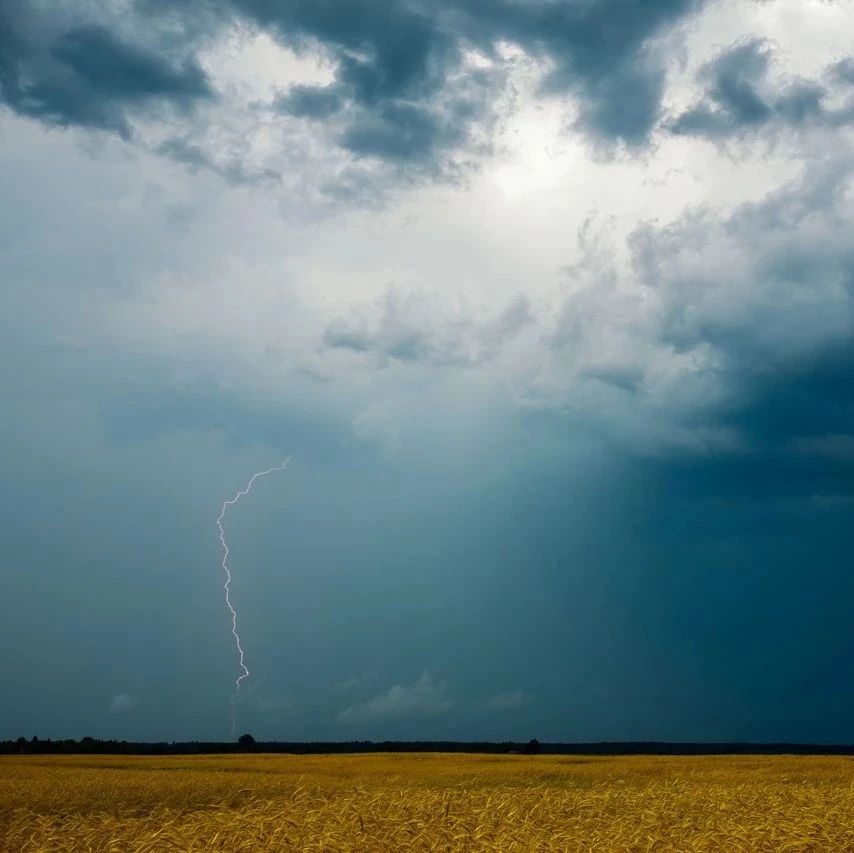
气象学者魏科:我们已经身处危机时代,而不是在讨论一个遥远的未来
Jing Ji Guan Cha Wang· 2025-08-06 12:12
Group 1: Climate Change and Extreme Weather - Extreme weather events have become a norm, with global warming leading to more severe droughts and floods in specific regions [3][6][7] - The frequency of extreme weather events has significantly increased, with a notable rise in climate-related disasters over the past two decades [4][5] - China is particularly vulnerable to climate change due to its vast territory and complex geography, experiencing a higher rate of warming and natural disasters compared to the global average [5][6] Group 2: Agricultural Impact - Extreme weather is adversely affecting major grain-producing areas in China, with high temperatures and heavy rainfall impacting crop growth and increasing irrigation costs [3][13] - The growth of winter wheat is particularly sensitive to low-temperature periods, and insufficient cold weather can severely affect yields [13] - High temperatures can lead to increased water requirements for crops, further raising costs for farmers [13][15] Group 3: Preparedness and Response - Current preparations for climate change impacts are inadequate, with a significant gap between global carbon emissions and climate goals [9][10] - There is a need for a substantial increase in efforts to transition to renewable energy and improve agricultural infrastructure to adapt to extreme weather [10][16] - Agricultural companies must optimize crop varieties to withstand changing climate conditions, such as developing heat-resistant strains [15] Group 4: Economic Implications - Extreme weather events are likely to cause fluctuations in agricultural product prices, with "weather-related price hikes" becoming more common [17] - The impact of extreme weather on agriculture may necessitate new financial tools for insurance, including adjustments to disaster insurance designs [19] - Other industries, such as renewable energy and urban planning, will also need to adapt to the challenges posed by extreme weather [19][20]