
游戏买量

Search documents
买量金融学(二):AI投放就能“稳赚不赔”?
Hu Xiu· 2025-10-23 05:13
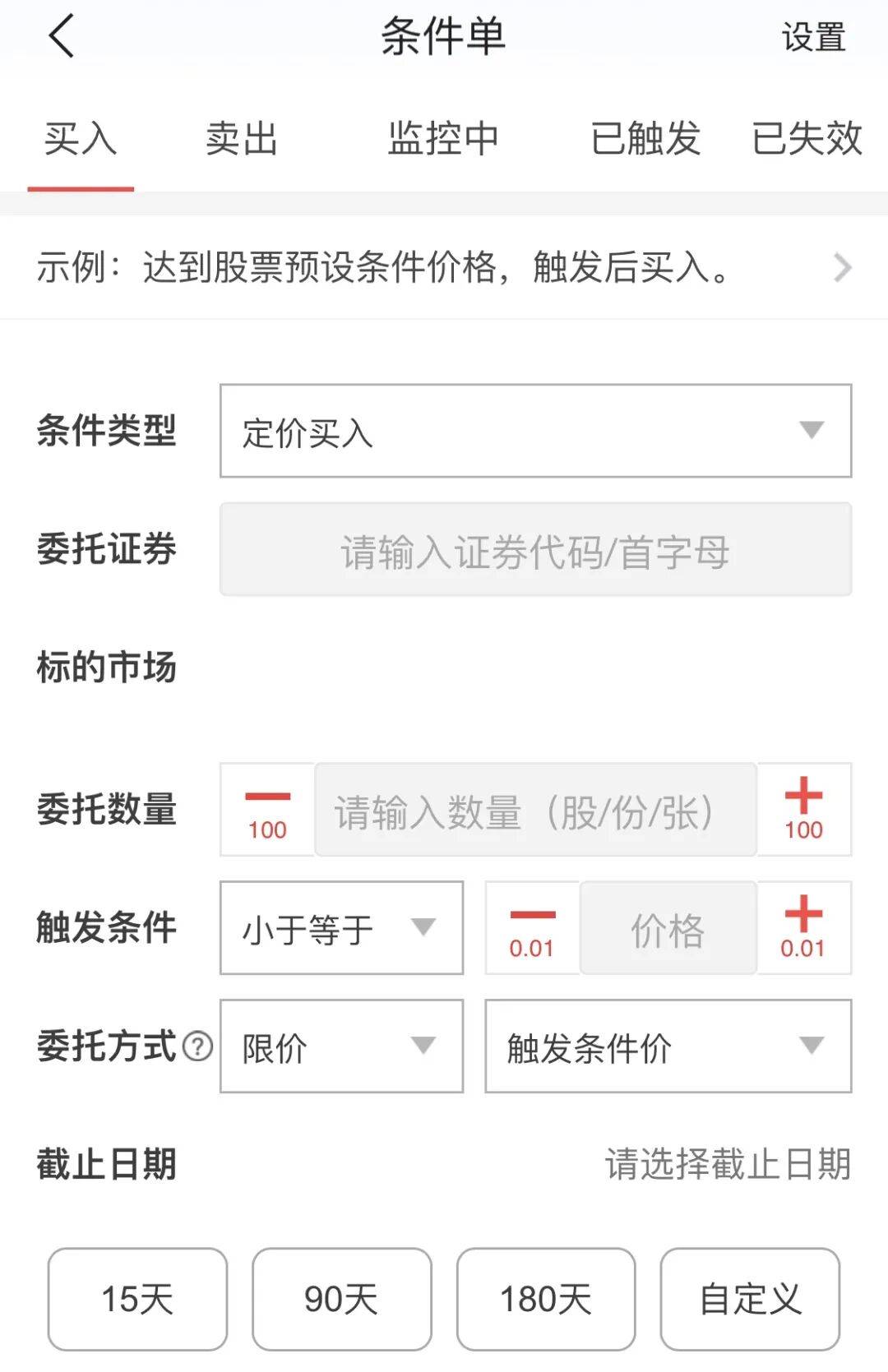
Group 1 - The term "AI advertising" is a polished phrase that essentially refers to a set of layered rules, with algorithm engineers earning significantly more than media buyers, indicating that cost efficiency is crucial for job security [1] - Platforms have the strongest motivation to engage in AI advertising due to low marginal costs, and successful implementation can yield substantial returns; however, external parties must continuously adapt to changing algorithms, making cost control challenging [1] - Large clients can develop automated advertising systems to enhance efficiency, but the operational costs of such systems can be high; smaller companies can perform bulk publishing and data extraction, with external purchases becoming cheaper over the years [1] Group 2 - Quantitative trading has been recognized in China since the popularity of DeepSeek, and it has a long history dating back to the establishment of the first quantitative fund in 1969 [3][4] - Every investment institution now has its own quantitative trading system, and retail investors can access these systems through stock trading apps [5][6] - Basic examples of quantitative trading include setting conditions for stock purchases based on price thresholds, which parallels the rules used in advertising systems [7] Group 3 - The core characteristics of quantitative trading include being data-driven, utilizing mathematical models, enabling programmatic trading, and incorporating risk control mechanisms [13][14][15][16] - In the advertising market, platforms are the dominant players, while other participants are akin to retail investors; platforms can easily alter algorithms, rendering retail strategies ineffective [19][20] - Retail investors lack access to comprehensive data compared to platforms, making it difficult to create precise data models, leading to potential failures in their advertising strategies [22] Group 4 - Quantitative trading is not infallible; many quantitative firms have failed due to high leverage, unexpected market events, and outdated rules [23][27] - The advantages of quantitative trading include labor liberation and emotional bias reduction, but it can also lead to significant losses if not managed properly [24][25] - In China, hundreds of quantitative firms fail annually, highlighting the risks associated with this trading strategy [28] Group 5 - The ideal scenario for AI advertising involves a combination of human strategy and AI-driven data analysis to optimize advertising efforts, but this remains a theoretical concept [41][44] - The low marginal costs associated with AI advertising favor large platforms, which can invest unlimited resources, making it difficult for smaller players to compete [44] - Even with advancements in AI, the role of media buyers will remain crucial, requiring them to possess a deep understanding of algorithms, market trends, and user preferences [46][47] Group 6 - The average income of top quantitative traders in the U.S. is significantly high, indicating that top talent is drawn to finance rather than advertising [49] - The differences between domestic and international quantitative strategies are substantial, with the Chinese market exhibiting higher volatility and trading frequency [51][52] - The challenges of applying U.S. quantitative strategies in China are compounded by the unique characteristics of the Chinese market, which can lead to significant losses if not adapted properly [53]

买量金融学:如何做一份“大概率失败”的工作?
Hu Xiu· 2025-10-22 07:11
Core Insights - The article discusses the perceived simplicity and low technical barrier of the buying volume industry, comparing it to stock trading, where both require minimal actions to potentially earn significant returns [1][6][12] - It highlights the common misconception that roles in finance and buying volume lack complexity, leading to a public perception that anyone can perform these jobs successfully [13][14][15] - The article draws parallels between fund managers and buying volume personnel, emphasizing that both manage large sums of money and face similar public scrutiny regarding their performance [12][24] Industry Analysis - The entry barrier for both finance and buying volume roles has significantly decreased, allowing many individuals to enter these fields quickly [13][14] - The performance of fund managers has fluctuated, with notable figures experiencing both acclaim and criticism based on market conditions, reflecting the volatile nature of investment success [18][20][28] - The article notes that the success rate of professional investors is often below 50%, with some top fund managers achieving only a 40% success rate in stock selection [25][27] Professional Development - Continuous learning in financial knowledge and buying volume strategies is essential to reduce decision-making errors, although it may not guarantee wealth [30][36] - Building trust and credibility within the industry is crucial for market professionals, as they often face skepticism and pressure from others who may not understand the market dynamics [39][40] - The article suggests that market workers should negotiate higher salaries to compensate for the high likelihood of facing criticism and doubt in their roles [34]