
滑雪产业

Search documents
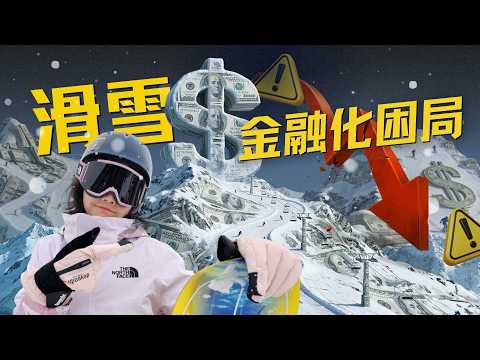
滑雪金融化困局:“天才商业模式”通票的变革与反噬
硅谷101· 2026-03-18 03:37
今年雪季,大家有没有发现滑雪越来越贵了?在美国,热门雪场的单日票价甚至已经超过了300美元,但为什么雪场巨头Vail的股价却一路下滑? 这个反常现象的背后,是一套运行了将近20年的“滑雪通票”商业模式,正在走到它的转折点。这个曾经被华尔街奉为教科书的案例,如今却面临着:过度拥挤、体验下降、经营成本飙升的困境。为了讲清楚这个故事,我们花了一整个雪季,跨越美国东西海岸,走访了多个雪场,试图拆解这张滑雪通票背后的商业逻辑与文化张力。 就算你从来没有滑过雪,这期关于“订阅制”的故事也值得观看。当一个商业模式成功到极致之后,会发生什么?在越来越“精英化”的趋势下,普通人还能拥有滑雪自由吗? 你会看到: 00:00 日票超300美元,滑雪场却没有赚的更多? 01:26 黑天鹅事件?美国雪场有史以来最惨淡的一年 02:53 商业天才:雪场通票如何改变滑雪产业 07:13 通票销量降低:Vail增长神话的第一次松动 08:38 旗舰雪场的体验反噬:人多导致“无限滑”变成“无限等” 11:49 收购容易运营难:跨地区雪场的玩法差异 14:56 竞争加剧:强劲的对手与不可替代的中小雪场 17:10 垄断、寡头与竞争:Vail和A ...

中国大众滑雪30年
Ren Min Ri Bao Hai Wai Ban· 2026-01-13 22:49
Core Insights - The development of China's skiing industry has evolved from a niche activity to a widespread public interest, significantly influenced by the Beijing 2022 Winter Olympics and supportive government policies [9][20][22] Industry Development - The first major ski resort aimed at the public, Yabuli Windmill Mountain Villa, opened in 1995, marking a milestone in China's skiing history [15] - The number of ski resorts has increased significantly since the early 2000s, with urban ski resorts becoming popular weekend destinations [16] - By 2024, the total consumption in ski resorts is projected to reach 78.613 billion yuan, with a 27.97% increase in spending within a two-kilometer radius of ski resorts [10] Infrastructure and Participation - As of 2024, there are 2,678 ice and snow sports venues in China, with a notable increase in facilities in southern regions [9][10] - The establishment of indoor ski resorts in cities like Shenzhen has made skiing accessible to a broader audience, catering to urban populations with high demand for ice and snow experiences [12] Economic Impact - The ice and snow economy has become a significant growth driver for local economies, with indoor ski resorts attracting over 70,000 visitors and generating over 10 million yuan in revenue during peak periods [12] - The number of companies in the ice and snow equipment manufacturing sector has grown from approximately 300 in 2015 to around 900 in 2023, with sales revenue increasing from less than 5 billion yuan to about 22 billion yuan [13] Cultural Shift - The perception of skiing has shifted from a risky hobby to a popular recreational activity, with increased participation and safety awareness among the public [9][10] - The integration of skiing into daily life reflects a broader cultural acceptance and enthusiasm for winter sports in China [14][20]
日本雪场数量减少 外国游客“撑场面”
Xin Hua She· 2026-01-05 06:12
Core Insights - Japan's ski industry is facing a decline in the number of ski resorts due to global warming, aging facilities, and a decrease in domestic visitors, with foreign tourists becoming the mainstay of the industry [1][2] Group 1: Ski Resort Statistics - The number of ski resorts in Japan peaked at 698 in 1999 and has been decreasing annually, projected to drop to 417 by 2025, marking a historical low [1] - Hokkaido has the highest number of ski resorts at 92, followed by Nagano Prefecture with 80 and Niigata Prefecture with 46 [1] - The number of people skiing in Japan has drastically decreased from 18.6 million in 1993 to an estimated 2.8 million in 2024 [1] Group 2: Impact of Climate Change and Demographics - Climate change has led to insufficient snowfall, increasing operational costs, and a reduction in the number of operating days for ski resorts [1] - The aging population and declining birth rates in Japan, along with the diversification of interests among younger generations, contribute to the decreasing interest in skiing [1] Group 3: Foreign Tourist Influence - Foreign tourists have become a significant source of revenue for Japan's ski industry, with an expected 10.5 million visitors from December 2024 to February 2025, a 33% increase from 7.9 million in the same period in 2018 [2] - Popular ski resorts among foreign tourists include Niseko in Hokkaido and Hakuba in Nagano, with nearly half of the tourists visiting Niseko [2] - Smaller, less-known ski resorts are struggling and closing due to a lack of visitors, while high-end resorts are adapting by hiring English-speaking staff to cater to foreign tourists [2]
滑雪产业升级,如何跨越雪崩困扰?
Xin Hua She· 2025-12-26 07:59
Core Viewpoint - The article discusses the risks associated with avalanche incidents in China's emerging high-quality ski resorts, particularly focusing on the recent avalanche at the He Mu Ji Ke Pu Lin ski resort, highlighting the need for awareness and safety measures in the skiing community [1]. Group 1: Avalanche Risks in Skiing - The He Mu Ji Ke Pu Lin ski resort, characterized by its significant vertical drop and natural snowfall, represents a new type of ski area in China, known as "big mountain" ski resorts, which are typically found in established international locations [2]. - Avalanches are more likely to occur on slopes with angles between 27 and 40 degrees, which are favored by advanced skiers and are common in high-end ski resorts [2]. - Increased human activity in mountainous areas, such as skiing, raises the risk of triggering avalanches due to disturbances [2]. Group 2: Safety Regulations and Practices - Skiers must adhere to safety guidelines, including avoiding avalanche risk zones and possessing adequate skills and emergency equipment when skiing outside designated areas [4]. - The incident at the He Mu Ji Ke Pu Lin ski resort was exacerbated by skiers entering restricted areas and lacking necessary avalanche safety equipment, which complicated rescue efforts [4][6]. - There is a significant gap between existing safety regulations and the actual practices of skiers, with many lacking the necessary preparation and knowledge to navigate high-risk areas safely [5][6]. Group 3: Cultural and Educational Aspects - The culture surrounding skiing in China often encourages risky behavior, with social media amplifying the allure of skiing in dangerous areas, necessitating a shift towards responsible skiing practices through education [7][8]. - Training programs aimed at increasing avalanche awareness and safety skills are being developed, with some individuals already receiving professional training to enhance public knowledge about avalanche safety [8]. - The establishment of a responsible skiing culture is essential to mitigate risks, emphasizing the importance of education and community engagement in promoting safe skiing practices [8]. Group 4: Avalanche Control Measures - Improving avalanche control capabilities is crucial for ski resorts to balance skier demand with safety, particularly in areas prone to heavy snowfall [9][10]. - Current methods for avalanche risk management at the He Mu Ji Ke Pu Lin resort rely heavily on manual triggering of avalanches, which is inefficient and dangerous [10]. - Experts advocate for the implementation of advanced monitoring and rapid response systems for avalanche prediction and management, similar to those in established ski regions in North America [11][12].
夏季滑雪打造淡季热潮
Jing Ji Ri Bao· 2025-09-06 22:13
Core Viewpoint - The summer tourism market has seen a surge in demand for off-season snow activities, driven by innovative technologies and changing consumer preferences, leading to a significant shift in the ice and snow economy [1][3]. Group 1: Supply Side Analysis - Many ice and snow project operators are actively exploring off-season operations to optimize resource allocation and enhance profitability [1][2]. - The operational costs for large ski resorts often exceed 100 million yuan annually, with a typical operational period of only 3 to 5 months, leading to high idle rates during the off-season [2]. - Ski resorts in northern China are leveraging existing mountain resources to develop summer recreational activities, such as flower viewing and camping, to attract visitors year-round [2]. Group 2: Demand Side Analysis - The increasing frequency of high temperatures due to global warming has intensified the demand for cool summer experiences, making "summer snow play" a popular trend among consumers [3]. - The contrast between hot summer days and cool snow environments creates a compelling experience that resonates well on social media, particularly among younger audiences [3]. - Families are increasingly interested in combining summer cooling experiences with activities like camping and educational trips, further driving demand for off-season snow activities [3]. Group 3: Policy and Market Dynamics - Supportive policies from central and local governments are stimulating the ice and snow economy, encouraging the integration of cultural, commercial, and tourism sectors [3][4]. - Innovations such as indoor ski resorts and themed snow shows are emerging, enhancing the consumer experience and driving growth in related sectors like hospitality and dining [3]. - The collaboration between traditional and modern snow sports technologies is essential for improving resource allocation efficiency and maximizing consumer potential in the ice and snow economy [4].