
演唱会产业

Search documents
香港抓住演唱会经济
21世纪经济报道· 2025-10-22 05:32
Core Viewpoint - The concert economy in Hong Kong is thriving, driven by a combination of local and international artists, creating significant economic benefits and showcasing the city's cultural soft power [2][4][12]. Group 1: Concert Market Dynamics - The concert market in Hong Kong has seen a surge in demand, with tickets for major events selling out quickly, indicating a robust audience interest [1][2]. - The Hong Kong Cultural, Sports and Tourism Bureau reported that over 285 large concerts will be held from 2024 to the first half of 2025, attracting more than 3.9 million attendees, including over 1.4 million tourists, generating approximately HKD 3.4 billion in consumer spending [2][9]. - The opening of the Kai Tak Sports Park, which can accommodate around 50,000 spectators, enhances Hong Kong's capacity to host large-scale international concerts, addressing previous venue limitations [6][8]. Group 2: Cultural and Economic Impact - The concert industry in Hong Kong has established a high standard of production quality and audience engagement, making it a benchmark for live performances in the Chinese-speaking world [4][6]. - Concerts not only boost local tourism but also contribute to the economy by increasing hotel prices during major events, with rates rising by 20% to 50% [15]. - The government aims to solidify Hong Kong's status as a cultural hub by promoting more diverse and innovative cultural events, which could further enhance the local economy [17][18]. Group 3: Enhancing Audience Experience - Suggestions have been made to extend concert end times to improve the overall experience for attendees, potentially increasing post-concert spending in the area [11][12]. - Initiatives like "Concert Night Extravaganza" could provide additional attractions such as food and shopping markets after concerts, encouraging visitors to stay longer and explore the city [12][13]. - The integration of concert-related merchandise and collaborations with local brands can enhance the cultural impact and commercial value of events, particularly among younger audiences [15][16]. Group 4: Competitive Landscape - Other Asian cities, such as Singapore and Bangkok, are actively competing for the title of "Concert Capital," with governments providing financial incentives to attract major artists [17][18]. - Legislative suggestions have been made to lower taxes on event-related activities and streamline approval processes to enhance Hong Kong's competitiveness in hosting large-scale events [17][18].


香港抓住“演唱会经济”
2 1 Shi Ji Jing Ji Bao Dao· 2025-10-21 23:57
Core Insights - The concert industry in Hong Kong is thriving, with a significant increase in demand for tickets and a growing number of international and local artists choosing Hong Kong as a key stop on their tours [1][2][3] Group 1: Concert Industry Growth - The concert market in Hong Kong has become a vital driver of cultural tourism, attracting over 3.9 million attendees and generating approximately HKD 3.4 billion in consumer spending during the first half of 2024 to 2025 [2][6] - The recent concert by Hong Kong stars Alan Tam and Sally Yeh marked their first joint performance in 27 years, highlighting the enduring appeal of local artists [1][3] Group 2: Venue Development - The opening of Kai Tak Sports Park, which can accommodate around 50,000 spectators, has significantly enhanced Hong Kong's capacity to host large-scale international concerts, alleviating the ticket scarcity issue faced at traditional venues [4][5] - The Hong Kong Coliseum, a historic venue, has been a benchmark for measuring an artist's popularity and has hosted numerous record-breaking performances since its establishment in 1983 [3][4] Group 3: Economic Impact - The concert economy is contributing to local economic growth, with a notable increase in hotel prices during concert events, rising by 20% to 50% compared to regular rates [10] - The Hong Kong government is encouraged to create integrated tourism products that combine concerts with hotel and dining experiences to enhance visitor engagement and spending [10][11] Group 4: Future Opportunities - There is potential for Hong Kong to further establish itself as a cultural hub by hosting diverse events in unique urban spaces, thereby attracting global talent and tourists [8][12] - The government is considering tax incentives and streamlined approval processes to enhance the competitiveness of Hong Kong's event industry against other Asian cities [12]
从“一票难求”到“城市舞台” 香港如何抓住“演唱会经济”的流量密码
2 1 Shi Ji Jing Ji Bao Dao· 2025-10-21 23:16
Core Insights - The concert industry in Hong Kong is thriving, with a significant increase in demand for tickets and a growing number of international and local artists choosing Hong Kong as a key stop on their tours [1][2][3] - The "concert economy" is becoming an important driver of cultural tourism consumption, contributing approximately 3.4 billion HKD to the local economy from over 390,000 attendees, including 1.4 million tourists, during the first half of 2024 to 2025 [2][3] Concert Industry Overview - The Hong Kong concert industry began its rise with the opening of the Hong Kong Coliseum in 1983, which set a high standard for large-scale performances and became a benchmark for measuring an artist's popularity [3][4] - A mature production process and a skilled talent pool have developed in Hong Kong, ensuring high-quality performances and a strong reputation in the industry [3][4] Venue Development - The Kai Tak Sports Park, opened in March 2023, is the largest sports infrastructure project in Hong Kong, capable of accommodating around 50,000 spectators, which enhances the city's ability to host large-scale international concerts [4][5] - Major venues for concerts in Hong Kong include the Kai Tak Sports Park, AsiaWorld-Expo, and the Hong Kong Coliseum, with significant audience numbers reported for these venues [7] Economic Impact - The concert industry has led to increased hotel prices during major events, with rates rising by 20% to 50% compared to regular days [11] - The Hong Kong government is encouraged to create integrated tourism products that combine concerts with hotel and dining services to enhance visitor experiences [11][12] Future Prospects - Upcoming major concerts, including performances by international artists like Blackpink and local stars, are expected to continue driving the concert economy in Hong Kong [10][12] - Suggestions have been made to extend concert end times to enhance the overall experience and encourage visitors to stay longer, thereby increasing local spending [9][10] Competitive Landscape - Other Asian cities, such as Singapore and Bangkok, are also positioning themselves as competitive hubs for international concerts, with government support for major events [13][14] - Recommendations for Hong Kong include exploring tax incentives for event organizers and streamlining approval processes to maintain its competitive edge in the concert industry [13][14]
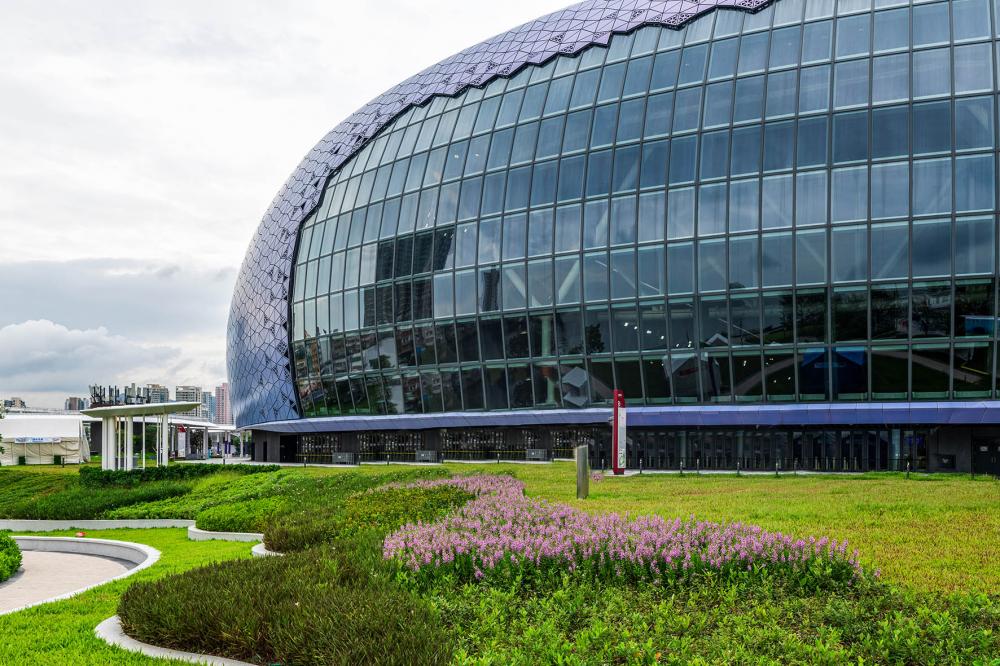
从一票难求到盛事之都,香港如何抓住“演唱会经济”的流量密码
2 1 Shi Ji Jing Ji Bao Dao· 2025-10-21 11:50
Core Insights - The resurgence of concert attendance in Hong Kong has become a fashionable choice, with many international and local artists selecting Hong Kong as a key stop for their tours, reflecting the city's cultural "soft power" and economic benefits [2][3][5]. Concert Industry Dynamics - The concert industry in Hong Kong is characterized by a rich history and a unique "soft power" that includes high industry standards, a strong audience base, and a pool of top-tier talent [2][3]. - The Hong Kong Coliseum, established in 1983, has become a benchmark for measuring an artist's popularity and has laid the foundation for a large-scale concert industry [3][5]. - The opening of the Kai Tak Sports Park has significantly enhanced Hong Kong's capacity to host large-scale concerts, accommodating up to 50,000 attendees, thus alleviating the ticket scarcity issue faced by traditional venues [5][6]. Economic Impact - The concert economy is a vital driver of cultural tourism in Hong Kong, with over 285 large concerts expected to attract more than 3.9 million attendees, generating approximately HKD 3.4 billion in consumer spending [2][3]. - The influx of concert-goers, including over 1.4 million travelers, contributes significantly to local economic growth [2]. Audience Engagement and Experience - The audience for concerts in Hong Kong is increasingly diverse, with over 50% of attendees at the Kai Tak Sports Park coming from mainland China and overseas [6]. - Enhancing the concert experience is crucial for maximizing economic benefits, with suggestions to extend concert end times and create surrounding events to encourage longer stays [9][11]. Future Developments - Upcoming major concerts, including performances by international artists like Blackpink, are expected to sustain the momentum of Hong Kong's concert scene [10][12]. - The government is encouraged to explore tax incentives and streamline approval processes for events to maintain Hong Kong's competitive edge against other Asian cities [14].