
自然资源执法

Search documents
法治经纬|科技赋能强监管 全民共治筑防线——江苏常州经开区分局自然资源执法创新实践
Zhong Guo Zi Ran Zi Yuan Bao· 2026-02-27 02:28
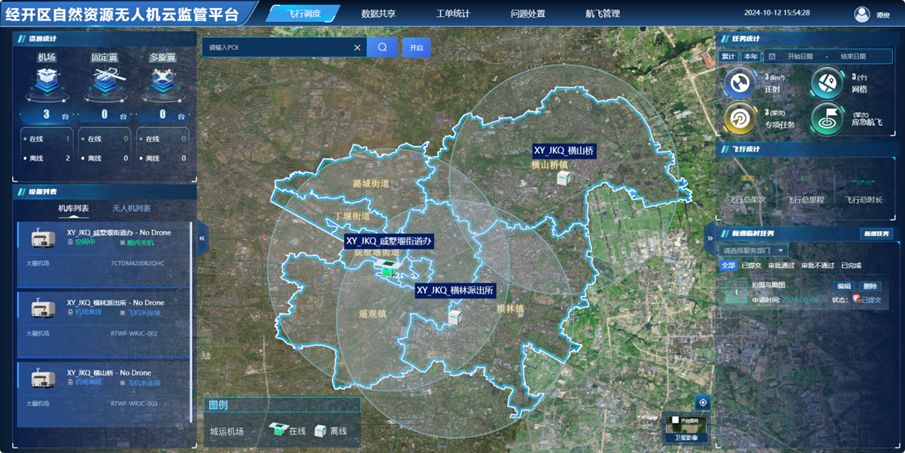
Core Viewpoint - The integration of drone technology into land enforcement has significantly transformed the efficiency and effectiveness of monitoring illegal land use, shifting from traditional methods to a more proactive and comprehensive approach [1][4]. Group 1: Technological Advancements - The use of drones allows for real-time monitoring and immediate identification of illegal land use, enhancing the overall enforcement capabilities [1][3]. - A dynamic drone patrol system has been established, with differentiated flight frequencies based on the regulatory needs of various areas, ensuring comprehensive coverage and precise identification of violations [4]. Group 2: Community Involvement - The introduction of a reward system for public reporting of land violations has increased community engagement in land protection efforts, fostering a culture of vigilance among residents [6][7]. - A network combining grid workers and local citizens has been created to ensure thorough monitoring and reporting of illegal land use, enhancing the effectiveness of enforcement actions [6][7]. Group 3: Enforcement Outcomes - The drone patrols have led to the identification of 153 new illegal land use cases, covering an area of 311.54 acres, all of which have been addressed through a closed-loop management process [4]. - The establishment of a feedback mechanism for reported violations ensures timely responses and reinforces accountability in land management practices [7].

法治经纬|从“事后查处”到“全程护航 ” ——看广州从化持续提升自然资源执法能力的探索与实践
Zhong Guo Zi Ran Zi Yuan Bao· 2026-02-26 03:13
Core Viewpoint - The Guangzhou Planning and Natural Resources Bureau's Conghua District has shifted from a traditional "post-event investigation" model to a proactive approach of "service first, integrated law enforcement," achieving a balance between resource protection and development [1][8]. Group 1: Proactive Service - The Conghua District has implemented a proactive service model by engaging with major construction projects early in the planning phase, providing policy guidance to help businesses avoid risks and navigate legal requirements [3][4]. - Law enforcement personnel actively visit project sites with planning documents to clarify legal land and mineral use requirements, marking ecological protection zones and permanent basic farmland to ensure compliance from the outset [3][4]. Group 2: Problem-Solving and Support - The district has adopted a "one-stop case handling" approach, resolving historical illegal land use issues swiftly, with some cases being resolved in as little as 15 days, thereby facilitating the completion of land use procedures [5][6]. - A specialized task force has been established to address significant illegal land use cases, customizing solutions for each case and coordinating with various departments to resolve complex issues [5][6]. Group 3: Long-Term Capacity Building - The Conghua District conducts regular training sessions for local officials to enhance their understanding of land protection laws and improve their enforcement capabilities, fostering a culture of compliance and awareness [7][8]. - Continuous internal training for law enforcement personnel focuses on practical case studies and procedural knowledge, enhancing their legal reasoning and operational effectiveness [7][8].
甘肃白银局:强化行刑衔接 凝聚执法合力
Zhong Guo Zi Ran Zi Yuan Bao· 2026-02-11 01:39
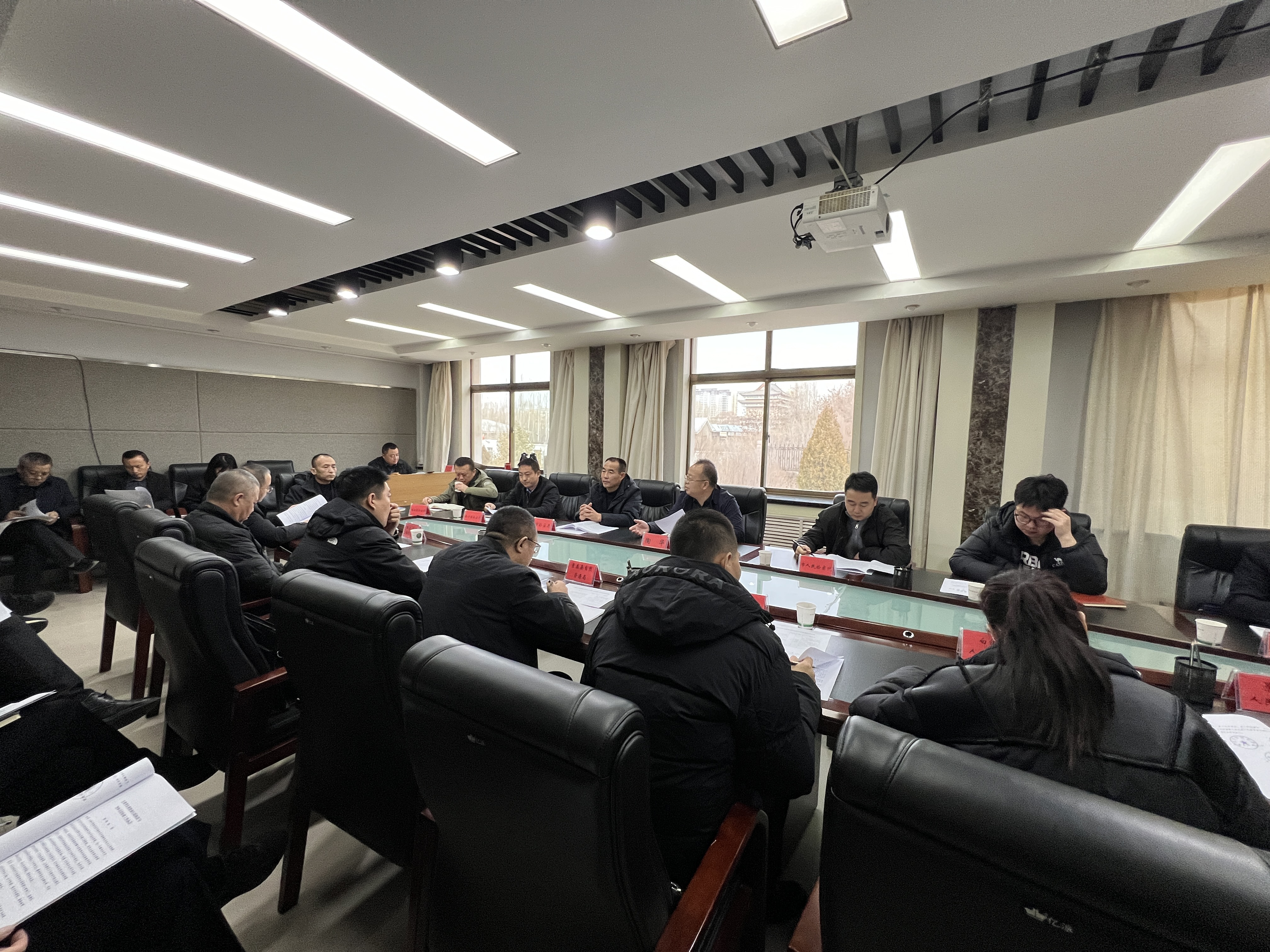
Group 1 - The core viewpoint of the article emphasizes the need to enhance the coordination mechanism between administrative law enforcement and criminal justice in the natural resources sector in Gansu Province [1][4] - A meeting was held by the Baiyin City Natural Resources Bureau, the Municipal People's Procuratorate, and the Public Security Bureau to discuss the implementation of the "Gansu Province Natural Resources Administrative Law Enforcement and Criminal Justice Connection Work Method" [1][4] - The meeting focused on establishing a joint mechanism for law enforcement and criminal justice, discussing operational processes, case transfer standards, information sharing methods, and collaboration requirements [4] Group 2 - The meeting highlighted the importance of transitioning from "formal connection" to "substantive integration" in the law enforcement and criminal justice connection, aiming to strengthen the collaborative efforts in natural resource protection [6] - Suggestions were made on how to establish a regular communication mechanism, improve inter-departmental collaboration efficiency, and enhance the effectiveness of law enforcement and judicial cooperation [4][6] - The initiative aims to safeguard the rational development and utilization of natural resources, thereby contributing to the high-quality economic and social development of Baiyin City [6]
安徽广德创新闭环工作机制提升自然资源执法质效
Zhong Guo Zi Ran Zi Yuan Bao· 2025-12-19 03:06
Core Insights - Anhui Province's Guangde City has implemented an innovative "1+3+N" work mechanism to address challenges in natural resource law enforcement, enhancing authority and execution capabilities significantly [1][2] Group 1: Problem-Solving Mechanisms - "One Core Leadership" addresses the issue of "difficult discovery" by integrating smart city drone monitoring with local inspection efforts, reducing the average discovery time of illegal activities by over 5 working days [1] - "Three-Dimensional Support" resolves "collaboration difficulties" by clearly defining responsibilities among local government, agricultural departments, and urban management, leading to improved law enforcement efficiency [1] Group 2: Execution Challenges - "Multi-Party Coordination" tackles "execution difficulties" by involving various departments such as police, courts, and transportation in handling complex cases, addressing issues of multi-head management and responsibility evasion [2] - A total of 69 illegal cases have been addressed this year, including one case that required court enforcement and another that was referred to the police for criminal prosecution [2]
安徽蚌埠局 “交叉互查”提升执法质效
Zhong Guo Zi Ran Zi Yuan Bao· 2025-11-07 03:01
Group 1 - The core viewpoint of the articles highlights the efforts of the Bengbu Natural Resources and Planning Bureau to enhance law enforcement and regulatory efficiency in response to new demands in natural resource management [1][2] Group 2 - Bengbu has implemented a "supervisory inspection" model at the municipal level, conducting over 190 inspections and tracking 38 key projects covering 24,811.82 acres, with 13 projects preemptively warned covering 3,304.55 acres [1] - The bureau has integrated law enforcement personnel, including grassroots leaders and young cadres, into a management system, establishing a personnel database and conducting four training sessions with over 230 participants to improve legal enforcement capabilities [2] - A cross-check mechanism has been established to enhance the objectivity and seriousness of law enforcement inspections, with over 120 personnel deployed for cross-regional checks, identifying 67 suspected issues [2]