茶饮零售

Search documents
从始祖鸟到雪王,为什么都在开大店?
36氪· 2026-01-03 13:08
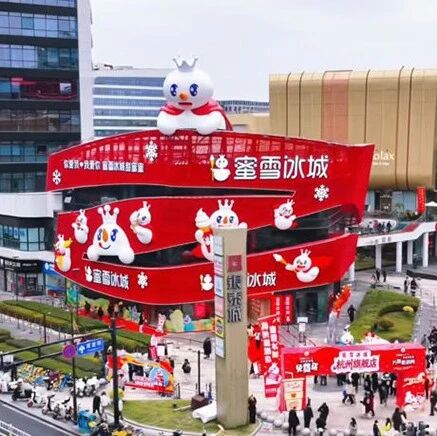
Core Viewpoint - The article discusses the trend of large retail stores emerging in various industries, emphasizing their role in enhancing brand experience and community engagement, while also addressing the shift from traditional retail models to more experiential and emotionally-driven shopping environments [5][10][25]. Group 1: Large Store Trends - Miniso has successfully implemented a new large store model, with Miniso Land generating 1.5 billion yuan in sales within its first year in Shanghai, primarily driven by IP products [8][7]. - The trend of opening large stores is not limited to Miniso; brands like Honey Snow Ice City and H&M are also expanding their flagship stores significantly, with sizes ranging from 600 to 2400 square meters [12][21][22]. - The shift towards larger stores is seen as a response to market saturation in smaller formats, with brands aiming to create high-value, differentiated experiences [13][18][30]. Group 2: Consumer Experience and Engagement - Large stores are designed to enhance consumer engagement by offering unique experiences, such as themed areas and exclusive products, which help build brand loyalty [25][35]. - The success of large stores is attributed to their ability to create immersive environments that cannot be easily replicated online, thus providing a compelling reason for consumers to visit [39][68]. - Brands are increasingly focusing on the emotional value of shopping experiences, moving away from purely functional offerings to those that resonate with consumers on a deeper level [7][10][37]. Group 3: Market Dynamics and Challenges - Despite the trend towards large stores, the retail environment is facing challenges, including rising vacancy rates in shopping centers, which have reached 28.7% [30]. - The article notes that while some large store initiatives have failed, successful examples demonstrate that well-executed large stores can outperform traditional formats in terms of sales per square meter [32][45]. - The current retail landscape requires brands to innovate and adapt their strategies to remain relevant, particularly in the face of economic pressures and changing consumer preferences [30][41].