
观光业

Search documents
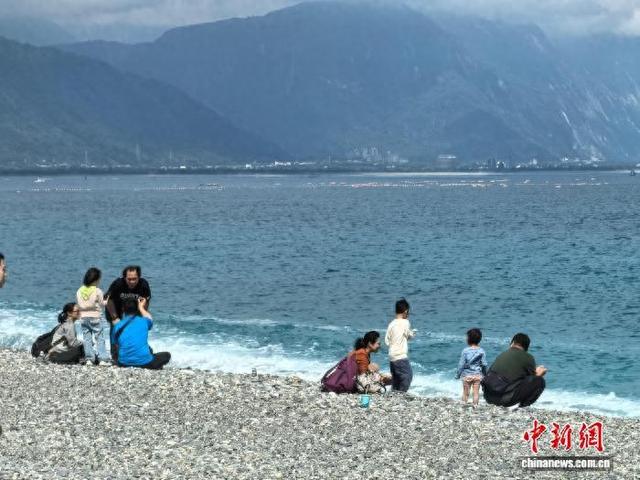
台湾花莲春节观光需求不振 业界盼陆客观光团早日重启
Xin Lang Cai Jing· 2026-02-22 12:46
Core Viewpoint - The tourism industry in Hualien, Taiwan, is facing significant challenges due to a drastic decline in mainland Chinese tourists since 2016, compounded by natural disasters and a shift in local travel patterns [1][3][6]. Group 1: Impact on Tourism - Hualien, known for its rich tourism resources, has seen a sharp decrease in visitors, particularly from mainland China, leading to a "cold" atmosphere in popular tourist spots [1][3]. - The average hotel occupancy rate in Hualien during the recent Spring Festival was below 30%, marking the worst performance since the 2018 earthquake, with previous years seeing rates of 50-60% [3][6]. - Local tourism operators report that the absence of mainland tourists has resulted in significantly reduced business, with many attractions struggling to fill tours and accommodations [3][4]. Group 2: Economic Implications - The decline in mainland tourists has broader economic implications, as these visitors typically stayed longer (average of 7.4 days) and contributed more to the local economy compared to other tourists who average only 3.5 days [6]. - The tourism industry in Taiwan employs approximately 2 million people, and the reliance on mainland tourists for economic stability is evident, as local travelers cannot sustain the market alone [6]. - The shift in travel patterns, with local tourists primarily traveling on weekends, leaves many attractions in Hualien underutilized during weekdays, further exacerbating the economic challenges faced by the industry [6].

台北101,照见“台独”的穷途末路
Xin Lang Cai Jing· 2026-01-26 15:53
Group 1 - The article highlights the contrast between Taiwan's vibrant image presented through events like extreme sports and the underlying geopolitical tensions, particularly the threat posed by "Taiwan independence" movements [1][2] - Taiwan's international image has been overshadowed by geopolitical issues, leading to a downward revision of tourism targets and a significant outflow of the semiconductor industry to the United States [1][2] - The economic implications of Taiwan's reliance on the U.S. are severe, with a trade agreement amounting to $500 billion, representing 56.8% of Taiwan's GDP, effectively making each Taiwanese citizen financially accountable for U.S. technological dominance [2][3] Group 2 - The military exercises conducted by the Chinese military, including drone surveillance over Taipei 101, serve as a demonstration of China's commitment to countering "Taiwan independence" and reinforcing national sovereignty [3][4] - The decline in cross-strait exchanges and the reduction of mainland tourists have severely impacted Taiwan's tourism industry, exacerbating economic challenges alongside the semiconductor sector's relocation [3][4] - Polls indicate a significant decline in support for "Taiwan independence," with approximately 1.5 million supporters lost in the past ten months, suggesting a shift in public sentiment towards unification as a viable path for Taiwan's future [3][4]
中国赴日游客减少 日本地方观光等行业担忧
Yang Shi Xin Wen Ke Hu Duan· 2026-01-22 07:47
Group 1 - The number of Chinese tourists visiting Japan has significantly decreased due to various factors, including remarks made by Japanese Prime Minister Sanae Takaichi, impacting local industries in Nagano Prefecture, particularly in Matsumoto City, which relies heavily on tourism [1][2] - Local businesses, including restaurants and antique shops, are expressing concerns over the decline in Chinese tourists, who have historically been a major contributor to tourism spending in the area [1][2] - The winter tourism season, which is highly dependent on Chinese visitors, is expected to face significant challenges as hotel bookings for February and March show a marked decrease in Chinese guests [4][6] Group 2 - In Matsumoto City, the restaurant industry has reported a noticeable drop in revenue due to the absence of Chinese tourists, who previously constituted a large portion of their customer base [1] - Antique shops in the region are also feeling the impact, with a significant reduction in Chinese clientele, which poses a substantial threat to their business operations [2] - In the popular resort area of Karuizawa, hotels report that approximately 30% of their overseas guests are Chinese, and the upcoming Chinese New Year season is expected to exacerbate the situation due to fewer bookings [4][6]

台湾观光业“旺季不旺” 多地酒店入住率不到五成
Zhong Guo Xin Wen Wang· 2025-08-19 23:25
Group 1: Core Insights - Taiwan's tourism industry is experiencing a significant downturn during the peak summer season, with hotel occupancy rates in many areas falling below 50% [1] - The average hotel occupancy rate in Taichung's scenic areas was reported at over 30% in July, a sharp decline from approximately 80% in previous years [1] - Contributing factors to the market slump include weak domestic tourism demand, a lack of attractiveness in local attractions, and severe labor shortages in the tourism sector [1] Group 2: Statistical Data - The number of domestic tourists in Taiwan decreased to 78.8 million in the previous year, down from 79.8 million in 2023 and 79.9 million in 2019 [1] - Domestic tourism spending fell to NT$464.6 billion, a reduction of NT$30.8 billion compared to 2023 [1] - The estimated number of inbound travelers to Taiwan has been revised down to 9 million for this year, marking the second consecutive year that the target of 10 million foreign tourists has not been met [2] Group 3: Market Dynamics - The proportion of "pure tourism" foreign visitors is expected to drop to 65% in 2024, with the percentage of first-time visitors to Taiwan decreasing from 57% in 2019 to 46% in 2024 [2] - The appreciation of the New Taiwan Dollar is putting additional pressure on Taiwan's tourism industry by diminishing its price competitiveness for foreign tourists [2] - Despite the overall downturn, tourism in Kinmen is thriving, with over 1 million visitors recorded by the end of July, and a significant number of mainland tourists visiting for cultural experiences [2]