
两岸统一

Search documents
中国海警对台喊话盼早日回归,台海巡船只:收到,谢谢
Xin Lang Cai Jing· 2026-02-25 10:46
Group 1 - The core viewpoint of the article highlights the ongoing enforcement activities by the Fujian Coast Guard in the waters near Kinmen, aimed at strengthening maritime control and protecting the rights and safety of Chinese fishermen, including those from Taiwan [1] - The Fujian Coast Guard has organized a fleet to conduct regular patrols in the Kinmen area since February, indicating a commitment to maintaining order in the Xiamen-Kinmen maritime region [1] - A video released by the Coast Guard shows communication between the Fujian Coast Guard vessel and the Taiwan Coast Guard vessel, emphasizing a message of unity and hope for future reunification during the Lunar New Year [1]
签了!5年内,台湾要采购美国3万亿,赖丧事喜办,大陆耐心快耗尽
Sou Hu Cai Jing· 2026-02-13 05:21
Core Viewpoint - The signing of the US-Taiwan trade agreement is seen as Taiwan's significant concession to the US, with Taiwan committing to purchase NT$3 trillion worth of American goods over five years, which raises concerns about Taiwan's autonomy and economic future [5][7][11]. Group 1: Trade Agreement Details - The US-Taiwan trade agreement was signed on February 13, with US goods exported to Taiwan enjoying zero tariffs, while Taiwanese goods exported to the US face a 15% tariff [5]. - Taiwan is required to procure NT$3 trillion (approximately US$100 billion) worth of American goods, including oil, natural gas, electrical equipment, and civil aviation engines, from 2025 to 2029 [5][8]. - The agreement is perceived as a "sellout" by Taiwan's leadership, with critics arguing it undermines Taiwan's economic independence and development [5][7]. Group 2: Military and Investment Commitments - Taiwan has agreed to invest US$250 billion in US semiconductor industries and provide a credit guarantee of the same amount, which adds financial strain on Taiwan's economy [3][8]. - The US Congress approved US$11.1 billion in military sales to Taiwan, with payment due by March 2026, raising concerns about Taiwan's defense budget and military commitments [8][10]. - There are indications that Taiwan may enter into larger military sales contracts with the US, further entrenching its military dependence on the US [10][14]. Group 3: Political Implications - The trade agreement and military commitments have led to criticism of Taiwan's leadership, with accusations of compromising Taiwan's sovereignty and economic stability for US support [7][11]. - The Chinese mainland has expressed diminishing patience with Taiwan's leadership, warning that continued provocations could lead to a loss of autonomy for Taiwan [11][16]. - The situation is framed as a critical juncture for Taiwan, with potential consequences for cross-strait relations and Taiwan's future [18].

国台办:台主流民意肯定国共交流成果 民进党说辞不得人心
Xin Lang Cai Jing· 2026-02-05 13:06
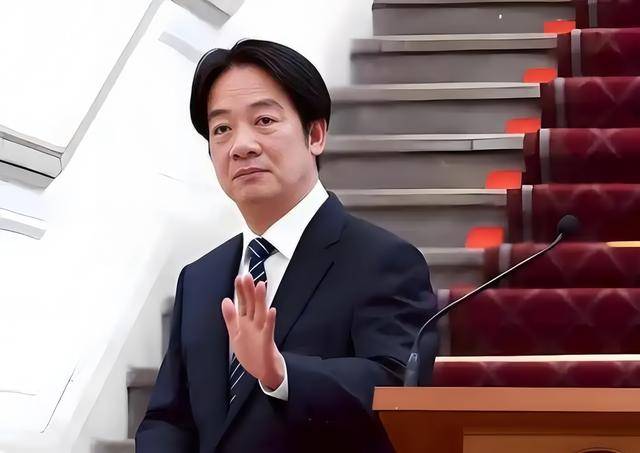
Core Viewpoint - The spokesperson for the Taiwan Affairs Office, Chen Binhua, emphasized that mainstream public opinion in Taiwan supports enhanced cross-strait exchanges and cooperation, while criticizing the Democratic Progressive Party (DPP) for its negative rhetoric and actions against such initiatives [1][2] Group 1 - The recent cross-strait forum between the Kuomintang (KMT) and the Communist Party of China (CPC) was highlighted as having achieved substantial results, despite the DPP's claims that unauthorized groups should not engage in political agreements with the mainland [1] - Chen Binhua accused the DPP of obstructing beneficial developments in cross-strait relations to further its "Taiwan independence" agenda, which he claims serves only the interests of the party [1] - He stated that the DPP's efforts to promote a "defense special budget" and the concept of a "Taiwan Shield" are futile, asserting that "Taiwan independence" is a dead end and cannot prevent the inevitable reunification of China [1] Group 2 - Chen Binhua criticized the DPP for fabricating narratives of "democracy against authoritarianism" to incite cross-strait tensions, while also accusing them of misusing public funds for military purchases [2] - He expressed confidence in the ability to thwart any "Taiwan independence" schemes, asserting that attempts to achieve independence through military means would lead to self-destruction [2]
世界在变,只有台湾“以不变应万变”?
Xin Lang Cai Jing· 2026-02-02 15:56
Group 1 - The article highlights the increasing engagement of European leaders with China, indicating a shift in the global landscape as countries seek to leverage China's stability and market opportunities [1][2] - The article emphasizes that Taiwan's current political stance, particularly the "Taiwan independence" movement, is outdated and counterproductive in the face of changing international dynamics [2][3] - It suggests that Taiwan should focus on economic integration and collaboration with mainland China to find new growth opportunities, rather than clinging to separatist ideologies [3] Group 2 - The article argues that Taiwan's leadership is failing to adapt to the evolving geopolitical environment, which could lead to detrimental consequences for the island's future [2][3] - It posits that embracing unification with mainland China is essential for Taiwan to transform from a pawn in geopolitical games to a significant player in regional development [3] - The narrative suggests that the prevailing sentiment in Taiwan is shifting towards unification, indicating a potential change in public opinion against the backdrop of international developments [3]
热评两岸丨强大祖国做后盾 台湾才有真正的安全感
Yang Shi Xin Wen Ke Hu Duan· 2026-01-30 07:53
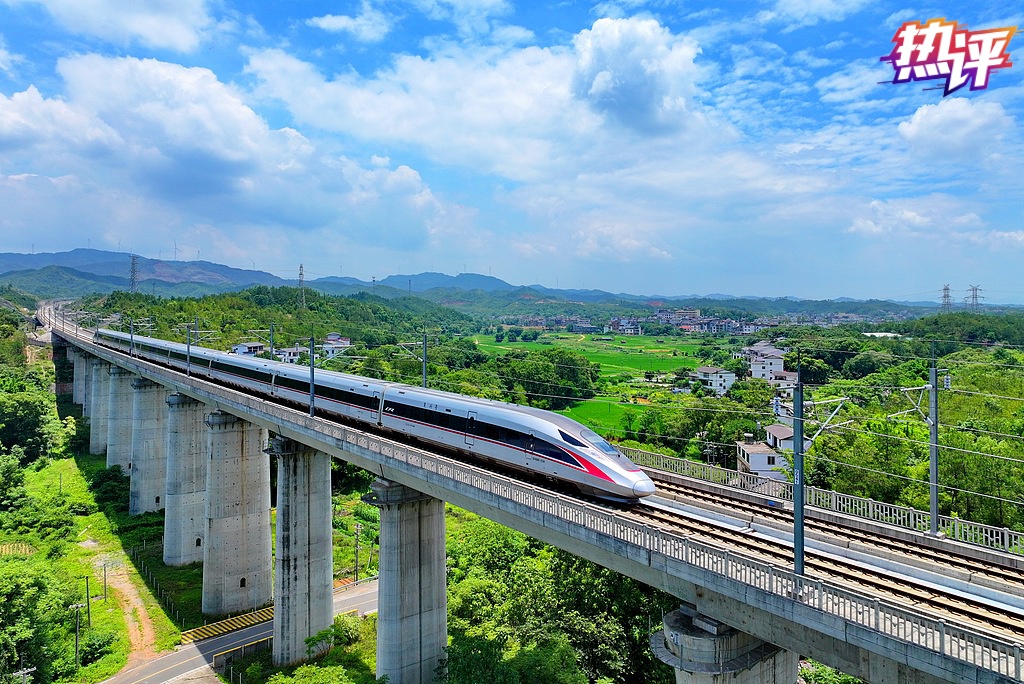
Group 1 - The recent news of mainland China's high-speed rail network exceeding 50,000 kilometers has sparked discussions in Taiwan, with many expressing pride and hope for future cross-strait travel [1][3] - The mainland has built the world's largest and most modern high-speed rail network, attracting increasing attention from Taiwanese citizens who have experienced the benefits of reduced travel distances and enhanced connectivity [3][4] - Taiwanese public sentiment reflects dissatisfaction with the Democratic Progressive Party's (DPP) governance, which is perceived as neglecting public welfare and obstructing cross-strait exchanges [3][4] Group 2 - Infrastructure projects, such as the water supply from Fujian to Kinmen, have significantly improved living conditions and development prospects for Kinmen residents, contrasting with the DPP's lack of focus on public infrastructure in Taipei [4] - Upcoming forums and youth exchange programs between the two sides indicate a growing trend of cooperation and dialogue, with many Taiwanese believing that unification offers benefits while independence leads to isolation [7] - The spokesperson for the Taiwan Affairs Office emphasized that peaceful unification would create substantial opportunities for Taiwan's economic and social development, enhancing various aspects including infrastructure [7]
台北101,照见“台独”的穷途末路
Xin Lang Cai Jing· 2026-01-26 15:53
Group 1 - The article highlights the contrast between Taiwan's vibrant image presented through events like extreme sports and the underlying geopolitical tensions, particularly the threat posed by "Taiwan independence" movements [1][2] - Taiwan's international image has been overshadowed by geopolitical issues, leading to a downward revision of tourism targets and a significant outflow of the semiconductor industry to the United States [1][2] - The economic implications of Taiwan's reliance on the U.S. are severe, with a trade agreement amounting to $500 billion, representing 56.8% of Taiwan's GDP, effectively making each Taiwanese citizen financially accountable for U.S. technological dominance [2][3] Group 2 - The military exercises conducted by the Chinese military, including drone surveillance over Taipei 101, serve as a demonstration of China's commitment to countering "Taiwan independence" and reinforcing national sovereignty [3][4] - The decline in cross-strait exchanges and the reduction of mainland tourists have severely impacted Taiwan's tourism industry, exacerbating economic challenges alongside the semiconductor sector's relocation [3][4] - Polls indicate a significant decline in support for "Taiwan independence," with approximately 1.5 million supporters lost in the past ten months, suggesting a shift in public sentiment towards unification as a viable path for Taiwan's future [3][4]
特朗普让中国给面子,大陆惩戒名单出炉,赖清德家人已逃亡美国?
Sou Hu Cai Jing· 2026-01-24 15:49
Group 1 - The core viewpoint of the article highlights the dissatisfaction within Taiwan regarding the recent trade agreement with the United States, which is perceived as detrimental to Taiwan's industrial foundation and a form of "selling out" by the Lai Ching-te administration [2][4]. - The agreement involves a reduction of the tariff rate on Taiwan's goods to 15% without cumulative calculations, but this is seen as a minimal concession rather than a significant achievement [2][4]. - Taiwan's semiconductor industry is required to transfer up to 40% of its production capacity to the U.S., which poses a risk to Taiwan's economic structure and is viewed as a systematic hollowing out of its key industries [4]. Group 2 - Taiwan's government has announced a $500 billion investment plan in the U.S., which exceeds the investment commitments of South Korea ($350 billion) and approaches that of Japan ($550 billion), raising questions about the economic rationale behind such a scale [4]. - A special military procurement budget of NT$1.5 trillion has been approved, but lacks clarity on specific purchases and timelines, representing an open-ended financial commitment to the U.S. [4]. - The Lai administration's approach to negotiations has been criticized for being opaque, with no public involvement or disclosure of details, leading to widespread discontent among the Taiwanese populace [5]. Group 3 - Lai Ching-te's family members have established lives in the U.S., which has led to public scrutiny and accusations of hypocrisy, as he promotes a strong anti-China stance while his family benefits from U.S. residency [7]. - The administration's policies, such as extending mandatory military service, have sparked significant backlash from the youth in Taiwan, who feel they are being unfairly burdened [7]. - The increasing pressure from mainland China and the perception of Lai's actions as self-serving have contributed to a growing sentiment among the Taiwanese people against his administration [9][10].
统一大道光明,“台独”死路一条
Xin Lang Cai Jing· 2026-01-23 09:38
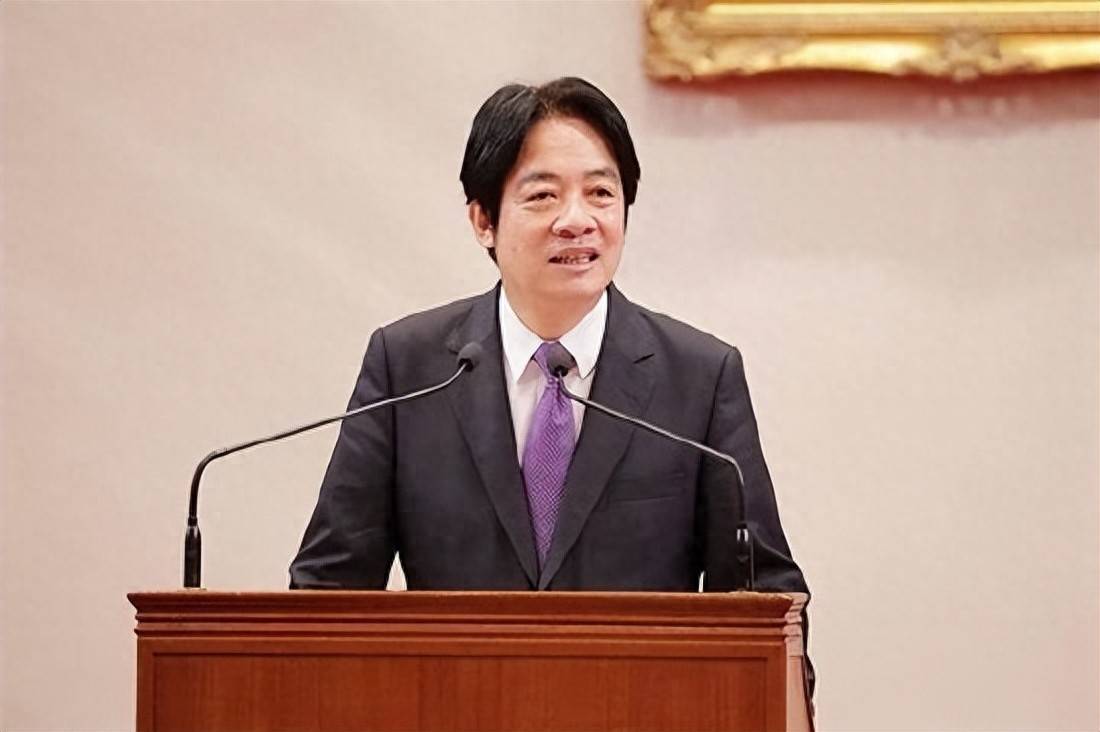
Group 1 - The article discusses the rapid changes in the international landscape, highlighting the shift away from U.S. hegemony and the emergence of a new world order, with various leaders expressing skepticism towards U.S. intentions [1][2] - It emphasizes the forced relocation of 40% of advanced semiconductor production to the U.S. and the implications for Taiwan's economy, portraying Taiwan as vulnerable and exploited under current political leadership [2][3] - The commentary reflects on the disillusionment among Taiwanese youth regarding their future, questioning the viability of independence and recognizing the importance of economic opportunities and development [3][4] Group 2 - The narrative suggests that Taiwan's future lies not in the pursuit of independence but in the integration with the mainland, framing unification as a path towards shared prosperity and stability [4] - It critiques the current Taiwanese administration for its ineffective governance and reliance on U.S. support, which is portrayed as increasingly unreliable [2][3] - The article concludes with a call for unity among Chinese people, emphasizing that the path to a brighter future is through collaboration rather than division [4]
对美进贡5000亿美元,民进党丧事喜办,号称取得重大胜利
Sou Hu Cai Jing· 2026-01-16 13:51
Group 1 - The Taiwanese authorities recently signed a trade agreement with the U.S., which includes a reduction of tariffs on Taiwanese goods from 20% to 15% [2] - The reduction in tariffs is contingent upon Taiwanese semiconductor and technology companies committing to invest at least $250 billion in the U.S. [4] - The Taiwanese government is also required to provide an additional $250 billion as a credit guarantee, totaling $500 billion for a 5% tariff reduction [4] Group 2 - The U.S. aims to relocate 40% of Taiwan's semiconductor companies to the U.S., indicating a strategy to extract benefits from Taiwan's core industries [4][6] - The semiconductor industry, particularly TSMC, is crucial for Taiwan's economy and has become a bargaining chip for the Taiwanese authorities in negotiations with the U.S. [4][6] - The actions of the U.S. are perceived as a direct attempt to undermine Taiwan's economic strengths while simultaneously distancing itself from the Taiwan issue [6][10]

国台办:赖清德大搞备战谋“独”只会把宝岛变成战场
Jing Ji Guan Cha Wang· 2025-12-31 03:00
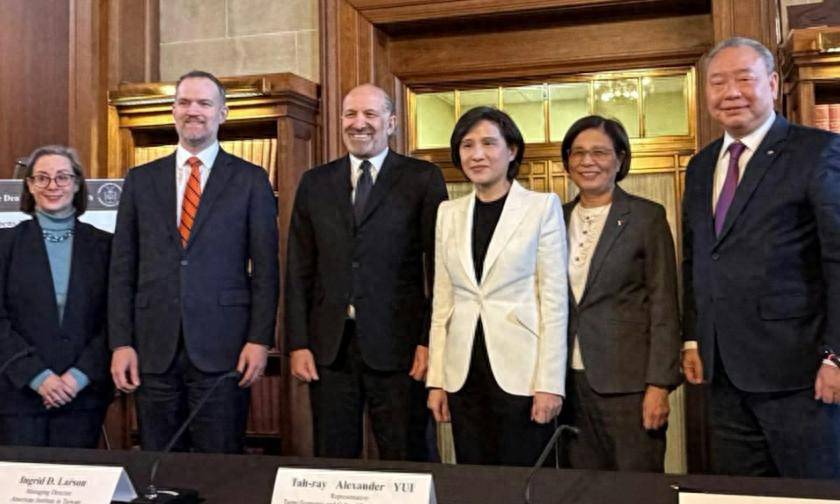
Core Viewpoint - The spokesperson from the Taiwan Affairs Office criticized Lai Ching-te's advocacy for "new two-state theory" and his call for Taiwan to enhance self-defense, labeling him as a "peace destroyer" and "troublemaker" who escalates tensions across the Taiwan Strait [1] Group 1 - Lai Ching-te has consistently adhered to a "Taiwan independence" stance since taking office, promoting divisive rhetoric that incites cross-strait confrontation [1] - The spokesperson emphasized that Lai's actions serve personal and party interests, which exacerbate tensions in the Taiwan Strait and could turn Taiwan into a battlefield [1] - The spokesperson noted that more Taiwanese people are recognizing Lai's true nature as a "war merchant" and "troublemaker" [1] Group 2 - The spokesperson asserted that "Taiwan independence" is incompatible with peace in the Taiwan Strait, and that unification is essential for maintaining stability in the region [1]