
酒店与民宿

Search documents
好房东消失,谁杀死了中国民宿?
3 6 Ke· 2026-02-25 02:12
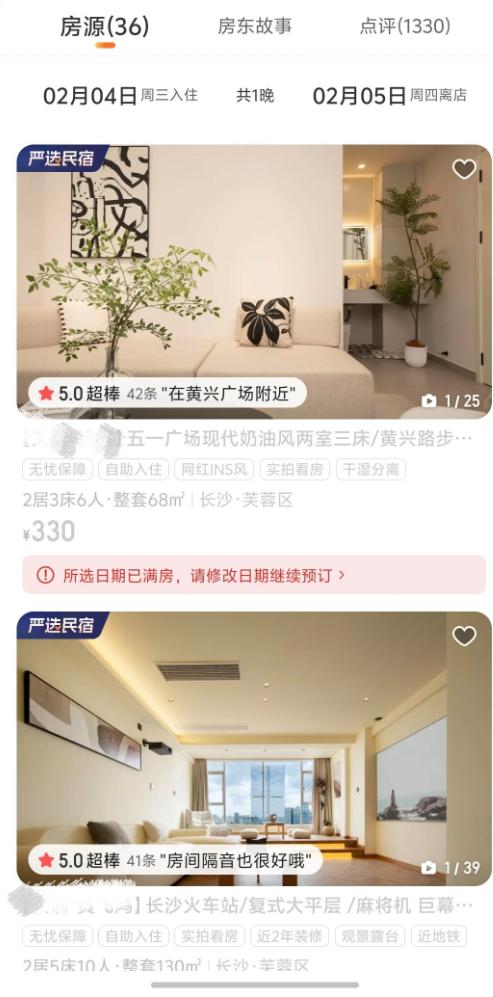
Core Viewpoint - The article discusses the transformation of the homestay industry, highlighting the shift from unique, personalized experiences provided by individual hosts to a standardized, commercialized model dominated by professional landlords and algorithms, leading to a loss of the original charm and warmth associated with homestays [7][9][30]. Group 1: Industry Transformation - The majority of homestay listings have become standardized, resembling low-cost hotels rather than unique accommodations, with many properties managed by individuals overseeing multiple units [7][2]. - The rise of professional landlords and the use of algorithms for ranking listings have led to a focus on efficiency and transaction rates over personal interaction and unique experiences [10][11][12]. - The original charm of homestays, characterized by personal touches and local stories, is being replaced by a cold, commercial approach, where hosts are often absent and interactions are automated [18][20]. Group 2: Market Dynamics - The competition between homestays and traditional hotels is intensifying, as consumers increasingly prioritize efficiency and reliability, leading to a decline in the appeal of homestays [20][21]. - The article notes that the future of the homestay market may be bleak for those relying on outdated business models, as they face competition from established hotel chains with superior operational efficiencies [22][21]. - Successful homestays in the future will likely be those that can cultivate unique experiences and build loyal customer bases, moving away from dependence on online travel agency (OTA) platforms [23][25]. Group 3: Consumer Behavior - Consumers express dissatisfaction with the commercialization of homestays while simultaneously expecting quick service and reliability akin to hotels, creating a paradox in their expectations [29][30]. - The nostalgia for the personal touch of former homestays reflects a broader longing for authentic travel experiences that are increasingly rare in the current market [30].

国庆中秋假期武汉旅游订单增长近三成
Chang Jiang Ri Bao· 2025-09-24 00:40
Core Insights - Wuhan's hotel and accommodation sector is experiencing a surge in bookings ahead of the National Day and Mid-Autumn Festival holidays, indicating strong demand in the hospitality industry [1][2] Group 1: Hotel Performance - Newly opened hotels like Huajian Tang in Huangpi and Ba Gong Di Hotel are seeing high occupancy rates, with some room types already sold out [1] - Popular hotels in the Jianghan Road business district, such as Wuhan Fengmao An Di Hotel and Wuhan Jianghan Road Pedestrian Street Meilun Hotel, are experiencing a significant increase in bookings for peak dates from October 2 to 4 [1] - The Yinjubanshan Homestay in Tanhualin has sold out its unique room types, highlighting the appeal of traditional city experiences [1] Group 2: Ecological and Leisure Accommodations - Eco-friendly accommodations like Longling Mountain RV Camp and hotels within the Mulan Grassland scenic area are also seeing high demand, with booking rates nearing 80% for certain room types [2] - Newly opened Huajian Tang in Wuhan has nearly sold out its rooms for the upcoming holidays, showcasing the strong attraction of new cultural tourism projects in the city [2] Group 3: Overall Tourism Trends - Wuhan ranks among the top ten popular destinations in the country for the upcoming holidays, with a 29% year-on-year increase in overall tourism orders [2] - Data from Ctrip indicates that major source cities for tourists to Wuhan include Shanghai, Beijing, Chengdu, Shenzhen, and Guangzhou, with popular attractions being East Lake Scenic Area, Wuhan Two Rivers Cruise, Yellow Crane Tower, and others [2] - Booking data shows a 61% year-on-year increase in tourism reservations in Hubei, with significant growth in car rentals (55%), ticket bookings (130%), and tour packages (127%) [2]