
铝制品加工

Search documents
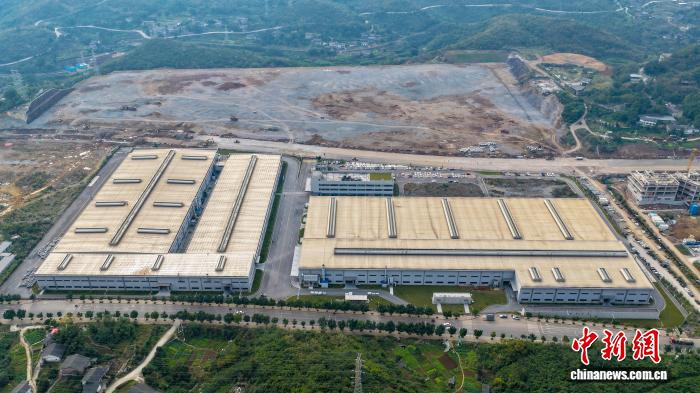
重庆近两年累计完成3.82万户城中村改造
Zhong Guo Xin Wen Wang· 2025-12-31 11:55
Core Viewpoint - Chongqing has completed the transformation of 38,200 urban villages over the past two years and plans to implement 150 more projects from early 2024 to the end of 2025, focusing on industrial development, livability, and urban cultural continuity [1][4]. Group 1: Urban Village Transformation - Chongqing's urban village transformation projects aim to address the "small, scattered, and chaotic" characteristics of local industries by re-planning industrial space and promoting emerging manufacturing sectors such as new materials and new energy [1][3]. - The transformation includes systematic improvements to infrastructure and public services, significantly enhancing the livability and accessibility of the areas [3][4]. Group 2: Industrial Integration - The transformation projects are designed to synchronize industrial planning with land acquisition, ensuring that post-transformation sites can effectively support the upgrading of manufacturing industries [3]. - An example includes the Shuanggang Village project, which leverages local aluminum processing advantages through a collaborative development model with Southwest Aluminum Group [3]. Group 3: Cultural Preservation - The transformation efforts also prioritize the protection and utilization of historical and cultural resources, integrating modern urban functions with historical cultural landscapes [4]. - In the Lichuan and Qukou village areas, the projects aim to preserve existing street patterns while introducing new cultural and leisure activities, thereby revitalizing cultural heritage and enhancing industrial vitality [4]. Group 4: Future Plans - During the 14th Five-Year Plan period, Chongqing will continue to advance urban village transformation, aligning it with industrial development needs to optimize population structure and enhance urban quality [4].

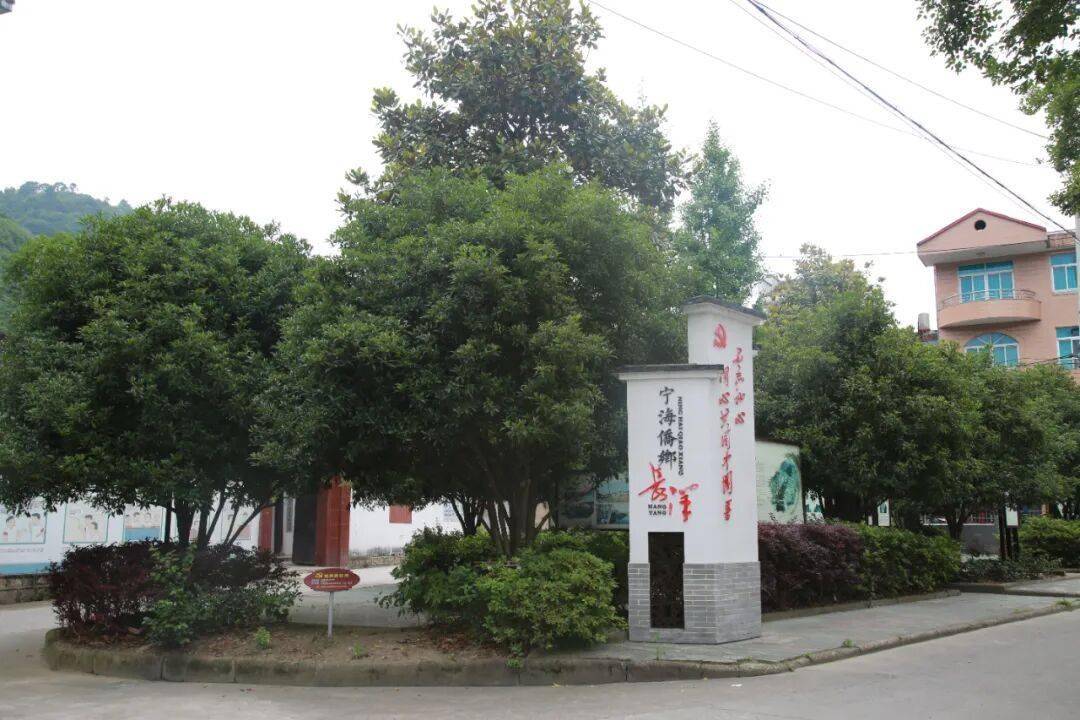
从铝灰到运动杖:深甽长洋铝制品产业发展史
Sou Hu Cai Jing· 2025-10-07 04:07
Core Insights - The aluminum products industry in Ninghai Shenwei has evolved from a small-scale operation in a village temple to a significant player in the national market, driven by the return of educated youth and local community support [1][2][3] Group 1: Origins of the Industry - The industry began in 1968 when a group of young people from Shanghai returned to their hometown, Longyang, seeking stable livelihoods [2] - The initial idea to establish a factory was proposed by the Shanghai returnees, leading to the establishment of a collective enterprise under the local commune [2][3] Group 2: Resource and Technical Development - The decision to process aluminum ash, a byproduct from Shanghai Aluminum Products Factory, was made to utilize local resources effectively [3][6] - Key figures, including skilled workers from Shanghai, returned to Longyang to apply their expertise in aluminum smelting, facilitating the transfer of technical knowledge [6][7] Group 3: Growth and Expansion - The establishment of Shenwei Comprehensive Chemical Factory in 1974 marked the transition from a workshop to a more formalized production entity [9] - The factory's growth led to improved living conditions for local villagers, who began to see the benefits of industrialization [9][10] Group 4: Challenges and Environmental Concerns - The rapid expansion of small family-run workshops in the 1980s led to environmental issues, including pollution and resource depletion [12][13] - The local government initiated a consolidation of small factories into a centralized industrial area to address environmental concerns and improve production efficiency [15] Group 5: Transformation and Modernization - By 2017, the industry shifted focus from aluminum smelting to deep processing of aluminum products, adapting to stricter environmental regulations [16] - The transition has allowed the industry to thrive in new markets, producing items like outdoor gear and precision components, marking a significant evolution from its humble beginnings [16][18]
江苏久茂申请破产审查
Ju Chao Zi Xun· 2025-08-25 10:27
Core Viewpoint - Jiangsu Jiumao Precision Electronic Technology Co., Ltd. has applied for bankruptcy review, indicating significant financial distress and legal challenges faced by the company [2]. Group 1: Bankruptcy and Legal Issues - On August 21, 2025, Jiangsu Jiumao voluntarily applied for bankruptcy review, with the case number (2025) Su0583破申335号 [2]. - The company has been involved in 61 judicial cases, with 52 cases as a defendant, accumulating a total claim amount of 14.894 million yuan [2]. - Jiangsu Jiumao has been listed as an executor, indicating ongoing legal enforcement actions against the company [2]. Group 2: Company Overview - Established in 2006, Jiangsu Jiumao is a large enterprise specializing in aluminum product processing, employing nearly 1,300 people [3]. - The company is recognized as one of the stronger manufacturers of aluminum products in China, with applications in 3C products, home appliances, and various transportation sectors [3]. - Core clients include major brands such as Samsung, Asus, Lenovo, and Barco Medical, reflecting the company's commitment to quality and professional manufacturing [3].
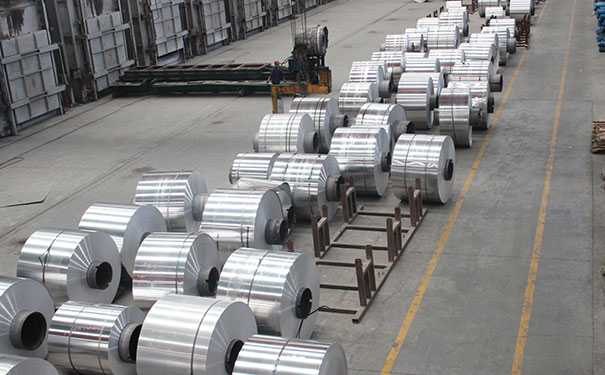
越南一铝制品厂车间发生火灾 致4死3伤
news flash· 2025-06-29 01:24
Group 1 - A fire occurred in an aluminum products factory in Vietnam's Hung Yen province on June 28, resulting in 4 fatalities and 3 injuries [1] - The fire spread rapidly across hundreds of square meters of the factory, with around 10 workers present at the time [1] - The presence of flammable materials in the workshop contributed to the intensity of the fire, which produced smoke columns reaching several dozen meters high and was accompanied by multiple explosions [1] Group 2 - Hundreds of people participated in the rescue and firefighting efforts, and the fire was brought under control after several hours [1]