运动杖

Search documents
从铝灰到运动杖:深甽长洋铝制品产业发展史
Sou Hu Cai Jing· 2025-10-07 04:07
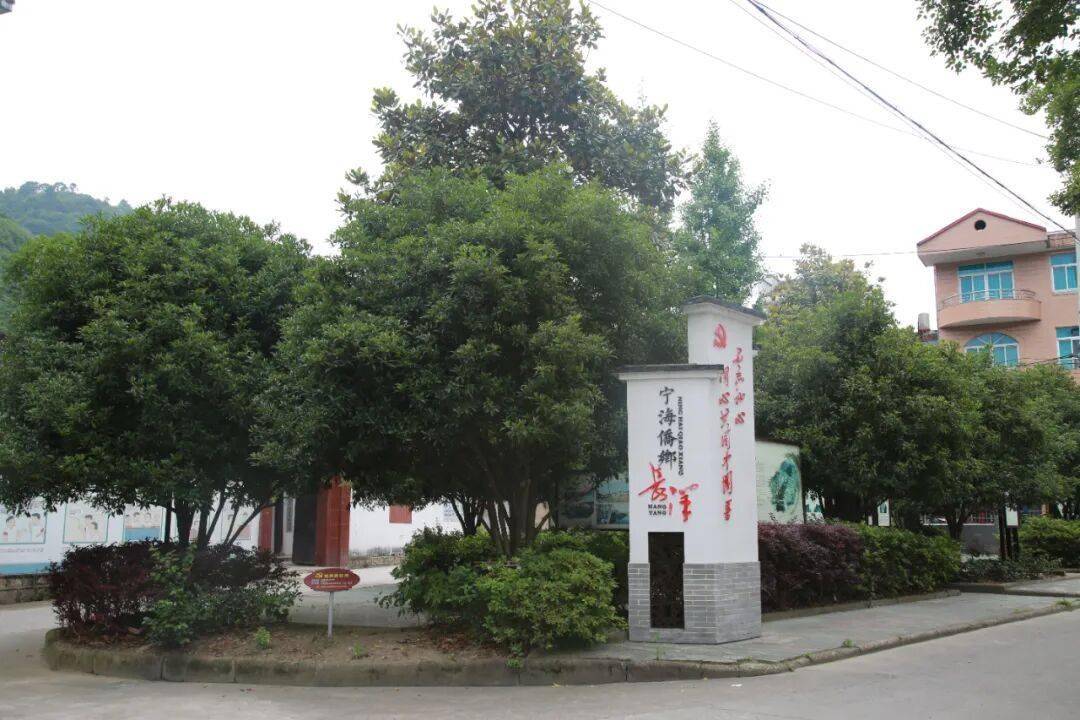
Core Insights - The aluminum products industry in Ninghai Shenwei has evolved from a small-scale operation in a village temple to a significant player in the national market, driven by the return of educated youth and local community support [1][2][3] Group 1: Origins of the Industry - The industry began in 1968 when a group of young people from Shanghai returned to their hometown, Longyang, seeking stable livelihoods [2] - The initial idea to establish a factory was proposed by the Shanghai returnees, leading to the establishment of a collective enterprise under the local commune [2][3] Group 2: Resource and Technical Development - The decision to process aluminum ash, a byproduct from Shanghai Aluminum Products Factory, was made to utilize local resources effectively [3][6] - Key figures, including skilled workers from Shanghai, returned to Longyang to apply their expertise in aluminum smelting, facilitating the transfer of technical knowledge [6][7] Group 3: Growth and Expansion - The establishment of Shenwei Comprehensive Chemical Factory in 1974 marked the transition from a workshop to a more formalized production entity [9] - The factory's growth led to improved living conditions for local villagers, who began to see the benefits of industrialization [9][10] Group 4: Challenges and Environmental Concerns - The rapid expansion of small family-run workshops in the 1980s led to environmental issues, including pollution and resource depletion [12][13] - The local government initiated a consolidation of small factories into a centralized industrial area to address environmental concerns and improve production efficiency [15] Group 5: Transformation and Modernization - By 2017, the industry shifted focus from aluminum smelting to deep processing of aluminum products, adapting to stricter environmental regulations [16] - The transition has allowed the industry to thrive in new markets, producing items like outdoor gear and precision components, marking a significant evolution from its humble beginnings [16][18]

从“赛事主场”到“消费主场” 大众体育热情燃动为假日经济注入强劲动能
Yang Shi Wang· 2025-05-04 08:26
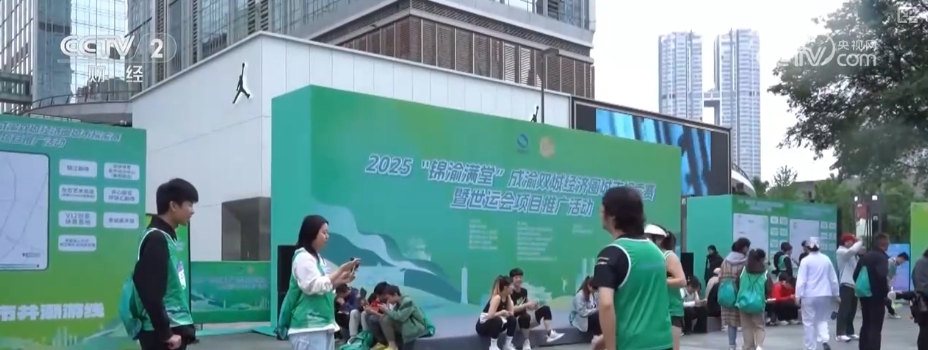
Core Insights - Sports events are evolving from mere competitive activities to significant drivers of urban economic growth, with "event venues" becoming "consumption hubs" and "cultural tourism integration" emerging as a new highlight [1] Group 1: Event and Tourism Integration - In Chengdu, a city sports event creatively integrates running, frisbee, and fitness activities with local landmarks, offering participants a travel experience while competing [4] - The event features various themed routes and interactive games, allowing participants to earn vouchers for dining, entertainment, and shopping [4] - The introduction of unique tourism routes and themed dining accommodations during events aims to attract participants' friends and families, enhancing the travel experience [6] Group 2: Economic Impact of Sports Events - The surge in sports events is stimulating public enthusiasm for sports, leading to a continuous rise in the sports consumption market [10] - There is a notable increase in the production and sales of sports and outdoor equipment, driven by heightened consumer demand [10] - Manufacturing facilities in Zhejiang are experiencing increased activity, with a growing demand for personalized and customized outdoor gear [11]