音乐制作与发行

Search documents
当头部音乐厂牌用AI制作MV,传统MV工业走到拐点了吗?
3 6 Ke· 2026-01-29 02:28
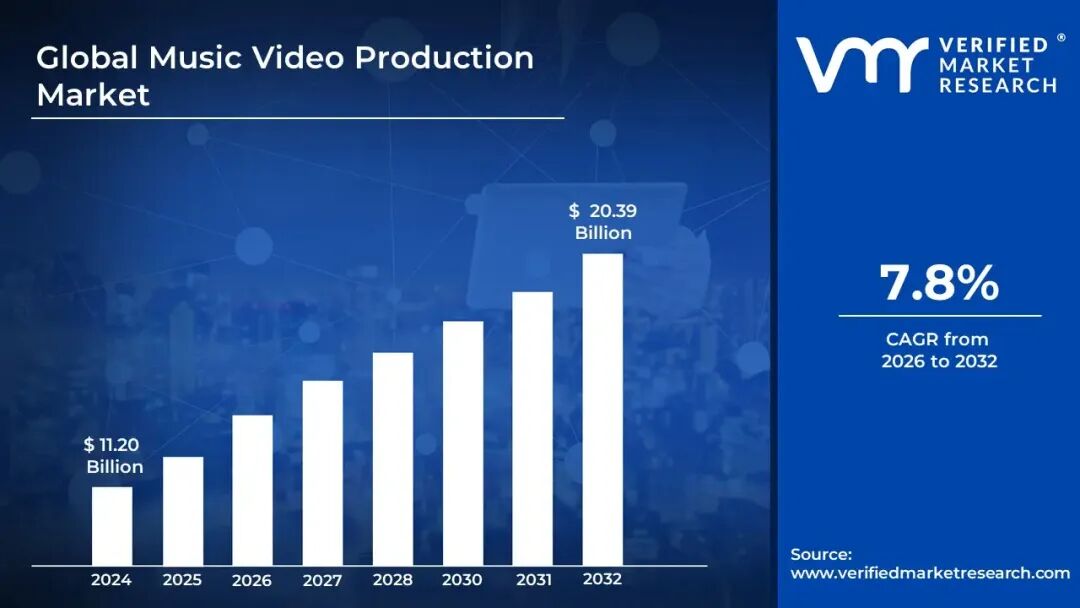
Core Insights - The launch of the AI virtual idol "Wu Aihua" by Warner Music China and Keling AI marks a significant advancement in the integration of AI technology in music videos, achieving over 5 million views for its debut MV within a day [1] - The commercial viability of AI-generated music videos is rapidly increasing, suggesting a potential turning point for the traditional MV industry [1][6] Group 1: AI Technology and Creative Process - The MV "Wu Aihua" showcases a blend of traditional aesthetics and modern AI capabilities, utilizing Keling AI's technology to create a visually cohesive narrative [2][3] - Keling AI's O1 model addresses challenges in maintaining character consistency across scenes, enabling high-quality production standards [3][12] - The AI's ability to generate nuanced emotional expressions in characters allows for deeper storytelling within the MV format [4][12] Group 2: Market Dynamics and Growth Potential - The music video production market is projected to grow from $11.2 billion in 2024 to $20.39 billion by 2032, with a compound annual growth rate of 7.8% from 2026 to 2032 [7] - The increasing volume of music content and the rise in consumer engagement with music videos on platforms like YouTube indicate a revitalized demand for visual music content [9] Group 3: Shifts in Industry Practices - The traditional MV production process, often lengthy and costly, is being transformed by AI, allowing for quicker iterations and lower costs, thus enabling more frequent creative experimentation [11][12] - The role of AI is evolving from a mere tool to a creative partner, enhancing the efficiency and scalability of content creation [12][16] - The integration of AI in music video production is reshaping the industry's operational dynamics, allowing for a more fluid and innovative creative process [13][16]

故宫百年音乐企划《同脉·百年守护》,两岸音乐人携手共贺故宫百年华章
Bei Jing Shang Bao· 2026-01-27 14:06
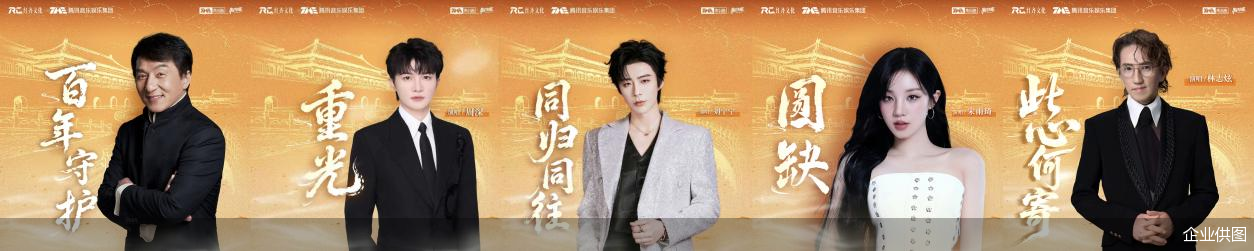
Core Insights - The music project "Same Pulse: A Century of Guardianship" is a tribute to the 100th anniversary of the Palace Museum, showcasing a cultural connection across the Taiwan Strait through music [1][9] - The project features five music pieces performed by various artists, each highlighting different themes related to history and cultural heritage [1][4] Group 1: Project Overview - The music project narrates the grand history of the Palace Museum's artifacts' relocation and the historical ties between the two sides of the Taiwan Strait, focusing on themes of "departure, peril, perseverance, rebirth, and return" [2] - The five released songs include "Guarding a Century" by Jackie Chan, "Rebirth" by Zhou Shen, "Returning Together" by Liu Yuning, "Full Moon" by Song Yuqi, and "Where the Heart Rests" by Lin Zhixuan, each contributing to the overarching narrative of the project [4][5] Group 2: Cultural Significance - The collaboration brings together musicians from both sides of the Taiwan Strait, blending traditional and modern elements to create a resonant voice of guardianship [5][7] - The project aims to build emotional bridges between young people on both sides through music, enhancing cultural dialogue and resonance [7][9] Group 3: Future Developments - As the project progresses, more musical chapters will be released, further constructing a comprehensive narrative of the artifacts' relocation [9] - TME's production studio plans to continue using music as a medium to deepen cultural identity and emotional connections between the two sides, ensuring the continuity of Chinese cultural heritage [9]
一年下架 7500 万首,Spotify 下力气整治“AI垃圾曲目”
3 6 Ke· 2025-09-29 12:12
Core Insights - Spotify has deleted over 75 million "junk tracks" in the past year, primarily targeting unauthorized AI-generated music [1][2] - The deletion represents only a portion of the vast number of AI songs available on the platform, as many AI artists and their works remain accessible [2][3] - This action signals a shift in Spotify's stance towards AI music, as the platform had previously not implemented any restrictions [3][4] Summary by Sections - **Deletion of Tracks** - Spotify's removal of 75 million tracks includes unauthorized AI-generated music, such as songs mimicking human voices without permission [1] - Despite this deletion, popular AI artists still have a significant presence on the platform, with monthly listeners ranging from 300,000 to 600,000 [2] - **New Policies and Measures** - Spotify has introduced several new policies to regulate AI music, including an "Impersonation Policy" to address unauthorized voice mimicry [4] - The platform is collaborating with publishers to prevent unauthorized uploads to real artists' pages and is investing resources to address content mismatches [4] - A "music junk filter" is set to launch in the fall, aimed at identifying and filtering out "junk tracks" and their uploaders [4] - **Industry Collaboration** - Spotify is working with industry organization DDEX to establish "AI music attribution standards," which will require publishers to document whether a song was created using AI [5] - The approach aims for a nuanced transparency method rather than a binary classification of songs as AI-generated or not [5] - **Contextual Industry Developments** - The announcement comes amid ongoing tensions between record labels and AI companies, with major labels like Universal Music and Sony Music seeking partnerships with AI firms for copyright detection [6] - The launch of Suno Studio by Suno, which combines AI music generation with professional editing tools, indicates a growing focus on the professional music market [6]

环球音乐宣布与国民音乐家刘欢达成全球独家合作
Zhong Guo Chan Ye Jing Ji Xin Xi Wang· 2025-04-29 04:26
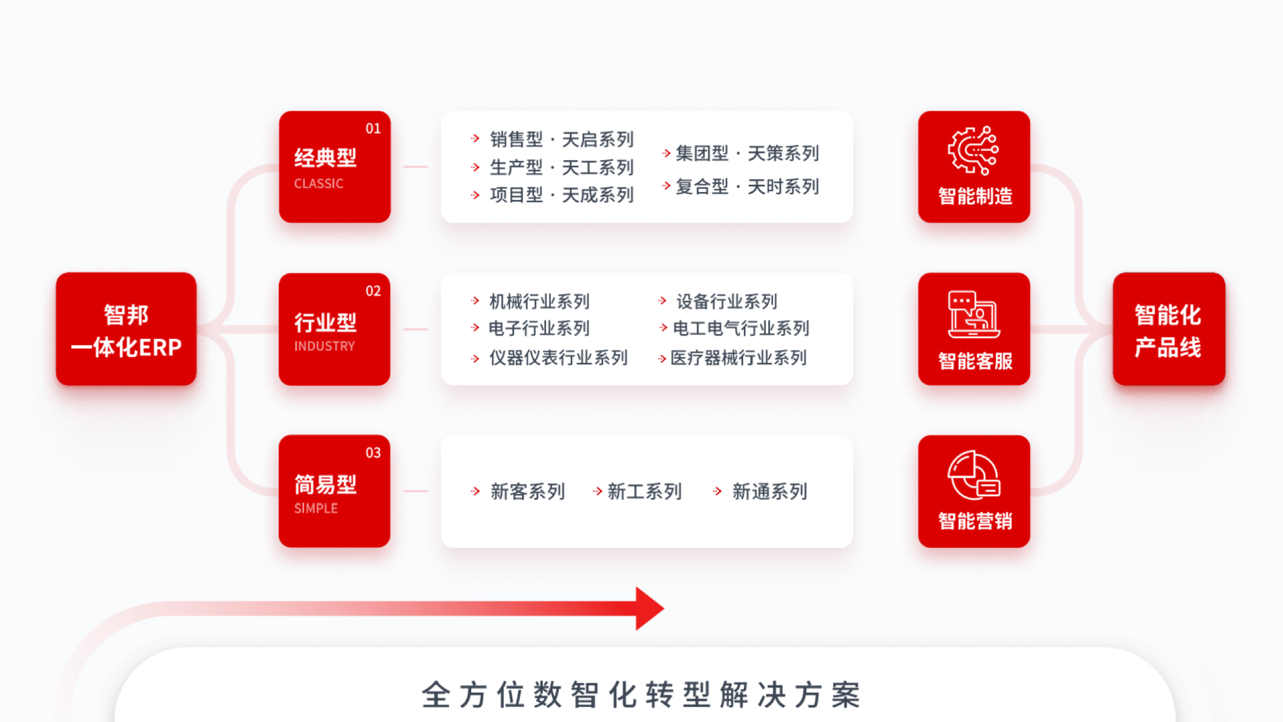
Group 1: Collaboration and Innovation - Universal Music Group has announced a global exclusive partnership with renowned musician Liu Huan, focusing on music creation, copyright operations, and global distribution, while also exploring digital music ecosystems and virtual performances [1] - Liu Huan's collaboration with ERP leader ZhiBang International positions him as the first global brand ambassador, emphasizing the synergy between artistic craftsmanship and technological innovation [2] Group 2: Digital Transformation Challenges - Chinese enterprises face challenges in enhancing systemic efficiency, with low inter-departmental collaboration and intensified market homogenization being key issues [3] - The necessity for digital transformation has become a critical requirement for enterprises to survive, highlighting the importance of breaking down data silos and restructuring management processes [3] Group 3: Integrated ERP Solutions - ZhiBang International's new generation of "integrated ERP" aims to address traditional management pain points by deeply integrating AI, blockchain, and IoT technologies [4] - The new ERP system enhances inter-departmental collaboration by providing real-time data sharing, significantly improving efficiency by over 50% [5] Group 4: Data-Driven Decision Making - The integrated ERP system transitions enterprise management from experience-driven to data-driven, utilizing AI decision engines for predictive insights [6] - The platform can quickly identify issues during production by correlating multi-dimensional data, greatly improving problem tracing efficiency [6] Group 5: Flexible Architecture for Growth - The modular design of the new ERP system allows for rapid deployment within 48 hours, catering to the dynamic needs of enterprises [7] - This flexible architecture supports businesses at various growth stages, ensuring a sustainable upgrade path throughout their digital transformation journey [7] Group 6: Future Aspirations - ZhiBang International aims to leverage Liu Huan's influence to explore the integration of cutting-edge technologies like AI and quantum computing, fostering a more intelligent and open industrial internet platform [9] - The company envisions breaking organizational boundaries and activating data value to create a limitless innovation landscape [9]