两岸文化交流

Search documents
一出木偶戏,浓浓两岸情
Ren Min Ri Bao Hai Wai Ban· 2026-02-25 05:48
Core Viewpoint - The article highlights the cultural significance and ongoing collaboration between the puppet arts of Fujian, China, and Kinmen, Taiwan, showcasing how traditional puppet shows serve as a bridge connecting the two regions' shared heritage and fostering cultural exchange [1][2][3][4]. Group 1: Cultural Heritage - The Quanzhou string puppet theater in Fujian has a history of over a thousand years, preserving more than 700 traditional performances and 300 musical pieces, reflecting a rich cultural legacy [1]. - Kinmen's puppet theater, led by Cai Yuanjin, emphasizes the importance of preserving and passing down the cultural heritage of puppetry, which has historical ties to Quanzhou [1][2]. Group 2: Cross-Strait Collaboration - The Kinmen Puppet Theater has expanded its reach by performing in various cities, including Fujian, Beijing, and Tianjin, bringing puppet art to a wider audience [2]. - There is a growing trend of Taiwanese individuals traveling to Quanzhou to learn puppet performance, indicating a strong cultural bond and shared identity between the two regions [2][3]. Group 3: Artistic Innovation - Recent performances, such as "Wind Lion God," showcase innovative puppetry that resonates with local audiences, particularly children, highlighting the adaptability of traditional art forms [2]. - Xu Qiang, a seventh-generation puppet sculptor, collaborates with scholars to create puppets representing the 24 solar terms, merging traditional craftsmanship with contemporary cultural expressions [3]. Group 4: Future Engagement - Upcoming performances from Taiwanese puppet troupes at the Bamboo Initial Puppet Art Museum signify ongoing cultural exchanges and the importance of collaboration in preserving traditional arts [4].

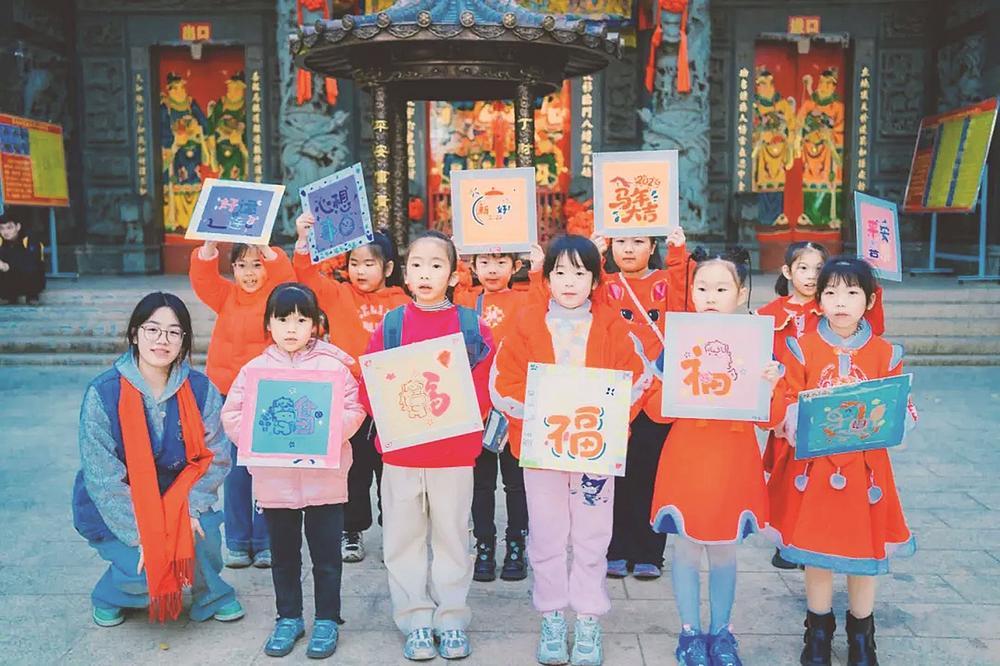
寻共同的姓 过团圆的年——“话百家姓 过中国年”活动助力两岸同胞心灵契合
Xin Lang Cai Jing· 2026-02-22 21:01
Core Viewpoint - The cultural event themed "Talking about Surnames and Celebrating the Chinese New Year" serves as a bridge connecting the blood ties and cultural identity of compatriots across the Taiwan Strait, emphasizing the importance of surnames in fostering unity and shared heritage [1][5]. Group 1: Cultural Significance of Surnames - Surnames are not only markers of lineage but also foundational elements of cultural identity, acting as a bridge for emotional connections between compatriots on both sides of the Taiwan Strait [1][4]. - The event highlights the deep-rooted cultural practice of seeking one's roots, which is intrinsic to the Chinese identity, reinforcing the notion that surnames are vital in maintaining familial and cultural connections [2][3]. Group 2: Historical Context - The migration of many Taiwanese ancestors from Fujian during the Ming and Qing dynasties established a strong connection between Taiwanese surnames and their origins in mainland China, with family genealogies serving as tangible evidence of this bond [2][3]. - The historical significance of surnames is illustrated through personal anecdotes, such as the story of the Lin family, which reflects the enduring ties between Taiwan and the mainland [2]. Group 3: Contemporary Cultural Exchange - Recent years have seen surname culture exchanges become a vibrant aspect of cross-strait relations, rooted in the everyday lives and cultural upbringing of Chinese people [4][6]. - The event's enthusiastic reception underscores the unbreakable ties and shared sentiments among compatriots, with symbolic items like red envelopes and bookmarks serving as reminders of this connection [5][6]. Group 4: Future Aspirations - The phrase "Seeking Common Surnames, Celebrating Reunion" encapsulates the spirit of the event, symbolizing the hope for unity and cultural revival among Chinese people [6]. - The innovative expressions of surname culture, such as videos and music, are aimed at engaging younger generations, ensuring the continuity of this cultural heritage into the future [6].
十载长号声 吹响两岸家的和弦
Zhong Guo Xin Wen Wang· 2026-02-18 02:43
Core Viewpoint - The article highlights the personal and professional journey of Wang Heliang, a Taiwanese musician who has spent ten years in Ningbo, China, emphasizing the cultural and familial ties that have developed over this period [1][4]. Group 1: Personal Journey - Wang Heliang has established a stable career and family life in Ningbo, having moved there in 2016 to join the Ningbo Symphony Orchestra [1]. - He expresses a deep connection to the city, noting its rapid development and the convenience of modern living, which he associates with happiness [1]. - The musician's life has evolved from pursuing dreams alone to building a family, reflecting a shift in focus towards family life after becoming a father in 2023 [2]. Group 2: Cultural Exchange - Wang Heliang actively promotes cultural exchange between Taiwan and mainland China, encouraging Taiwanese youth to pursue opportunities in the mainland [3]. - He believes that music serves as a vital link for emotional communication among the younger generation, strengthening the bonds between people from both sides of the Taiwan Strait [4]. - His experiences represent a broader narrative of Taiwanese individuals successfully integrating into mainland society, contributing to both personal and professional growth [4].
福建元素亮相总台春晚
Xin Lang Cai Jing· 2026-02-17 23:50
Group 1 - The 2026 Spring Festival Gala featured performances from various local talents, including representatives from Zhangzhou and Ningde, showcasing cultural heritage and community spirit [1] - The public service short film "Welcoming Spring Together" highlighted the cultural connections between Fujian Zhangzhou and Taiwan, emphasizing the shared heritage of approximately 40% of Taiwanese compatriots having ancestral roots in Zhangzhou [1] - Zhangzhou is recognized as the "Hometown of Chinese Narcissus," with a history of over 500 years in cultivating narcissus flowers, contributing to 90% of the national supply [1] Group 2 - Liu Minghua, a notable figure from Ningde, has delivered over 6,800 speeches on red culture and local stories since 2014, gaining significant acclaim [2] - Xiamen musical theater actress Li Weiling performed in the program "Congratulations," bringing her extensive experience as a musical theater performer and vocal teacher to the gala [2]
(新春见闻)十载长号声 吹响两岸家的和弦
Xin Lang Cai Jing· 2026-02-17 09:07
Core Viewpoint - The article highlights the personal and professional journey of Wang Heliang, a Taiwanese musician who has spent ten years in Ningbo, China, emphasizing the cultural and familial connections between Taiwan and the mainland [1][5]. Group 1: Personal Journey - Wang Heliang has established a stable career and family life in Ningbo, feeling a deep connection to the city [1][3]. - He moved to Ningbo in 2016 after hearing about job opportunities with the Ningbo Symphony Orchestra, reflecting on the city's welcoming atmosphere and rapid development [2][3]. - Over the past decade, he has built a life that includes a wife, a child, and a thriving music career, viewing Ningbo as his second hometown [3][4]. Group 2: Cultural Exchange - Wang emphasizes the unique cultural ties between Taiwan and the mainland, noting the growth of professional orchestras in China and the opportunities they present [2][5]. - He actively promotes Ningbo and mainland China to his friends in Taiwan, hoping to inspire more Taiwanese youth to pursue their dreams on the mainland [4][5]. - Music is described as a vital medium for fostering emotional connections between the younger generations of both sides, enhancing the bonds of kinship and cultural exchange [5].
研学年味浓 两岸情更深
Xin Lang Cai Jing· 2026-02-15 23:22
Group 1 - The event "2026 Horse Year New Spring · Cross-Strait Youth Research Experience Camp" gathered 37 young participants from both sides of the Taiwan Strait in Xiamen, focusing on cultural exchange and learning [2] - The activities combined Taiwanese community-building experiences with the revitalization of traditional Minnan architecture, showcasing creativity in every detail from design to atmosphere [2] - Traditional Minnan children's games were transformed into tasks for the event, including stilt walking, hoop rolling, and throwing pots, fostering collaboration among participants [2] Group 2 - Participants expressed joy and satisfaction with the activities, highlighting the fun and educational aspects of learning traditional Chinese culture through hands-on experiences [3] - The event included a dumpling-making session, which resonated with participants as a familiar New Year tradition, enhancing the cultural connection [3] - The collaboration with Jimei University's Chengyi College provided professional guidance and cultural explanations, enriching the educational experience [2]
(新春走基层)重庆台盟开展新春走访活动 以姓氏文化为媒共叙两岸亲情
Xin Lang Cai Jing· 2026-02-13 07:02
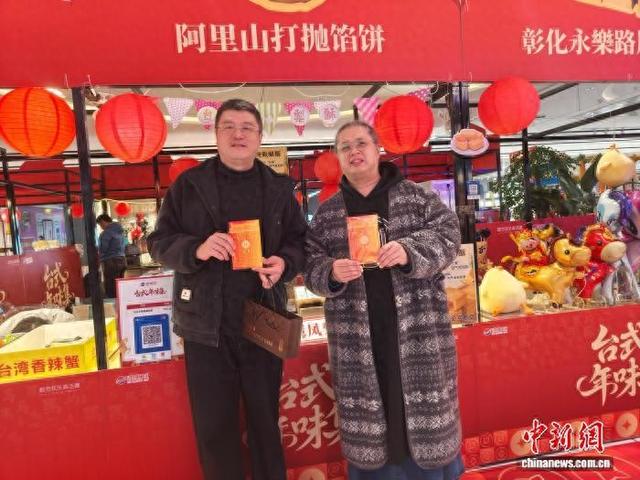
Core Viewpoint - The article highlights the efforts of the Taiwan Democratic Self-Government League in Chongqing to promote cultural ties between Taiwan and the mainland through the distribution of "surname culture" themed gift bags, fostering emotional connections among Taiwanese businesspeople and representatives in Chongqing [1]. Group 1: Cultural Significance - The "surname culture" gift bags serve as a bridge to connect the feelings of compatriots from Chongqing and Taiwan, emphasizing the shared cultural heritage [1]. - The initiative aims to enhance cultural exchanges between the two regions, with a focus on the historical significance of surnames as a common cultural code among Chinese people [2][5]. Group 2: Personal Testimonials - Taiwanese coffee master Tsai Shang-chun expressed appreciation for the personalized gift bag, which includes information about the origin and notable figures of the Tsai surname, highlighting the importance of cultural roots [2]. - Huang Jinsheng, a Taiwanese businessman in Chongqing, noted that the gift bag symbolizes the deep cultural imprint shared across the Taiwan Strait, reinforcing the sentiment of "two sides of the same family" [5]. - Xu Pei, a former vice president of the National Taiwan Federation, reflected on her family's migration history upon receiving the gift bag, emphasizing the significance of cultural identity and the need for more activities promoting surname and genealogy culture [6]. Group 3: Future Initiatives - The Taiwan Democratic Self-Government League in Chongqing plans to continue exploring surname and genealogy cultural resources to deepen grassroots exchanges between the two sides, aiming to strengthen the spiritual bond through traditional Chinese culture [6].
书画迎新春:百余件两岸贺岁艺术作品在台北展出
Xin Hua She· 2026-02-06 13:51
Core Viewpoint - The first "Taiwan Han Paper Cross-Strait Artists Spring Couplets, New Year Paintings, and Comics Exhibition" opened in Taipei, showcasing over a hundred works from artists across the Taiwan Strait, aiming to enhance the festive atmosphere for the upcoming Year of the Horse [1][2]. Group 1: Exhibition Details - The exhibition features a 20-meter long and over 1-meter wide long scroll of rice paper, with more than 20 hanging works on red rice paper, creating a celebratory ambiance [1]. - The event is organized by Taiwan Han Paper Technology Co., Ltd., with support from various cultural organizations, including the Taiwan Chinese Cultural Development Promotion Association and the Chinese Comic Artists Association [1]. Group 2: Cultural Significance - The chairman of Taiwan Han Paper Technology Co., Ltd., Sun Di, expressed the hope that the exhibition would allow more Taiwanese, especially the youth, to appreciate the charm of traditional Chinese culture and promote frequent exchanges between artists from both sides of the Strait [1]. - The exhibition includes calligraphy works conveying New Year wishes, as well as traditional and folk-inspired New Year paintings, reflecting warmth and cultural heritage [1]. - The chairman of the Chinese Calligraphy Art Foundation in Taiwan, Lian Shengyan, emphasized the shared cultural roots of both sides and the importance of continuing cultural exchange activities to promote traditional Chinese culture [2]. Group 3: Exhibition Duration - The exhibition will last for one month, concluding on March 6 [3].
北方昆曲剧院在台展演《牡丹亭》
Xin Lang Cai Jing· 2026-02-05 19:12
Core Viewpoint - The Northern Kunqu Opera Theatre recently held three performances in Taipei and Kaohsiung, showcasing classic excerpts from Kunqu works such as "The Peony Pavilion," "The Green Tomb," and "The Peddler," allowing audiences to experience the charm of Kunqu art up close [1] Group 1 - The series of performances was co-hosted by the Cross-Strait Peaceful Exchange Association, the Beijing Theatre Criticism Society, and the Taiwan Jingkun Arts Promotion Association [1] - Each performance featured actors from the Taiwan Jingkun Arts Promotion Association, highlighting the different interpretations of Kunqu by performers from both sides of the Taiwan Strait [1] - The event attracted a large number of opera enthusiasts, with full attendance at the performances [1] Group 2 - Audience members noted that the actors from the Northern Kunqu Opera Theatre presented a singing style distinct from local Taiwanese Kunqu performances, providing a refreshing experience [1] - Impressive martial arts movements during the performances left the audience in awe [1] - Dou Qiang, Vice President of the Beijing Theatre Criticism Society, stated that the collaboration between cross-strait Kunqu actors revitalized classic plays and reflected the shared cultural roots and connections between the two sides [1]
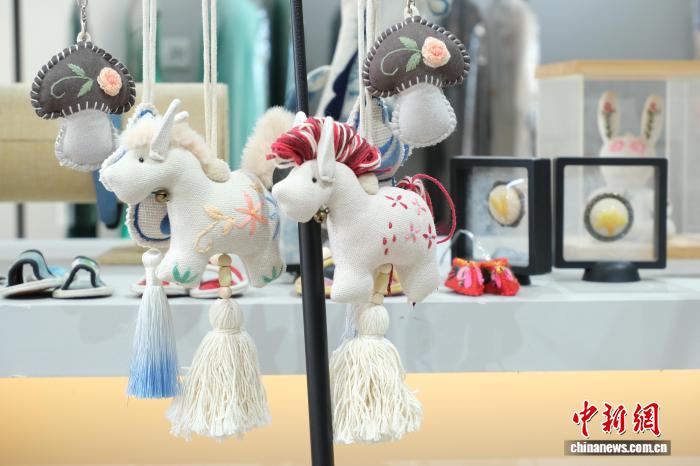
云南千年彝绣小马销量破万 超三成销往台湾
Zhong Guo Xin Wen Wang· 2026-02-03 11:38
Core Viewpoint - The article highlights the growing popularity of Yi embroidery products, particularly the small horse pendants, as a cultural symbol and gift for the upcoming Year of the Horse, with significant sales to Taiwan [1][2]. Group 1: Yi Embroidery Products - The Yi embroidery workshop in Nanhua County has produced over 3,000 small horse pendants for orders from Taiwan, with sales exceeding 10,000 pieces, over 30% of which are sold to Taiwan [1][2]. - Nanhua County has a history of over 1,800 years in Yi embroidery, and has developed more than 800 embroidery designs in recent years, exporting to markets in France and Italy [2]. Group 2: Cultural Significance and Innovation - Yi embroidery serves as a cultural symbol that connects the two sides of the Taiwan Strait, with the Yi fire pattern representing light and hope, symbolizing a prosperous life [2]. - The "Yi Embroidery+" initiative aims to leverage e-commerce and offline exhibitions to expand markets, including Taiwan, while fostering closer ties between people on both sides through shared cultural memories [3]. Group 3: Educational and Creative Collaborations - The cross-strait Yi embroidery art and creative competition, initiated by several universities and the Nanhua County government, has been held for three consecutive years, attracting thousands of students and resulting in the transformation of outstanding works into cultural products [2]. - The competition has injected innovative energy into local enterprises and has led to the creation of cultural products that blend Yi embroidery with Taiwanese cultural elements, such as postcards and bookmarks [2].