页岩油气

Search documents
美股异动 | 美国页岩油气行业再现大型并购 Coterra Energy(CTRA.US)获戴文能源(DVN.US)收购 前者跌超1.7%
智通财经网· 2026-02-02 15:02
Core Viewpoint - Coterra Energy's stock price declined over 1.7% following Devon Energy's announcement of a $21.4 billion all-stock acquisition of the company, marking one of the largest oil and gas deals in recent years [1] Group 1: Acquisition Details - Devon Energy will acquire Coterra Energy in an all-stock transaction valued at approximately $21.4 billion [1] - Coterra Energy shareholders will receive 0.7 shares of Devon stock for each share they own [1] - The merged entity will retain the Devon name, with current CEO Clay Gaspar continuing to lead the company [1] Group 2: Strategic Implications - The transaction is expected to close in the second quarter of this year and is projected to generate about $1 billion in pre-tax synergies [1] - The merger will enhance both companies' positions in the Permian Basin, the largest oil field in the United States, with a combined production exceeding 1.6 million barrels of oil equivalent per day [1] - The enterprise value of the combined company is estimated to be around $58 billion [1]


交易已清零,中方不肯买了!特朗普叫嚣,要拉27国对华加税100%!
Sou Hu Cai Jing· 2025-09-17 09:02
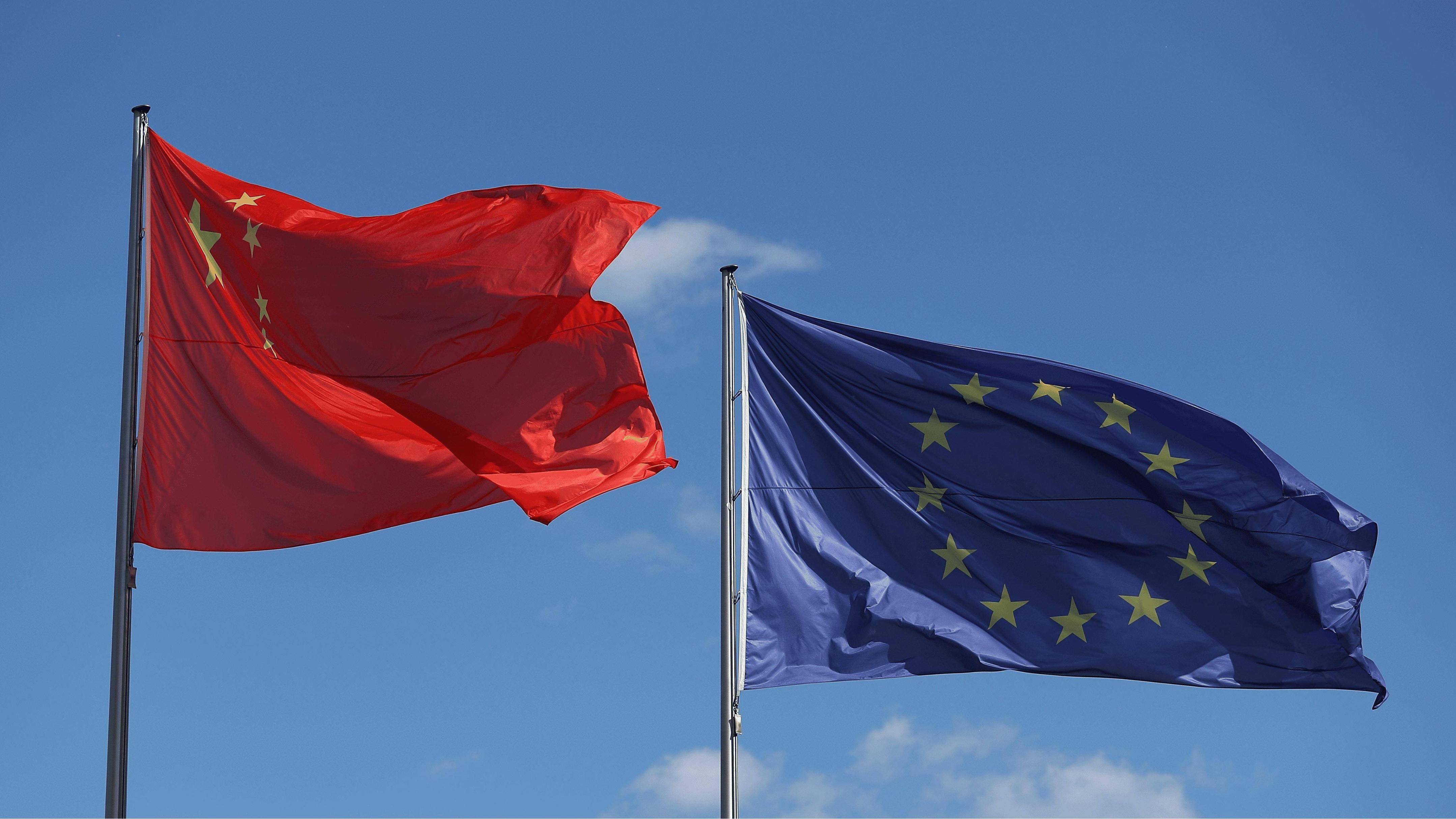
Group 1 - The core viewpoint is that the energy trade between China and the U.S. has experienced a dramatic decline, with imports dropping from millions of tons to less than one ton per month, highlighting a deep crisis in the U.S. energy industry [3][7]. - In July, China's energy imports from the U.S. fell below one ton, marking the lowest level since 2018, with a significant drop in liquefied natural gas purchases starting in March and a complete halt in crude oil orders by June [7][11]. - The U.S. energy sector is facing a chain crisis as China diversifies its energy supply sources, taking advantage of discounted Russian energy and establishing stable partnerships with countries like Saudi Arabia and Qatar [11][13]. Group 2 - The Trump administration has resorted to imposing tariffs, threatening to raise tariffs on all Chinese goods by 100% and considering a 200% tariff if China restricts rare earth exports, while attempting to form a tariff alliance with the EU [15][17]. - Internal divisions within the EU regarding the implementation of U.S. tariffs on China are evident, with countries like Hungary and Poland opposing the move, and Germany and France expressing concerns over their economic dependencies on the Chinese market [15][17]. - The assessment indicates that if the EU follows the U.S. in imposing tariffs, it could lead to devastating impacts on key sectors such as the automotive and aviation industries in Germany and France, reinforcing the impracticality of decoupling from China [17].