《一街人生》

Search documents
迈向跨界融合的“大文学”时代
Ren Min Ri Bao Hai Wai Ban· 2026-01-14 22:50
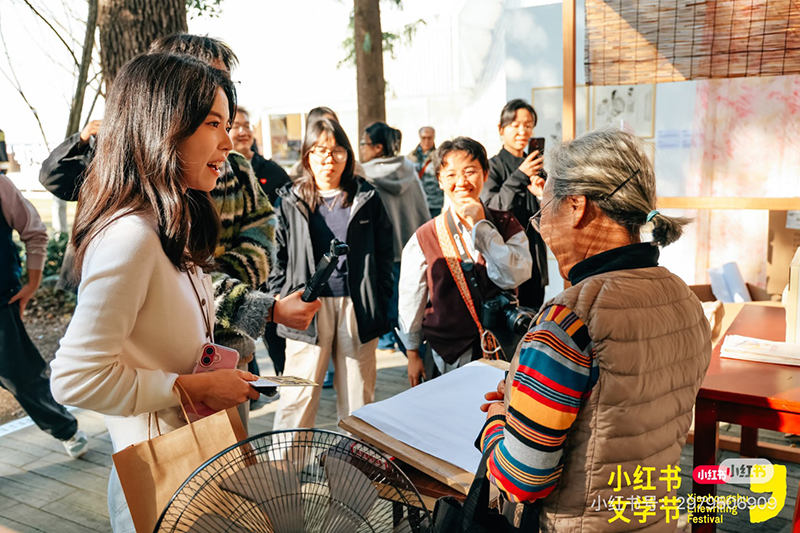
Core Viewpoint - The emergence of "New Popular Literature" signifies a shift where the general public becomes the main creator of new cultural narratives, influenced by digitalization and technological advancements [20][33]. Group 1: New Popular Literature - "New Popular Literature" was recognized as one of the "Top Ten New Words of 2025," highlighting the role of the public in cultural creation [20]. - The rise of digital media, including mobile internet and AI, has unleashed a vast amount of creative potential among ordinary authors [20][33]. - The phenomenon of "amateur writing" has gained traction, with various authors from different backgrounds contributing unique narratives [21][34]. Group 2: Impact of AI on Literature - The integration of AI in writing has sparked discussions about the nature of literary creation and the unique qualities that define human authorship [10][11]. - The coexistence of human and AI-generated literature raises questions about the future of writing and the preservation of human experiences in storytelling [10][11]. Group 3: Notable Literary Works and Themes - The year 2025 saw a surge in literature focusing on historical themes, particularly related to the Anti-Japanese War, reflecting a collective memory and cultural identity [16][19]. - Works like "The Sea Wind" and "Peach Blossom Dock" explore the experiences of individuals during wartime, emphasizing the resilience and spirit of the people [17][19]. - The literary landscape is enriched by diverse narratives that address contemporary issues, such as the struggles of ordinary people and the complexities of human relationships [13][14][30]. Group 4: The Role of Individual Experience - Authentic personal experiences and emotional impulses are highlighted as essential elements for creating impactful literature, which AI cannot replicate [11][12]. - The exploration of individual narratives, such as those from ordinary workers and their life stories, contributes to a richer understanding of society [21][34]. Group 5: Future Directions in Literature - The evolving literary scene calls for a reevaluation of traditional literary boundaries, encouraging cross-genre experimentation and collaboration with other media [25]. - The concept of "Big Literature" emerges as a response to the changing cultural landscape, aiming to connect literature with broader social contexts [25].

从磨豆腐到写作绘画,70岁农村女性笔下的人间疾苦
Di Yi Cai Jing· 2025-12-01 01:16
Core Viewpoint - The article highlights the inspiring journey of Xiao Fengyu, a rural woman from Guangxi, who, after facing significant personal hardships, found solace and purpose in writing and painting, ultimately achieving recognition at the Xiaohongshu Literature Festival [1][3][18]. Group 1: Personal Struggles and Transformation - Xiao Fengyu faced severe personal challenges, including health issues and the loss of her brother, which led her to a low point in life [1][6]. - Encouraged by her daughter, she began to write and paint, using these mediums to reflect on her life experiences [1][5]. - Her writing captures the struggles of her childhood, her arduous work life, and the emotional scars she carries, resonating with many readers [5][6]. Group 2: Recognition and Impact - At the Xiaohongshu Literature Festival, Xiao Fengyu received a jury award, showcasing her work among 27,000 submissions from 44 countries [1][3]. - Her writing, characterized by its authenticity and emotional depth, has touched many young readers, leading them to connect with her life story [5][14]. - Xiao Fengyu's narrative reflects the resilience of rural women and has garnered her a community of followers who appreciate her perspective [5][17]. Group 3: Writing as a Healing Process - Writing and painting have become therapeutic for Xiao Fengyu, allowing her to process her past and find peace in her later years [6][18]. - She emphasizes the importance of expressing one's life experiences through writing, viewing it as a means of connection and understanding [15][18]. - Xiao Fengyu's journey illustrates how creativity can serve as a powerful tool for healing and self-discovery, especially for those from marginalized backgrounds [18].