《世界上所有的夜晚》

Search documents
谁不曾有风雪弥漫的时刻
Ren Min Ri Bao· 2025-12-16 22:30
Core Viewpoint - The author reflects on the significance of fiction in their writing, emphasizing its role in exploring imagination and personal experiences, particularly influenced by the natural environment of their upbringing. Group 1: Fiction and Personal Experience - The author dedicates approximately 80% of their work to fiction, viewing it as a realm of imagination that allows for creative exploration [1] - The influence of nature, particularly the harsh winters, is a recurring theme in the author's works, deeply embedded in their identity and storytelling [1] - Ten selected short stories are highlighted as representative of the author's journey, each reflecting a connection to their roots and the natural world [1] Group 2: Specific Works and Themes - "Friends Come to See the Snow" is noted for its nostalgic elements, capturing childhood memories and the essence of familial relationships [2] - "The Graveyard of White Snow" is a poignant reflection on loss, particularly the author's grandmother, intertwining personal grief with the imagery of snow [2] - "The People Who Gather Berries" illustrates the contrast between wisdom and folly in understanding nature's cycles, emphasizing the importance of timing in harvesting [5] Group 3: Symbolism and Cultural Reflections - "Snow Curtain" depicts a poignant encounter on a train, symbolizing the barriers between people and the emotional weight of solitude [6] - "Stewing Horse Boots" connects historical context with survival themes during harsh winters, showcasing resilience in adversity [7] - "Talia Snowy Night" explores themes of love and loss, reflecting on the enduring impact of relationships even after separation [7]
汉学家见证中国“文学村庄”之变
Ren Min Ri Bao Hai Wai Ban· 2025-07-30 22:09
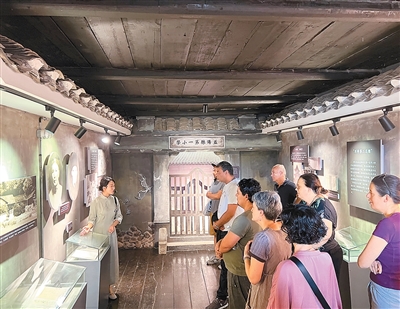
Core Points - The event "Discovering Qingxi on the World Literary Map" was held in Qingxi Village, featuring 12 sinologists and literary translators from 11 countries, alongside 9 writers from Hunan, promoting cultural dialogue [6][12] - Qingxi Village, known for the writer Zhou Libo, has developed a model of cultural tourism integration, attracting significant visitor numbers and revenue [9][12] - The preservation of Zhou Libo's former residence and the establishment of a signature book collection museum highlight the village's literary heritage [9][10] Group 1 - The event showcased the literary achievements of contemporary Chinese writers and included a donation of translated works from various sinologists to the village [11][12] - The village has become a hub for literary resources, featuring 22 writer-themed bookstores and the largest collection of signed contemporary Chinese literature [10][12] - The cultural significance of Zhou Libo's works, particularly "The Great Change of Mountain Villages," is recognized internationally, with translations available in multiple languages [7][9] Group 2 - The integration of literature and local culture in Qingxi Village is exemplified by the vibrant literary elements present throughout the area, leaving a deep impression on visiting scholars [12][13] - The event facilitated discussions on the challenges of translating Chinese literature for international audiences, emphasizing the importance of cultural context [13][14] - The contributions of translators in bridging cultural gaps were highlighted, with several contemporary Hunan writers experiencing success in international markets [14]