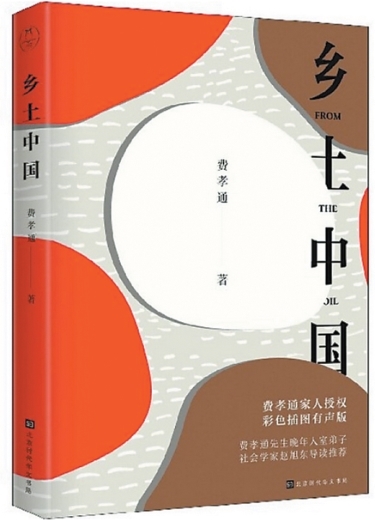
《乡土中国》

Search documents
北科大推荐!这些“年货”值得一看!
Xin Lang Cai Jing· 2026-02-03 05:25
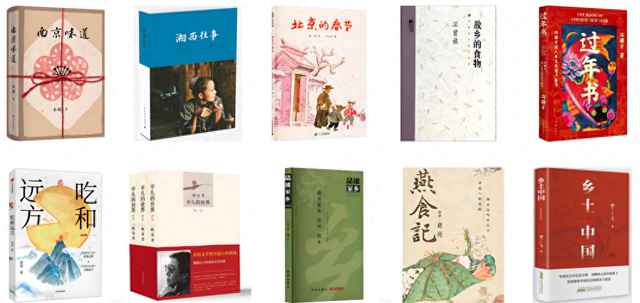
Core Viewpoint - The articles highlight the significance of traditional Chinese New Year celebrations and recommend various books that capture the essence of "Nian Wei" (the flavor of the New Year) through personal memories, culinary traditions, and cultural practices [1][3][19]. Group 1: Memory of Home - The warmth of family gatherings during the New Year is emphasized, showcasing how these moments are cherished and remembered [3]. - "Ordinary World" by Lu Yao depicts the New Year celebrations in a rural setting, illustrating the emotional connections and growth of characters through festive traditions [4][6]. - "Beijing's Spring Festival" by Lao She captures the vibrant atmosphere of New Year in old Beijing, evoking nostalgia and joy associated with traditional celebrations [8]. Group 2: Culinary Traditions - "Hometown Food" by Wang Zengqi reflects on the rich culinary heritage associated with New Year, highlighting various traditional dishes that evoke feelings of nostalgia [12]. - "Nanjing Flavors" by Yu Bin describes the unique culinary experiences of Nanjing during the New Year, emphasizing the warmth and community spirit of the city [14]. - "Eating and the Faraway" by Cheng Lei connects family stories with food, illustrating how meals serve as vessels for cherished memories and relationships [16]. Group 3: Cultural Significance - "New Year Book: Feng Jicai on the Cultural Heritage of Spring Festival" explores the deeper cultural meanings behind New Year customs, emphasizing the importance of preserving these traditions [19][21]. - "Rural China" by Fei Xiaotong discusses the cultural logic behind New Year practices, shedding light on the significance of family reunions and social structures during the festival [22][24]. - "Reading Hometown: Same Hometown in Different Places" delves into the emotional connections tied to regional dialects and traditions during the New Year [27].

阅读点亮我的人生(文化中国行·人文观察)
Ren Min Ri Bao· 2026-02-01 02:40
Core Viewpoint - The article emphasizes the transformative power of reading in shaping individuals' lives and perspectives, highlighting its role in personal growth and cultural understanding [6][18]. Group 1: Importance of Reading - Reading is portrayed as a vital activity that enriches individuals' inner worlds and provides strength in challenging times [10][21]. - The implementation of the "National Reading Promotion Regulations" aims to enhance the legal framework for building a reading society, fostering a culture of reading [6][18]. Group 2: Personal Experiences with Reading - Various authors share their personal journeys, illustrating how reading has influenced their life choices and career paths, such as becoming educators or cultural workers [15][16][19]. - The narratives reflect on the impact of specific books and authors, demonstrating how literature can inspire and guide individuals through different life stages [15][19]. Group 3: Cultural and Historical Context - The evolution of Chinese drama and literature is discussed, showcasing the blend of romanticism and realism throughout history, which has been a source of inspiration for many artists [9][10]. - The article highlights the importance of understanding cultural heritage through reading, as it connects individuals to their roots and broadens their worldview [9][10][19].
理解乡土,才能读懂中国(一起读经典)
Ren Min Ri Bao· 2025-10-30 22:37
Core Insights - The book "Rural China" by Fei Xiaotong is a significant work in understanding traditional Chinese society and culture, emphasizing the relationship between people and land, familiarity among individuals, and the importance of personal relationships [2][5][6] Group 1: Key Themes in "Rural China" - The relationship between people and land is central to traditional rural China, where agriculture shapes community life and social structures [5] - Familiarity among individuals in rural settings leads to a culture where face-to-face communication is preferred over written communication [5] - The concept of "differential mode of association" illustrates how personal relationships are structured, with stronger ties among familiar individuals and weaker ties with strangers [5] Group 2: Observations on Cultural Characteristics - "Rural China" offers an external perspective on Chinese society, highlighting enduring cultural traits such as rural essence, differential mode of association, and moral governance [6] - Despite changes over time, the deep-rooted characteristics of rural culture remain significant, suggesting that traditional values persist even amidst modernization [6][8] - The transformation of rural society is accelerated by globalization and technological advancements, leading to new opportunities for rural development [7][8] Group 3: Fei Xiaotong's Legacy - Fei Xiaotong's lifelong pursuit was to improve the livelihoods of Chinese farmers, emphasizing the importance of stable family ties and urban-rural coordination [8] - His work reflects a commitment to bridging the gap between academic scholarship and the realities of everyday life, making his insights accessible to a broader audience [9] - The ongoing relevance of "Rural China" demonstrates its ability to engage new generations in understanding the complexities of rural life in China [9]