《恶缘》

Search documents
又一部恶女复仇的韩剧火了
Di Yi Cai Jing· 2025-12-14 10:52
Core Viewpoint - "Dear X" is a significant entry for the South Korean streaming platform Tving as it marks its first foray into the global market, showcasing a dark narrative that explores the rise of a female character shaped by trauma and revenge [4][5]. Group 1: Overview of "Dear X" - "Dear X" is based on a popular webtoon and directed by Lee Eung-bok, known for his work on hit dramas, which has contributed to its initial success [4]. - The series has topped new paid user contributions for five consecutive weeks and ranks highly among global OTT platforms, indicating strong viewer engagement [4]. - The protagonist, Baek Ah-jin, portrayed by Kim Yoo-jung, presents a stark contrast between her innocent appearance and her ruthless ambition, embodying the "evil woman" trope prevalent in recent Korean dramas [3][5]. Group 2: Themes and Character Analysis - The character Baek Ah-jin is depicted as having a complex psychological profile, shaped by childhood trauma and abuse, leading to her development of an antisocial personality [5][7]. - The narrative draws parallels with other works, such as Higashino Keigo's "Byakuyako," emphasizing the dark aspects of human nature and the consequences of a traumatic upbringing [5]. - Kim Yoo-jung's performance has been critically acclaimed for capturing the duality of her character, showcasing both innocence and malice [7][8]. Group 3: Trends in Korean Dramas - The rise of "evil woman" narratives in Korean dramas reflects a shift in storytelling, moving away from traditional "good female lead" archetypes to more complex characters driven by revenge and personal growth [11]. - Recent successful dramas like "The Glory" have set a precedent for this genre, highlighting societal issues such as bullying and the struggles of women in patriarchal settings [9][10]. - The portrayal of female characters with traumatic backgrounds challenges conventional moral narratives, inviting viewers to empathize with their journeys while questioning societal norms [11][12].


全球对抗长剧疲惫
3 6 Ke· 2025-04-29 08:21
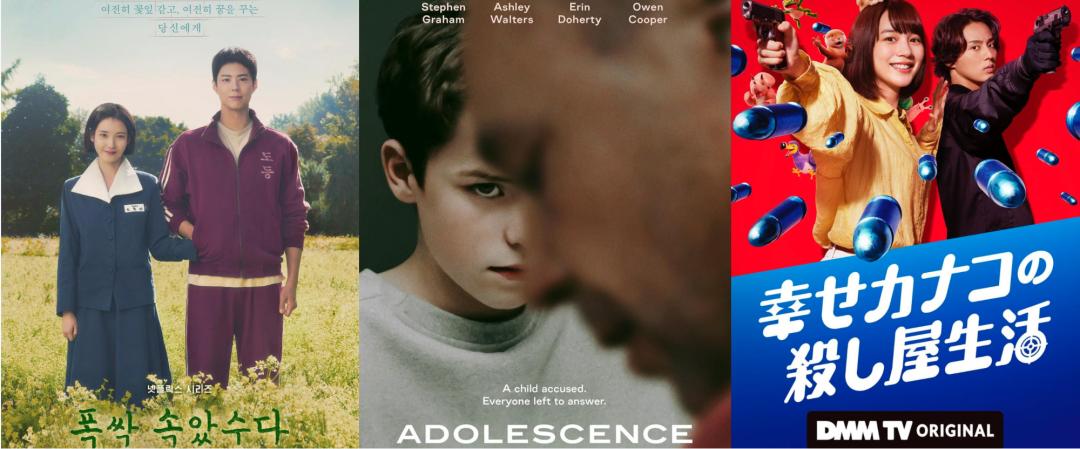
Group 1 - The core focus of the long video industry is shifting from content inventory to content strategy, with a significant emphasis on the trend of shortening series and episodes [1] - Data indicates that the average number of episodes for broadcast and planned series is expected to drop to around 28 episodes in 2024, reflecting a broader industry adjustment due to financial constraints [1] - The transition from long series to shorter formats is becoming a necessity, with mini-series being seen as an evolutionary endpoint in this trend [1] Group 2 - The mini-series format has faced challenges in the domestic market, with many high-profile projects failing to meet expectations, indicating that simply reducing episode count does not guarantee success [3] - International series, particularly from the UK and Japan, have successfully adapted to shorter formats, with typical episode counts dropping to around 10, showcasing a different approach to storytelling [3] - The immersive experience created by international series often stems from high information density, which keeps viewers engaged despite the presence of competing entertainment options [4] Group 3 - The narrative techniques employed in international series, such as continuous shots and non-linear storytelling, enhance viewer engagement and emotional connection with characters [5][8] - Recent successful series have utilized innovative storytelling methods to challenge viewers' attention and cognitive engagement, pushing them to invest more in the narrative [6] - Korean dramas have also evolved by incorporating contemporary themes into traditional storytelling formats, reflecting current societal issues while maintaining audience interest [10][13] Group 4 - Long series are increasingly viewed as a high-cost entertainment option, necessitating more substantial content to justify viewer investment in terms of time and attention [10] - Successful long series have focused on revealing insights into contemporary issues, such as workplace dynamics and societal challenges, thereby enhancing their relevance [11][19] - The ability of long series to foster discussion and create consensus on social issues distinguishes them from short series, which often cater to individual viewer preferences [17] Group 5 - The emotional depth and complexity of long series allow them to address universal themes of human experience, contrasting with the more immediate gratification offered by short series [21] - The narrative approach of long series, which emphasizes character development and relational dynamics, resonates with audiences across diverse cultural backgrounds [21] - The industry recognizes the need for long series to evolve in response to changing viewer expectations, focusing on deeper themes of pain and hope to enhance their artistic value [21]