《南京浩劫:被遗忘的大屠杀》

Search documents
铭记历史,凝聚奋进的力量——2025年南京大屠杀死难者国家公祭仪式侧记
Xin Hua Ri Bao· 2025-12-13 23:05
Core Viewpoint - The commemoration of the Nanjing Massacre victims serves as a reminder of historical atrocities and emphasizes the importance of peace and remembrance in contemporary society [2][6]. Group 1: Commemoration Ceremony - The national memorial ceremony for the Nanjing Massacre victims took place at the Nanjing Massacre Memorial Hall, attended by approximately 8,000 representatives from various sectors [2]. - A total of 3,000 doves were released during the ceremony, symbolizing peace and remembrance for the victims [2]. - The event marked the 12th National Memorial Day for the Nanjing Massacre victims, established by legislation in 2014 to honor the memory of 300,000 compatriots [2][3]. Group 2: Survivor Stories and Legacy - The ceremony featured testimonies from survivors, including 91-year-old Liu Minsheng, who shared his traumatic experiences from the massacre [2]. - As of this year, only 24 registered survivors remain, highlighting the urgency of preserving their stories for future generations [2]. - Descendants of survivors, such as Hu Jingya, are actively working to pass down the historical narrative through education and storytelling [3]. Group 3: Artistic and Cultural Initiatives - An exhibition titled "Casting Souls and Reflecting History" was inaugurated, showcasing sculptures and documents donated by artist Wu Weishan, which serve as a poignant reminder of the past [4][5]. - The 2025 Nanjing International Peace Poster Biennale was also launched, featuring over a hundred posters that express the desire for peace through design [5]. Group 4: International Cooperation and Memory - The event included participation from international representatives, emphasizing the global significance of remembering the Nanjing Massacre as a shared human experience [6][7]. - Donations of historical materials from descendants of foreign humanitarian figures, such as John Rabe's family, were made to the memorial, reinforcing the importance of international solidarity in remembering history [7].
一个人、一座馆,一段永不忘却的证言(侨·博物馆⑨)
Ren Min Ri Bao Hai Wai Ban· 2025-09-21 22:47
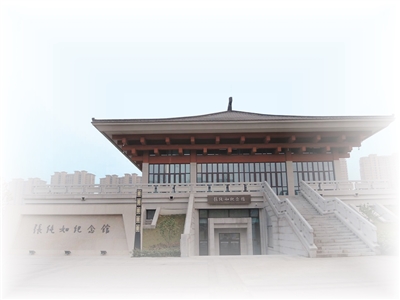
Core Points - The article highlights the establishment of the Zhang Chunru Memorial Hall in Huai'an, Jiangsu Province, dedicated to the memory of Zhang Chunru, a Chinese-American writer who brought attention to the Nanjing Massacre through her work "The Rape of Nanking: The Forgotten Holocaust of World War II" [1][2] - The memorial hall aims to preserve Zhang Chunru's legacy and ensure her story continues to resonate, serving as a space for education and reflection on historical truths [4][6] Group 1: Zhang Chunru's Contributions - Zhang Chunru's research and advocacy for the Nanjing Massacre began in 1994, leading to significant discoveries, including the publication of the "Rabe Diary," which documented the atrocities [2][3] - Her methodology involved extensive archival research and interviews with survivors, mirroring the approach taken by the memorial hall's preparation team [2][4] - The memorial hall's establishment is seen as a tribute to Zhang Chunru's lifelong commitment to uncovering historical truths and advocating for justice [4][6] Group 2: Memorial Hall's Design and Philosophy - The design of the memorial hall emphasizes creating a narrative space that evokes emotional resonance and critical thinking, rather than a simple biographical display [6][7] - The exhibition is structured around three perspectives: the identity of Zhang Chunru, her contributions, and her lasting impact, integrating evidence from victims, perpetrators, and international witnesses [6][7] - The hall spans 1,000 square meters and features six major exhibition sections that collectively narrate Zhang Chunru's fight for historical truth [6][7] Group 3: Ongoing Activities and Impact - Since its opening, the memorial hall has engaged in various educational activities, attracting thousands of visitors annually and fostering a sense of patriotism among youth [8] - The hall has established annual commemorative traditions and has hosted numerous events, including summer camps for overseas Chinese youth, promoting historical awareness [8] - The memorial hall continues to serve as a platform for dialogue and education, collaborating with international scholars and educators to discuss historical issues [8]