《回家》

Search documents
“野生作家”王璐琪:虐待产生忠诚,爱会长出自由
Hu Xiu· 2025-09-29 09:46
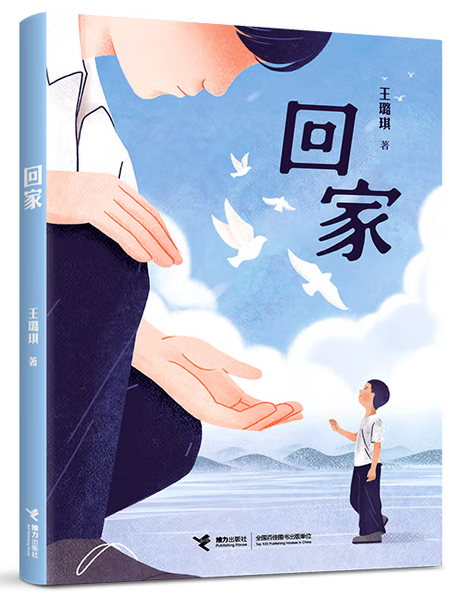
Core Viewpoint - The novel "Going Home" by Wang Luqi explores the complex emotional landscape of children who have been abducted and later reunited with their biological families, highlighting the lasting trauma and emotional conflicts they face. Group 1: Story Overview - The protagonist, Qin Song, is abducted at the age of 3 years and 4 months and later returns to his biological parents at the age of 11, but the story does not present a happy ending [2][18]. - Wang Luqi emphasizes that the experiences of abducted children leave deep psychological scars, making it difficult for them to lead normal lives [3][28]. Group 2: Character Development - Qin Song's journey includes being raised by a new family, the Jin family, where he develops a bond with them, complicating his feelings towards both families [17][28]. - The novel illustrates the emotional conflict faced by children like Qin Song, who may develop attachments to their abductors, creating tension with their biological families [30][32]. Group 3: Themes and Social Commentary - The narrative addresses societal issues such as the preference for male children, as seen in the Jin family's treatment of Qin Song, which reflects broader cultural attitudes [40][56]. - Wang Luqi critiques the superficial nature of the Jin family's care for Qin Song, suggesting it is more about control than genuine love [33][63]. Group 4: Author's Perspective - Wang Luqi shares her personal reflections on the emotional weight of writing about such difficult subjects, revealing her struggles with guilt and the desire to address uncomfortable truths [91][93]. - The author identifies as a "wild" writer, having taken an unconventional path in her literary career, which influences her storytelling style [84][98].

舒淇导演作品冲“金狮”,贾樟柯开讲大师课,中国元素点亮威尼斯
Huan Qiu Shi Bao· 2025-08-26 23:09
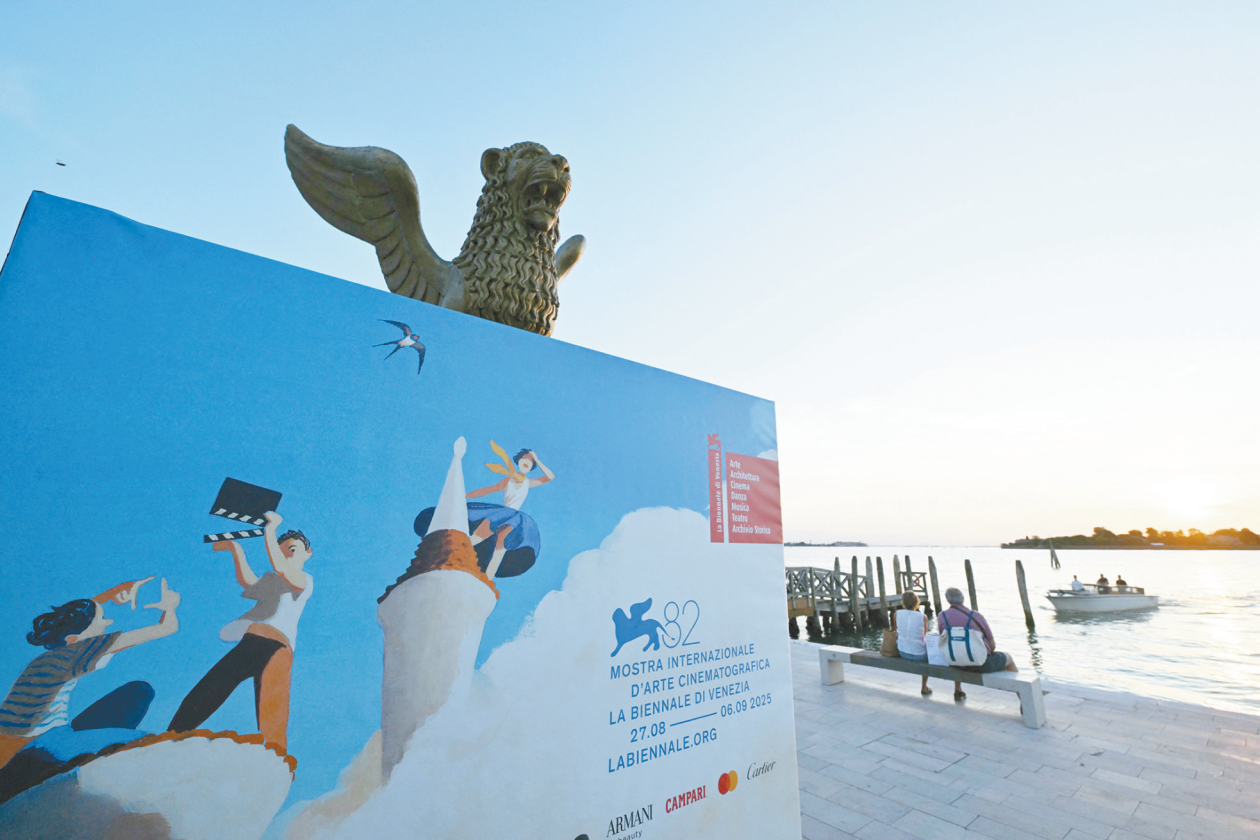
Group 1 - The 82nd Venice International Film Festival will take place from August 27 to September 6, featuring a strong lineup of films and renowned directors, with notable Chinese works and filmmakers highlighted [1][3]. - The film "Girl," directed by Shu Qi, is competing for the Golden Lion and explores the impact of family on individual identity through the story of a girl named Lin Xiaoli [3]. - Another Chinese film, "Daylight," directed by Cai Shangjun, also competes for the Golden Lion, telling the story of former lovers reuniting after seven years, revealing hidden pasts related to crime [3]. Group 2 - Tony Leung, a recipient of the Lifetime Achievement Award at the Venice Film Festival, stars in the Hungarian film "Silent Friends," which tells three stories related to a tree over a century [4]. - Tsai Ming-liang's new documentary "Home" is included in the non-competition section, focusing on a Laotian man who left his homeland [4]. - Zhao Tao is serving as a judge in the main competition, alongside other international filmmakers, while director Jia Zhangke will hold a masterclass at the festival [4]. Group 3 - This year's Lifetime Achievement Award will be presented to German filmmaker Werner Herzog, with Francis Ford Coppola personally presenting the award at the opening ceremony [5]. - A total of 21 films are competing for the Golden Lion, including politically themed works such as Olivier Assayas' "The Kremlin's Magician" and Kathryn Bigelow's "White House Down" [5]. - The average runtime of the films this year is between 2 hours and 15 minutes to 2 hours and 30 minutes, presenting challenges for scheduling [5].