
业态创新

Search documents
张勇重掌CEO后,海底捞开始“拆解”自己
虎嗅APP· 2026-03-26 00:27
Core Viewpoint - The article discusses the financial performance and strategic transformation of Haidilao International Holding Ltd. in the context of increasing competition in the restaurant industry, highlighting a shift towards multi-brand expansion, operational innovation, and organizational restructuring [4][5]. Financial Performance - In 2025, Haidilao reported total revenue of 43.225 billion yuan, a year-on-year increase of 1.1%, maintaining a scale above 100 billion yuan. However, net profit decreased to 4.042 billion yuan, indicating pressure on short-term profits as the company seeks a second growth curve [4][5]. - The dining business faced significant challenges, with restaurant operating income dropping from 40.398 billion yuan in 2024 to 37.543 billion yuan in 2025, a decrease of 7.1%, and its share of total revenue shrinking from 94.5% to 86.9% [7][8]. Operational Challenges - The number of self-operated restaurants decreased from 1,355 to 1,304, with 51 closures due to underperformance or relocation. New openings slowed, with only 79 new self-operated restaurants launched [8]. - The overall table turnover rate fell from 4.1 times per day to 3.9 times, with customer visits declining by 7.5% to 384 million [8][9]. Differentiated Operations - To alleviate pressure on dining, Haidilao implemented differentiated operations, completing over 200 themed restaurant renovations and expanding into niche markets such as fresh-cut stores and pet-friendly restaurants [8][11]. - The average per capita consumption slightly increased to 97.7 yuan, but the growth was minimal, indicating a reluctance to raise prices amid fierce competition [9]. Franchise Model and "Pomegranate Plan" - The number of franchise restaurants surged from 13 to 79, with franchise revenue reaching 270 million yuan, accounting for 0.6% of total revenue, marking a significant increase [11]. - The "Pomegranate Plan" aims to diversify operations, with 20 sub-brands and 207 restaurants, achieving a revenue increase from 480 million yuan to 1.52 billion yuan, a growth of 214.6% [11][12]. Delivery Business Growth - The delivery segment showed remarkable growth, with revenue rising from 1.25 billion yuan to 2.66 billion yuan, a year-on-year increase of 111.9%, and its share of total revenue increasing from 2.9% to 6.1% [14]. - Increased investment in delivery operations was noted, with promotional expenses rising by 294 million yuan, indicating that growth was driven by strategic investment [15]. Cost Management - The cost of raw materials and consumables increased from 16.21 billion yuan to 17.53 billion yuan, representing 40.5% of revenue, while employee costs slightly decreased from 14.11 billion yuan to 14.07 billion yuan, indicating improved labor efficiency [16]. Leadership Changes - Zhang Yong resumed the role of CEO in January 2026, marking a strategic shift as the company transitions towards a technology-driven and multi-brand operational model [20][21]. - The restructuring aims to leverage Haidilao's extensive operational experience and data to enhance efficiency and support multi-brand expansion [22]. Strategic Outlook - The company is at a critical juncture, choosing between maintaining its core brand's service excellence or fully committing to multi-brand and digital transformation [23][24]. - The success of this transformation will depend on the progress of the intelligent middle platform, the efficiency of the multi-brand matrix, and the impact of the franchise model on brand value [23].


国办印发《加快培育服务消费新增长点工作方案》 | 激活文旅消费有了新方向
Sou Hu Cai Jing· 2026-02-02 05:51
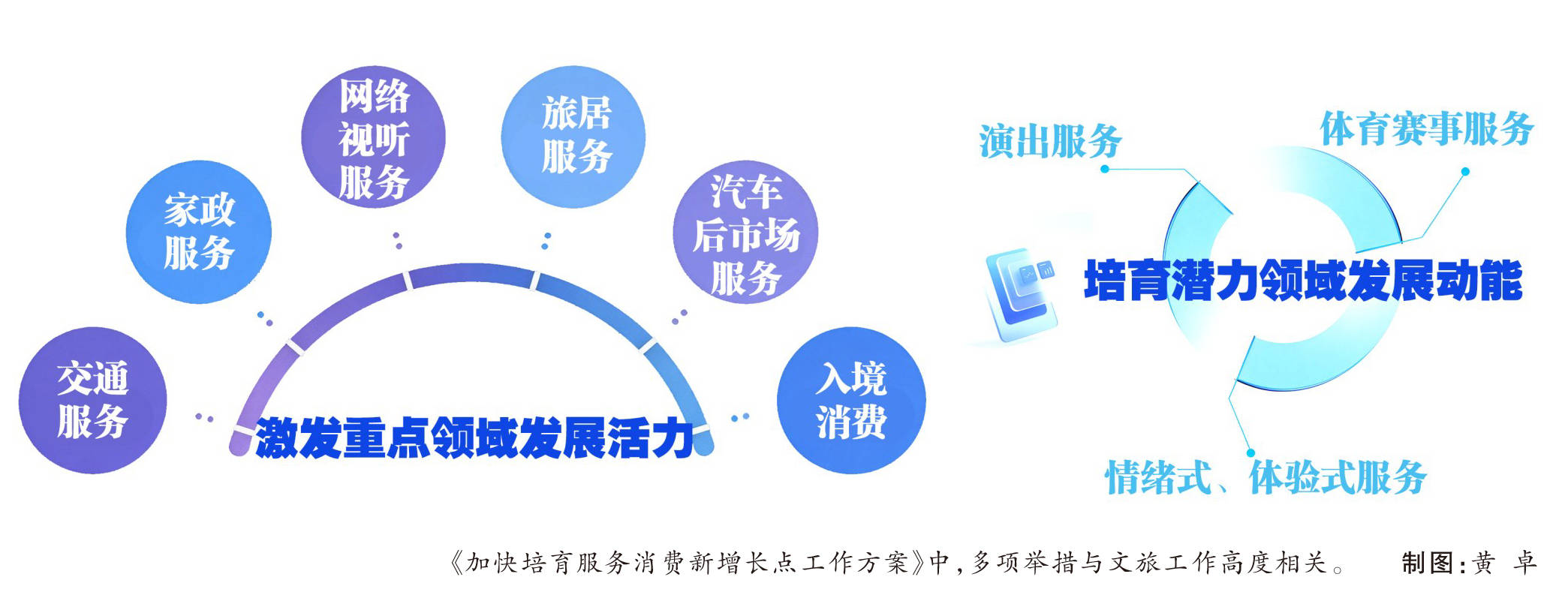
Core Viewpoint - The State Council's recently issued "Work Plan for Accelerating the Cultivation of New Growth Points in Service Consumption" focuses on enhancing the vitality of key sectors, fostering potential areas of development, and strengthening support measures, specifically targeting the cultural and tourism consumption sector to promote high-quality development [3][16]. Group 1: Policy Focus - The plan emphasizes service consumption as a new engine for domestic demand, aligning with the overall trend of consumption upgrading and providing clear directions for cross-industry integration and efficiency enhancement in the cultural and tourism sectors [4][17]. - The plan includes 12 specific measures aimed at invigorating the cultural and tourism consumption sector, which is characterized by high frequency, strong multiplier effects, and green low-carbon attributes [5][18]. Group 2: Implementation and Support - The plan proposes comprehensive support measures in areas such as financial backing, standard system construction, and credit system improvement to ensure the cultivation of new growth points in cultural and tourism consumption [6][9]. - It calls for enhanced financial support, urging financial institutions to increase their backing for the cultural and tourism sectors, which is expected to optimize investment structures and accelerate product innovation [6][9]. Group 3: Local Practices and Innovations - Various regions have actively explored integration paths in areas like transportation and tourism, sports events, and rural tourism, accumulating replicable experiences that validate the potential of cultural and tourism consumption [7][8]. - For instance, the integration of railway and tourism in Kunming has become a significant driver for regional cultural and tourism consumption, with new themed tourist trains set to launch [7]. - In Zhejiang, the "Zhe BA" basketball tournament is being used as a pilot to explore the deep integration of sports events and cultural tourism, projecting a consumption boost exceeding 3 billion yuan [8]. Group 4: Future Directions - The plan aims to create a new consumption landscape characterized by multi-field integration, multi-scenario engagement, and participation from various stakeholders, further unlocking the potential of cultural and tourism consumption [10]. - Experts suggest that effective collaboration among government, enterprises, and financial institutions is crucial for realizing the plan's objectives, with recommendations for businesses to actively engage with policy resources and financial support [9].
供销大集集团股份有限公司 2025年度业绩预告
Zheng Quan Ri Bao· 2026-01-30 23:44
Core Viewpoint - The company expects a negative net profit for the fiscal year 2025, primarily due to the impact of a declining commercial real estate market and increased asset impairment losses [1][2]. Group 1: Performance Forecast - The performance forecast period is from January 1, 2025, to December 31, 2025, with an anticipated net profit in the negative range [1]. - The company completed the acquisition of 51% of Beijing New Cooperation Commercial Development Co., Ltd. in April 2025, which requires retrospective adjustments to the previous year's financial data [1]. Group 2: Reasons for Performance Changes - The company is focusing on the synergistic development of its three main businesses: commercial operations, trade logistics, and commodity trading, with steady revenue and optimized expenses [2]. - The decline in the commercial real estate market has led to a significant drop in the fair value of investment properties, resulting in increased losses compared to the previous period [2]. - The company has increased asset impairment provisions for inventory, goodwill, and other long-term assets, contributing to the ongoing loss for the reporting period [2]. Group 3: Other Relevant Information - The performance forecast is based on preliminary estimates and has not been audited by an accounting firm; final data will be disclosed in the audited financial report for 2025 [3]. - The company has designated specific media for information disclosure, including various financial newspapers and an official website [3].

青海外贸从“速度领先”向“量质齐升”转变
Xin Lang Cai Jing· 2026-01-17 17:41
Core Insights - Qinghai's foreign trade is experiencing rapid growth, leading the nation in growth rates, but the total volume remains relatively small, indicating a need for improvement in the province's industrial outward orientation and value chain advantages [1] - The Qinghai Provincial Department of Commerce plans to implement three core measures: industrial upgrading, business model innovation, and nurturing key players to transition foreign trade from "speed leading" to "quality and quantity improvement" [1] Group 1: Industrial Upgrading - The focus is on transforming the previous model that primarily exported raw materials to one that extends into high-tech and high-value-added terminal segments [1] - In the salt lake chemical sector, efforts will be made to support the export of high-value fine chemicals such as battery-grade lithium carbonate and high-purity magnesium chloride [1] - In the renewable energy sector, leading companies will be supported to move from exporting battery cells to higher-value products like modules and energy storage systems [1] Group 2: Business Model Innovation - The integration of "industrial belt + cross-border e-commerce" will be deepened, with the establishment of specialized online industry halls in Xining and Haidong [2] - There will be a push for the construction of overseas warehouses, encouraging companies to set up intelligent overseas hubs in Belt and Road Initiative countries and key RCEP markets [2] - The aim is to cultivate benchmark enterprises in foreign trade services to provide comprehensive digital services for SMEs, significantly lowering the barriers and costs of international operations [2] Group 3: Nurturing Key Players - An external trade entity doubling plan will be initiated, establishing a gradient cultivation database for enterprises and implementing tailored guidance [2] - There will be a focus on enhancing collaboration among various departments, including customs and tax authorities, to address common challenges such as export tax refund acceleration and cross-border settlement facilitation [2] - The goal is to create a stable, fair, transparent, and predictable international business environment, encouraging enterprises to venture abroad and promoting diversified, high-quality development of Qinghai's foreign trade [2]
今日快评|元旦消费“开门红”里跳动着鲜明的新字诀
Xin Lang Cai Jing· 2026-01-04 15:39
Core Viewpoint - The consumer market in Henan has shown strong performance during the New Year holiday, indicating a solid start for consumption promotion in the year ahead [1][3]. Group 1: Consumer Market Performance - During the three-day New Year holiday, Henan received 17.437 million domestic tourists, generating a tourism revenue of 8.99 billion yuan, with a year-on-year increase of 3.2% in visitor numbers and 4.1% in revenue compared to the same period in 2025 [1]. - The holiday consumption serves as an important indicator of market vitality, with Henan's market experiencing a vibrant start to the year [1]. Group 2: Policy and Innovation - The implementation of a trade-in policy for consumer goods on January 1 has stimulated large-scale consumption, with subsidies of 15% for energy-efficient home appliances and up to 500 yuan off digital products [1][4]. - The focus on policy innovation aims to expand subsidies to include home renovations and elderly-friendly modifications, ensuring that consumer incentives reach a broader range of scenarios [4]. Group 3: New Consumption Trends - New types of consumption have emerged, with various shopping districts in Zhengzhou featuring popular IP photo spots and trendy markets, attracting significant public engagement [2]. - The integration of leisure and cultural tourism has been enhanced, with various scenic spots offering unique winter activities, transforming "cold resources" into "hot economies" [2]. Group 4: Economic Impact and Future Directions - The overall tourism order volume in Henan on New Year's Day saw a 100% year-on-year increase, positioning the region as a leader in cultural tourism recovery [3]. - The strong consumer market is supported by a robust supply chain, with over 2,600 large-scale food enterprises contributing to consumption upgrades [3]. - Future strategies should focus on creating an ecosystem of consumption that integrates various sectors, including tourism, commerce, and technology, to enhance consumer experiences [4][5].
家家悦:部分募集资金投资项目延期
2 1 Shi Ji Jing Ji Bao Dao· 2025-12-09 10:54
Core Viewpoint - The company has announced a postponement of the completion dates for its "Chain Supermarket Renovation Project" and "Yangting Shopping Plaza Project" from December 2025 to December 2027 due to intensified competition in the retail industry and changing consumer demands [1] Group 1: Project Details - The "Chain Supermarket Renovation Project" will involve an investment of 203 million yuan, funded by proceeds from a public offering of convertible bonds, aimed at upgrading the supermarket [1] - The "Yangting Shopping Plaza Project" will require an investment of 50 million yuan, financed through a private placement of shares for the construction of the shopping plaza [1] Group 2: Market Context and Strategic Adjustments - The postponement is attributed to the increasing competition in the retail sector since 2024, along with a trend towards quality, personalization, and experiential consumption among consumers [1] - The company is adjusting the project timelines to better align with market changes, focusing on continuous innovation in business formats, store adjustments, and supply chain transformations [1] Group 3: Impact on Operations - The delay only affects the implementation timeline of the projects, with no changes to the overall objectives, investment content, usage, or implementing entities [1] - The postponement is not expected to have a substantial impact on the company's current operations and will not alter the intended use of the raised funds, ultimately benefiting the efficiency of fund utilization and project quality, ensuring the company's long-term healthy development [1]

城乡遗产保护的“中国智慧”,在《城乡历史文化遗产保护与可持续发展》中被看见
Yang Zi Wan Bao Wang· 2025-12-09 02:47
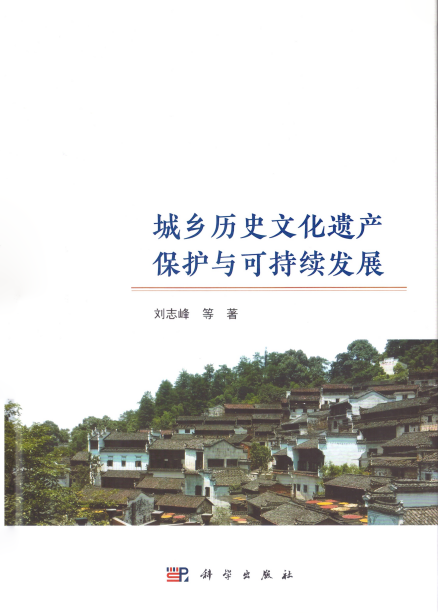
Core Viewpoint - The book "Urban and Rural Historical and Cultural Heritage Protection and Sustainable Development" addresses the need for balancing heritage protection with urban and rural development, emphasizing the importance of cultural transmission and high-quality development for the future [1] Group 1: Theoretical Framework - The book constructs a comprehensive theoretical framework from macro to micro levels, providing a systematic approach to heritage protection that avoids the limitations of narrow research perspectives [3] - It analyzes the interconnections between different scales of heritage protection, linking city expansion, street aesthetics, and village spatial structures, thereby offering a holistic view of heritage management [3] Group 2: Sustainable Pathways - The core value of the book lies in its practical orientation, proposing actionable solutions for sustainable development that transition from mere preservation to active revitalization of heritage [4] - It discusses various methodologies for protection, such as dynamic protection and micro-renewal, while also exploring innovative strategies for activating heritage through cultural tourism and industrial synergy [5] Group 3: Applicability and Replicability - The book uses Jiangsu as a case study to reflect broader national issues in heritage protection, making its findings applicable and replicable across China [6] - The protection concepts and planning methods presented are deeply rooted in local practices and Chinese context, offering a framework that is not merely a transplant of foreign theories [6]
从三季报看中国经济:新消费潜力迸发
Jing Ji Ri Bao· 2025-11-17 00:03
Core Viewpoint - The third-quarter reports of listed companies reflect the resilience and vitality of China's consumer market, indicating a structural adjustment period in the consumption sector with both challenges and opportunities [1] Overall Recovery - The consumer sector shows a steady recovery overall, but there is uneven performance across different segments. Essential consumption remains stable, while discretionary consumption is experiencing a divide [2] - Essential consumption sectors like food and beverages are performing well due to their necessity, with leading companies showing stable revenue and profit growth [2] - The liquor industry, representing traditional high-end consumption, is under pressure, with major companies like Wuliangye and Luzhou Laojiao reporting significant declines in revenue and profit [2] - In contrast, the new energy vehicle industry is thriving, benefiting from policy support and product upgrades, becoming a key growth driver in the consumer sector [2] Channel Transformation - Traditional retail companies are accelerating their online transformation, integrating online and offline channels to capture market changes, with those embracing digitalization seeing growth [3] Cost Pressures - Global commodity prices remain high, putting pressure on raw material and logistics costs, which challenges the gross margins of mid-to-low-end consumer companies [4] - Companies that optimize product structures and improve supply chain efficiency are demonstrating stronger profitability and market competitiveness [4] Structural Highlights - A number of structural highlights are emerging, driving high-quality development in consumer-related listed companies through innovation in technology, business models, and consumer scenarios [5] - In the smart home sector, companies like Ecovacs and Haier are experiencing significant profit growth, with Ecovacs reporting a 131% increase in net profit [5] - The traditional consumption sector is exploring new business models, with companies like Kweichow Moutai and Mercury Home Textiles achieving double-digit growth through innovative product offerings [6] New Consumption Scenarios - Companies are actively transforming to capture new consumption trends, with firms like Golden Dragon Fish and Miaokelando reporting substantial profit increases due to cost improvements and channel optimization [8] - The consumer market is becoming increasingly segmented, with new brands focusing on specific demographics and scenarios, such as new-style tea drinks and pet economy products [8] - Domestic brands are gaining market share and showing strong performance in sectors like sportswear and beauty products, driven by cultural confidence and supply chain advantages [8] Market Dynamics - The consumer market is undergoing structural upgrades, with recovery being uneven due to factors like income expectations and regional disparities [9] - Companies with strong brand barriers and unique market advantages are favored by capital, while those embracing new trends and product iterations can still find growth opportunities [9] - The competition is shifting from traditional versus new consumption to the operational efficiency and strategic vision of different companies within the same industry [9] High-Quality Development - The recovery trend in China's consumer market is moving from total growth to structural optimization, with companies encouraged to focus on high-quality development through innovation [10]






新消费潜力迸发
Jing Ji Ri Bao· 2025-11-16 21:52
Core Insights - The third-quarter reports of listed companies reflect the resilience and vitality of China's consumer market, indicating a structural adjustment period with both challenges and opportunities [1] Overall Recovery - The consumer sector shows a steady recovery overall, but there is uneven performance across different segments. Essential consumption remains stable, while discretionary consumption is experiencing a divide [2] - Essential consumption sectors like food and beverages are performing well due to their necessity, with leading companies showing stable revenue and profit growth. For instance, Wuliangye reported a 52.66% year-on-year decline in Q3 revenue to 8.174 billion yuan, and a 65.62% drop in net profit to 2.019 billion yuan [2] - In contrast, the new energy vehicle industry is thriving, benefiting from policy support and product upgrades, becoming a key growth driver in the consumer sector [2] Channel Transformation - Traditional retail companies are accelerating their online transformation, integrating online and offline channels. Companies that embrace digitalization are capturing the benefits of this channel transformation [3] Cost Pressures - Global commodity prices remain high, putting pressure on raw material and logistics costs, which challenges the gross margins of mid-to-low-end consumer companies. Companies that optimize product structures and improve supply chain efficiency are showing stronger profitability [4] Structural Highlights - A number of structural highlights are emerging, driving high-quality development in consumer-related listed companies through innovation in technology, business models, and consumer scenarios [5] - In the smart home sector, companies like Ecovacs and Haier are experiencing significant profit growth, with Ecovacs reporting a 131% year-on-year increase in net profit [5] Innovation in Business Models - Traditional consumption sectors are exploring new business models, with companies like Kweichow Moutai and Water Mercury Home Textiles achieving double-digit growth through innovative product offerings and marketing strategies [6] New Consumption Scenarios - Companies are actively transforming to capture new consumption trends, with firms like Golden Dragon Fish and Miaokelando reporting significant profit increases due to cost improvements and channel optimization [8] - The rise of domestic brands is notable, with many achieving excellent performance in revenue growth and market share, particularly in sectors like sportswear and beauty products [8] Market Dynamics - The consumer market is undergoing structural upgrades, with disparities in recovery driven by factors such as income expectations and consumer confidence. Companies with strong brand barriers and unique market advantages are favored by capital [9] - The competition is intensifying among quality sectors, with a focus on operational efficiency and strategic vision. Companies that adapt to new trends and innovate their product offerings are likely to find growth opportunities [10]
江苏盱眙:烟火升腾处,消费焕新生
Ren Min Ri Bao· 2025-11-10 22:34
Core Insights - The article highlights the transformation of Xuyi County, known for its crayfish, into a vibrant consumer hub through cultural and economic initiatives [1][2][3] Group 1: Consumer Demand and Policy Initiatives - Xuyi County has effectively aligned consumer demand with market supply, leading to significant increases in consumption during key events such as the Spring Festival and the Dragon Festival, with ticket sales reaching 30,000 for the crayfish banquet [1] - The county has implemented targeted policies, including the distribution of 2 million yuan in consumption vouchers, which have stimulated an increase in consumption by 350 million yuan across various sectors [1] - Promotional activities, such as the "You Consume, I Reward" campaign, attracted over 30,000 participants and generated 92 million yuan in consumption [1] Group 2: Innovation in Business Models - Xuyi is shifting from merely meeting consumer needs to actively leading consumption trends, with initiatives like the "Treasure Restaurant" selection that increased sales by 15% for participating establishments [2] - The integration of traditional retail with events like beer music festivals and heritage exhibitions has resulted in over 7 million visitors in the third quarter, with daily revenues increasing by 45,400 yuan [2] - The night economy is thriving, with food markets attracting an average of 7,000 visitors daily during holidays, generating over 2 million yuan in daily revenue [2] Group 3: Infrastructure and Economic Growth - The transformation of the former Haitong Times Square into "K Street" has created a new consumer space that combines food, culture, and entertainment, attracting 1.73 million visitors and generating over 27 million yuan in revenue in its first year [3] - "K Street" has become a model for integrating various sectors, including dining, tourism, and sports, showcasing the county's commitment to enhancing consumer experiences and driving industrial upgrades [3] - The overall strategy focuses on leveraging the crayfish brand to develop a multi-faceted economic ecosystem, enhancing consumer offerings and stimulating new consumption growth [3]