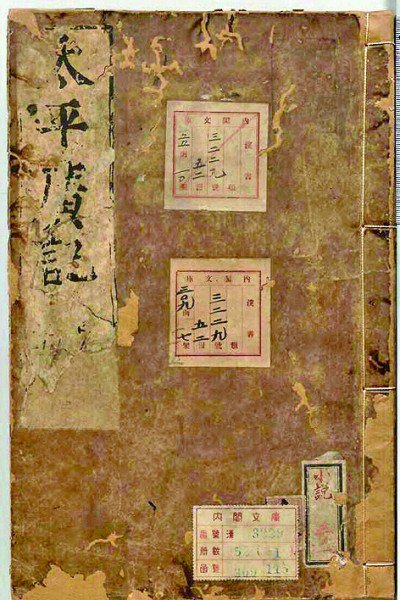
《太平广记》

Search documents
文化中国 | 推动燕赵文化绽放时代新韵
Xin Lang Cai Jing· 2026-01-04 04:33
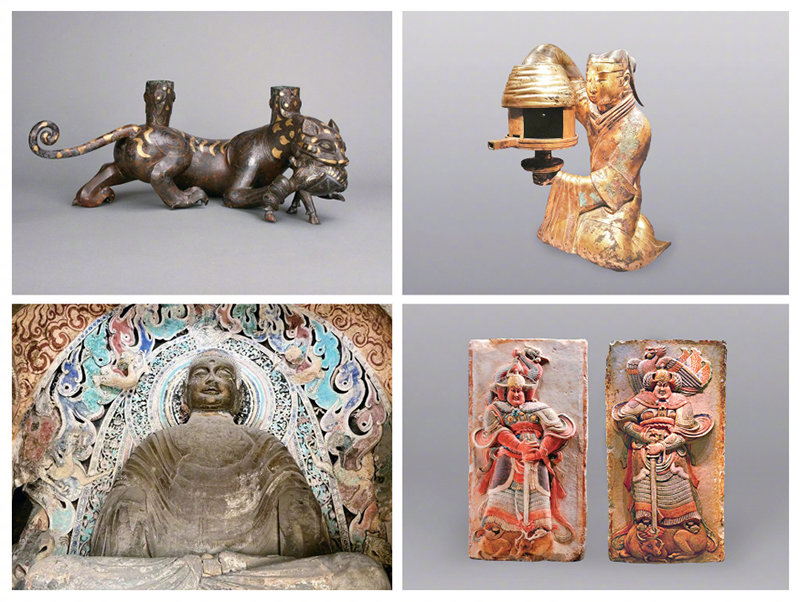
Core Viewpoint - The article emphasizes the importance of preserving, inheriting, and utilizing traditional Chinese culture, particularly focusing on the rich cultural heritage of Hebei province, which is integral to the Chinese civilization and national spirit [1]. Group 1: Cultural Heritage - Hebei is one of the important birthplaces of Chinese civilization, with a history that spans over two million years, showcasing a deep cultural lineage [2]. - The region's geographical position has allowed it to become a cultural corridor, fostering the integration of diverse cultural elements throughout history [2][3]. - The Great Wall and the Grand Canal are significant cultural symbols that have facilitated interaction and cultural exchange between agricultural and nomadic civilizations [3]. Group 2: Artistic Expression - The artistic and architectural imprints of Hebei reflect a blend of various cultural influences, showcasing the region's unique artistic style [4]. - Non-material cultural heritage, such as paper-cutting and traditional crafts, embodies the fusion of agricultural and nomadic artistic elements [4]. Group 3: Revolutionary Spirit - Hebei is recognized as a revolutionary land, having played a crucial role in the history of the Communist Party of China and the development of revolutionary culture [13]. - The region's revolutionary spirit is characterized by resilience and a commitment to the collective struggle for national independence and social justice [14][19]. Group 4: Cultural Development Initiatives - Hebei aims to strengthen its cultural identity by implementing various initiatives, including the protection of cultural heritage sites and the promotion of traditional arts [20][21]. - The province plans to enhance cultural tourism by integrating cultural elements into tourism development, thereby fostering a deeper connection between culture and economic growth [23].

《太平广记》
Xin Lang Cai Jing· 2025-12-25 19:23
Group 1 - "Taiping Guangji" is a large anthology of ancient novels compiled during the Northern Song Dynasty, consisting of 500 volumes and categorized into 92 major categories and over 150 subcategories [7] - The book includes a significant number of supernatural stories, with 55 volumes dedicated to deities, 15 to female deities, 33 to retribution tales, 25 to gods, and 40 to ghosts [7] - Many notable works from the Six Dynasties and Tang Dynasty have been preserved through "Taiping Guangji," including famous pieces like "Li Wa Chuan," "Wu Shuang Chuan," and "Huo Xiao Yu Chuan" [7] Group 2 - The anthology has had a considerable impact on the development of Chinese novels and dramas, with storytellers in the Southern Song Dynasty already familiar with "Taiping Guangji" [7] - Various novels and dramas from the Song, Yuan, Ming, and Qing Dynasties have drawn inspiration from the stories within "Taiping Guangji" [7] - Notable evaluations of "Taiping Guangji" highlight its comprehensive collection of novels from the Six Dynasties to the early Song Dynasty, making it a valuable resource for research [8]