《延安一月》

Search documents
赵超构为什么“少说为佳”
Xin Lang Cai Jing· 2026-02-08 07:09
赵超构先生 赵超构给高集的信 | 两院、以外 | 100 100 100 100 100 100 100 100 100 100 100 100 100 100 100 100 100 100 100 100 100 100 100 100 100 100 100 1000 100 | | | | | | --- | --- | --- | --- | --- | --- | | うって行わせるというとか - N. 254 . 3 放近。 | るコノネルで | | ದ್ಡಿ ್ರತ್ )ನ | 143 42 な | મુદ્ય | | 1 9 8 8 25 4 | 2 サンバイト・オートー | ಗಳನ್ನೆ ಪ್ರಾಂಸ இ | న్నిక్ ንጉ 272 cd. " Car | 男女儿 (2) 57) | P | | 1948-52 - 24 | క్నా ఒక్క రా 核心传 | ರ್ಥ | 162 | あな、アスタン | స్త్ర | | 。 2 -- 1-4-4 1-2 1-28 1. 2 500 500 100 | रेक्ट 18 阿 ત્ત્વ છ્ડા "马" (6)> | 有 State ...

历史无法尘封 记忆终将苏醒
Xin Lang Cai Jing· 2026-01-08 22:05
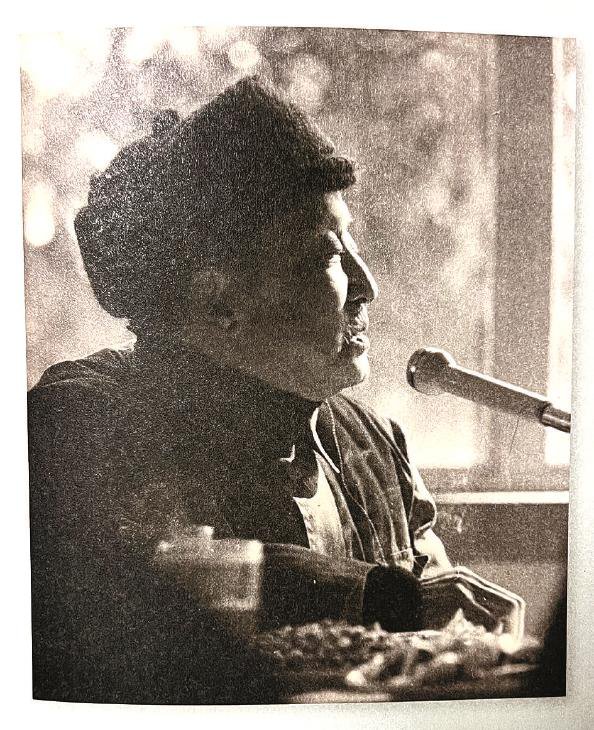
Core Viewpoint - The book "The Unsealable History: Notes on Collecting Anti-Japanese War Books" by Qian Niansun serves as a key to revisiting the collective memory of the Anti-Japanese War, providing a systematic review of rare books from that period and awakening national consciousness [3][4][12]. Group 1: Historical Perspectives - Anti-Japanese war literature offers multiple historical perspectives, including firsthand accounts from Chinese individuals, objective reports from foreign journalists, and internal Japanese strategic documents, creating a multidimensional view of history [4][5]. - The book "The Atrocities of the Japanese Army Witnessed by Foreigners" documents the Nanjing Massacre from a third-party perspective, serving as crucial evidence of Japan's war crimes [4]. - "The Secret History of Japanese Diplomacy in the Invasion of China" reveals the internal diplomatic conspiracies of Japan during the First Sino-Japanese War, providing insights into their aggressive strategies [5][6]. Group 2: Intellectual Resistance - Anti-Japanese literature not only records history but also serves as a weapon of resistance, with intellectuals using writing as a means to build a spiritual defense against invasion [7][8]. - Works like "The Development of Japan" and "Little Discussions" reflect the commitment of intellectuals to link academic work with national defense efforts during the war [7][8]. - The writings of Chen Duxiu during the war period express a strong patriotic sentiment and provide critical insights into the political landscape of the time [8]. Group 3: Cultural Mobilization - Popular literature aimed at the general public played a significant role in mobilizing national sentiment and resistance against the Japanese invasion [10][11]. - "The Anti-Japanese Three-Character Classic" uses traditional forms to convey urgent messages about the war, becoming a classic mobilization text [10]. - The publication of works celebrating national heroes aimed to inspire and rally the populace, combining historical narratives with contemporary needs for cultural mobilization [11]. Group 4: Collective Memory and Historical Preservation - The preservation and study of anti-Japanese war literature are vital for countering historical nihilism and retaining valuable historical memories [12][14]. - The writings from that era, including calls to action from figures like Feng Yuxiang, serve as reminders of the collective responsibility to remember and learn from history [13][14]. - Anti-Japanese war literature is viewed as an essential part of the national cultural gene pool, emphasizing the importance of digital preservation and dissemination of these historical materials [12][14].
采采流水 蓬蓬远春
Ren Min Ri Bao Hai Wai Ban· 2025-06-12 01:53
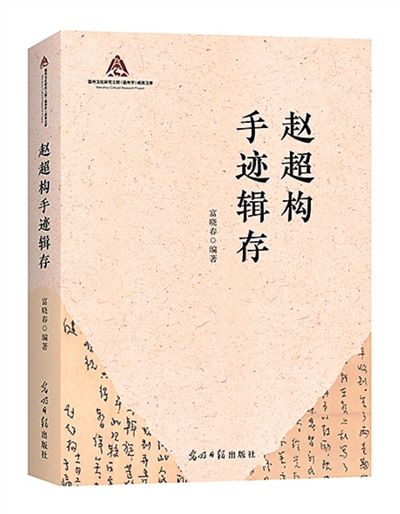
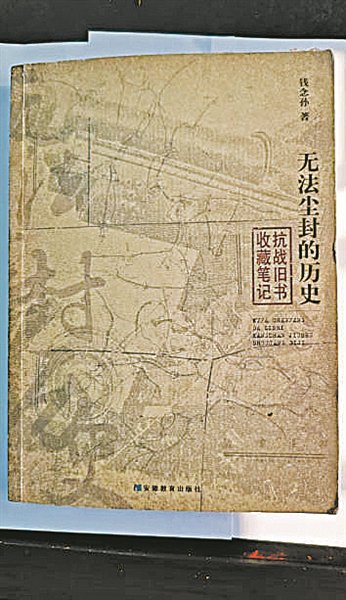
六年 都司22 因大 - 300 - 100 - hp 22 超级 一个人口 一十 コイコン 赵超构像 郑辛遥绘 100多年前,梧溪的清晨定然也是这样的,这样的景致永久定格在赵超构的脑海中。 赵超构1910年出生在梧溪,这是浙江省文成县西坑镇的一个山村,也是他的外婆家。赵家祖上家世显 赫,这成为村人闲聊时的一个话题。 赵超构手迹 今春,一场细雨使得梧溪山中的空气清新极了。闲适地悠游于深谷之间,远山滴翠,静水流深,农舍炊 烟袅袅升起…… 此情此景,使我蓦然想起,1954年春天,赵超构在写给同事霞光的题签中,抄录唐代司空图《诗品二十 四则·纤秾》中的句子:"采采流水,蓬蓬远春。窈窕深谷,时见美人。碧桃满树,风日水滨。柳阴路 曲,流莺比邻。" 一 在赵超构出生半个世纪后,文史学者富晓春在梧溪出生。儿时他即耳闻不少赵氏旧事,中年后更是痴迷 于赵超构研究。正是这种与生俱来的缘分,令他在完成了《报人赵超构》《赵超构书信往事》两本专著 后,又捧出了第三本著作《赵超构手迹辑存》。富晓春的手上还有更为宏大的《赵超构年谱》写作计 划,目前已经积累了六七十万字的初稿。《新民晚报》即将迎来百岁华诞,对"新民人"来说,这些都是 巨大的 ...