
《悬崖之上》

Search documents
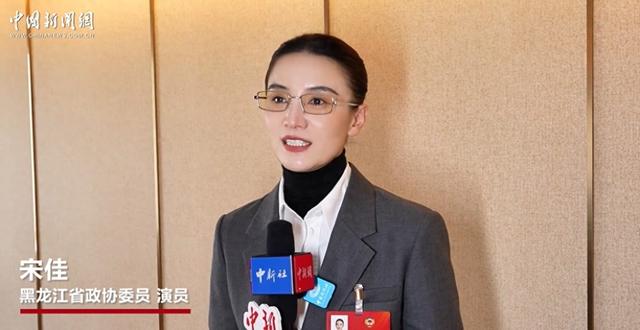
家乡是创作的根:演员宋佳、张译以黑龙江省政协委员身份回到家乡
Xin Lang Cai Jing· 2026-02-01 12:05
Group 1 - Song Jia expressed her commitment to her hometown of Heilongjiang, emphasizing her role as a member of the CPPCC to support local development [1][3] - Song Jia highlighted the deep connection she has with her homeland, referencing her roles in productions that reflect the spirit of Heilongjiang and its people [3] - Zhang Yi, also a member of the CPPCC, aims to leverage local resources to promote film and television projects that can benefit various industries [3][5] Group 2 - Zhang Yi noted significant improvements in the quality of life for residents in his hometown, expressing pride in being from Heilongjiang and promoting it to others [5] - Both actors have received notable accolades, with Song Jia winning Best Actress at the 38th China Golden Rooster Awards and Zhang Yi achieving a "Grand Slam" in Chinese cinema awards [3][6]

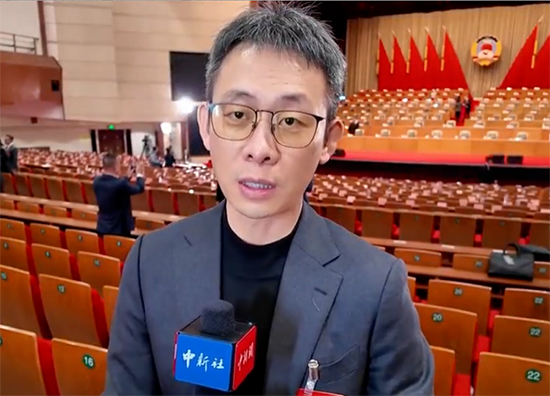
演员张译,有新身份
Xin Lang Cai Jing· 2026-01-30 23:52
Group 1 - The core viewpoint of the article highlights the participation of actor Zhang Yi as a member of the Heilongjiang Provincial Political Consultative Conference, where he aims to promote the development of film and television projects to benefit various industries [1] - Zhang Yi expresses pride in his hometown, noting significant improvements in the quality of life for local residents and encourages tourism to Heilongjiang [1] Group 2 - Zhang Yi, born on February 17, 1978, in Harbin, Heilongjiang, is a prominent Chinese actor known for his roles in various acclaimed productions [3] - His notable works include "My Regiment Leader My Regiment," "Dear," and "The Killer," with his recent performance in the hit drama "Crazy" receiving widespread acclaim [3] - Zhang Yi has achieved significant recognition in the film industry, winning multiple prestigious awards, including the Golden Rooster, Hundred Flowers, and Huabiao Awards, completing a "Grand Slam" in Chinese film performance [3]
年轻人是中国电影的未来(人文茶座)
Ren Min Ri Bao· 2026-01-02 22:11
Core Viewpoint - The evolution of Chinese cinema over the past 120 years reflects the spirit of the times and the dedication of filmmakers, emphasizing the importance of rooting artistic creation in reality and connecting with the audience [1][2]. Group 1: Development of Chinese Cinema - The journey of Chinese cinema has transitioned from silent films to sound, black and white to color, and traditional to digital formats, showcasing the collective effort of filmmakers [1]. - The integration of commercial films and art films is crucial for the growth of the film industry, particularly for young directors who should consciously explore this combination [2]. Group 2: Filmmaking Philosophy - Successful artistic creation must draw inspiration from social realities, as seen in works like "The 20th Article," which combines humor with serious legal themes to convey important messages [1]. - The exploration of various genres, such as suspense, war, and comedy, while infusing humanistic care and positive energy, is essential for innovative storytelling in cinema [2]. Group 3: Focus on Youth and Future of Cinema - The future of Chinese cinema relies on the contributions of young directors, actors, and creative talents, rather than solely on established directors [3]. - Initiatives like the "Green Plan" for supporting young directors highlight the industry's commitment to nurturing new talent and ensuring the vitality of Chinese cinema [3].
