《我是余欢水》

Search documents
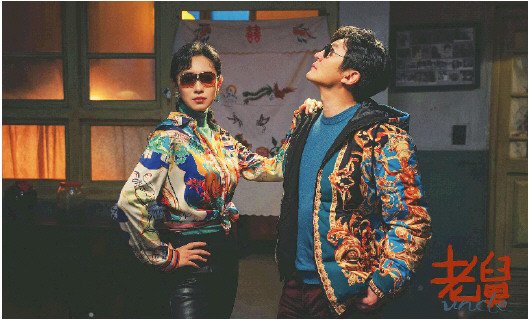
郭京飞“放飞自我”演活东北老舅
Xin Lang Cai Jing· 2026-01-04 16:56
Core Viewpoint - The series "Old Uncle" concludes with a blend of humor and warmth, showcasing the resilience of ordinary people through the character of "Old Uncle" portrayed by Guo Jingfei [2][3] Summary by Sections Character Development - The character of "Old Uncle" Cui Guoming, played by Guo Jingfei, is depicted as a once-promising technical expert who faces career setbacks and engages in various odd jobs, reflecting the ups and downs of life [3] - The character's journey is marked by a humorous yet poignant portrayal of struggles, emphasizing the contrast between his talents and the perception of his capabilities by others [3] Themes and Messages - Guo Jingfei emphasizes that "Old Uncle" embodies a spirit of perseverance not solely for success but to avoid regrets, highlighting the importance of enjoying the process of life despite failures [4] - The series is described as a tragicomedy, where the balance of joy and sorrow is essential, as illustrated by the emotional impact of the character's relationships, particularly with his wife [5] Actor's Perspective - Guo Jingfei's approach to acting involves exploring the complexities of flawed characters, aiming to reveal their relatable and endearing qualities [6] - The actor's philosophy centers on the importance of a solid script and the joy of storytelling, which he believes is crucial for engaging performances [6][7]

余耕:试图走进彼时彼刻 是极具诱惑力的事
Xin Lang Cai Jing· 2025-12-27 17:39
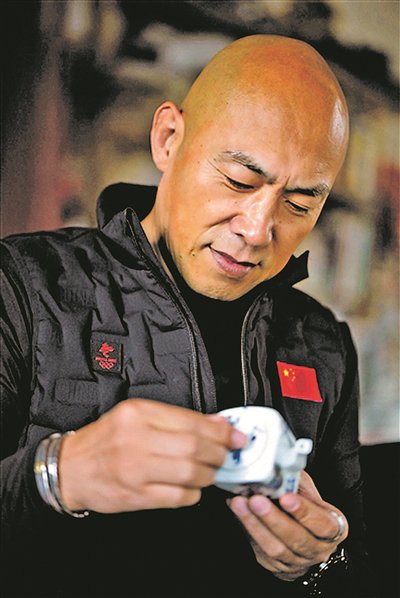
Core Viewpoint - The novel "Asking for the Tripod in 1939" by Yu Geng is inspired by the historical event of the discovery of the He Mu Wu Fang Ding, a significant bronze artifact, and the subsequent struggle to protect it from Japanese forces during a tumultuous period in Chinese history [5][6][14]. Group 1: Historical Context - The story is set in 1939, a critical year during the Second Sino-Japanese War, reflecting the dire circumstances faced by the Chinese people and the extremes of human nature in the face of adversity [14]. - The He Mu Wu Fang Ding was discovered by a villager in Anyang, who, to protect it from Japanese looters, buried it in his yard, thus becoming an unintentional guardian of a national treasure [5][6]. Group 2: Character Development - The narrative features the Yu brothers, who are depicted as unlikely heroes; the elder brother, Yu Baoju, is a former street thug, while the younger brother, Yu Liangju, is a skilled craftsman [6][13]. - The characters are designed to showcase the complexities of human nature, with their actions driven by personal beliefs and the dire circumstances of their time [23]. Group 3: Creative Process - The author, Yu Geng, spent over a decade refining the story, initially inspired by a documentary about the He Mu Wu Fang Ding, which led to the creation of a detailed narrative that blends historical facts with fictional elements [8][9]. - The seventh draft of the novel, completed in 2023, included significant revisions to enhance character depth and historical accuracy, reflecting the author's commitment to storytelling [10][11]. Group 4: Themes and Symbolism - The title "Asking for the Tripod" symbolizes the quest for cultural heritage and the struggle against oppression, resonating with the historical context of the narrative [14]. - The novel aims to evoke reflections on the impact of war on individuals and the importance of preserving cultural identity amidst chaos [14][24]. Group 5: Adaptation Potential - The novel has been recognized for its cinematic qualities, making it suitable for adaptation into a television series, with multiple companies expressing interest in the film rights [21][22].
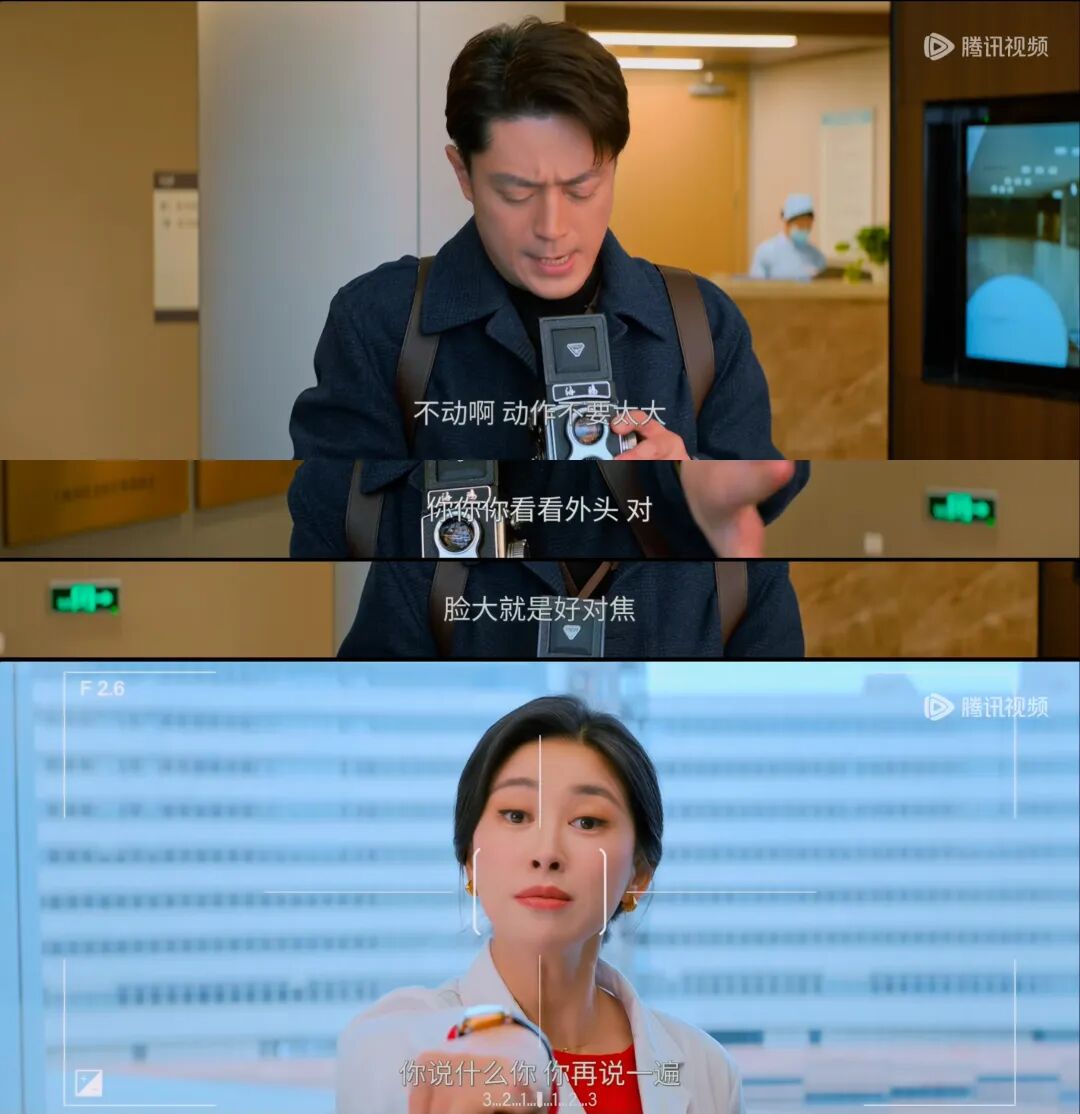
国产都市剧,为什么很少见“大男主”?
3 6 Ke· 2025-11-28 00:39
Core Viewpoint - The article discusses the emergence of a new type of male protagonist in urban dramas, particularly focusing on the character of Yu Yu in "Why He Is Still Single," who embodies an imperfect and unlikable persona, contrasting with the trend of idealized male leads in the genre [1][4][5]. Group 1: Character Analysis - The character Yu Yu is portrayed as a typical imperfect male lead, often making remarks that annoy others, which raises questions about his single status [5][7]. - Despite his flaws, audience acceptance of Yu Yu is relatively high, attributed to the show's emphasis on his shortcomings and the appeal of the actor, Hu Ge [5][7]. - The portrayal of an unlikable male lead is rare in urban dramas, where characters are usually expected to show growth and relatability [4][7]. Group 2: Market Trends - Urban dramas have historically favored perfect male leads, with recent examples showing a shift towards more idealized characters, making the portrayal of flawed protagonists a risky endeavor [7][9]. - The market for urban dramas is significant, with modern urban dramas accounting for 40.82% of the total content, indicating a strong demand for diverse character representations [7][9]. - The evolution of audience expectations has led to a decline in the acceptance of imperfect male leads, as viewers increasingly seek narratives that reflect their realities and experiences [13][14][16]. Group 3: Historical Context - Earlier urban dramas, such as "Struggle" and "Naked Marriage Era," featured more realistic and flawed male characters, reflecting the societal values of the time [9][11]. - The shift towards idealized male leads coincided with the rise of idol dramas, which set a standard for perfection in male characters [11][13]. - As societal values evolve, particularly with the awakening of female consciousness, the demand for authentic and relatable character arcs has increased, challenging the traditional narrative structures in urban dramas [13][14][16].