《知否知否应是绿肥红瘦》

Search documents
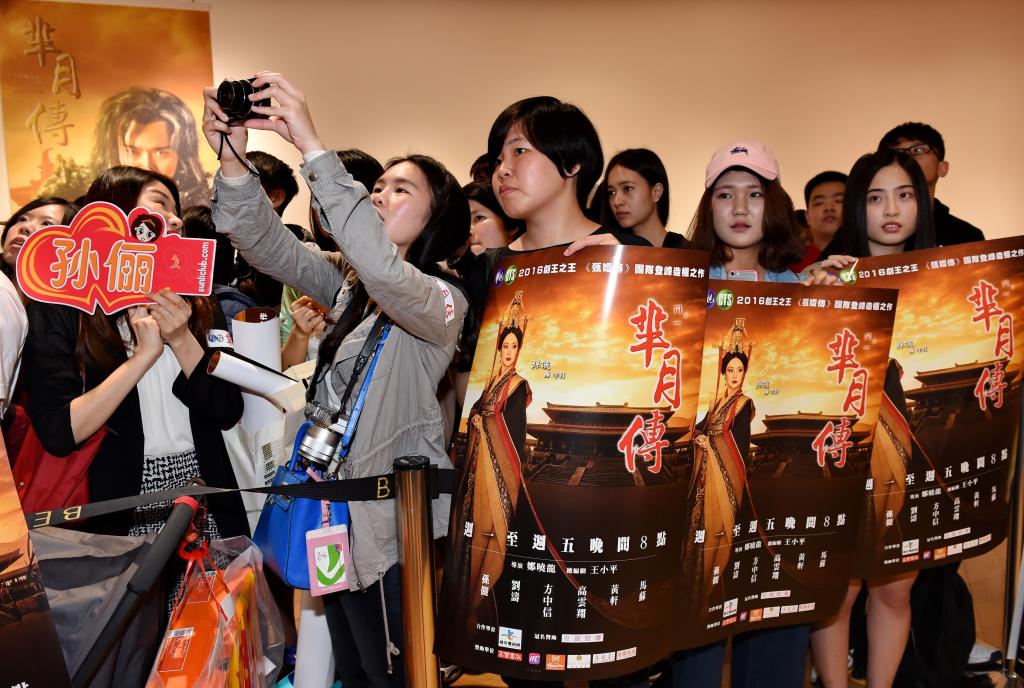
宝岛“新年俗”:陆剧相伴过新春
Xin Hua Wang· 2026-02-23 11:47
Core Viewpoint - The increasing popularity of mainland Chinese dramas among Taiwanese audiences during the Lunar New Year reflects a growing cultural influence and a new tradition in Taiwan [1][2][6]. Group 1: Audience Engagement - A Taiwanese television station began a 24-hour continuous broadcast of "Empresses in the Palace" on February 12, attracting over 34,000 viewers even during late-night hours [1]. - The viewership peaked at over 90,000 simultaneous online viewers during the most popular times, indicating a strong engagement with the content [1]. - Taiwanese audiences are increasingly participating in discussions about these dramas on online forums, expressing interest in additional series such as "Nirvana in Fire" and "Story of Yanxi Palace" [2]. Group 2: Cultural Impact - The trend of watching mainland dramas during the Lunar New Year has been described as a new "New Year custom" in Taiwan, showcasing the rising cultural influence of mainland China [6]. - Taiwanese viewers appreciate the detailed production and cultural elements of these dramas, with some using scenes from shows like "Ruyi's Royal Love in the Palace" as educational tools [2]. - The success of various genres, including historical and contemporary dramas, highlights the diverse interests of Taiwanese audiences and their connection to the narratives presented [2][6].

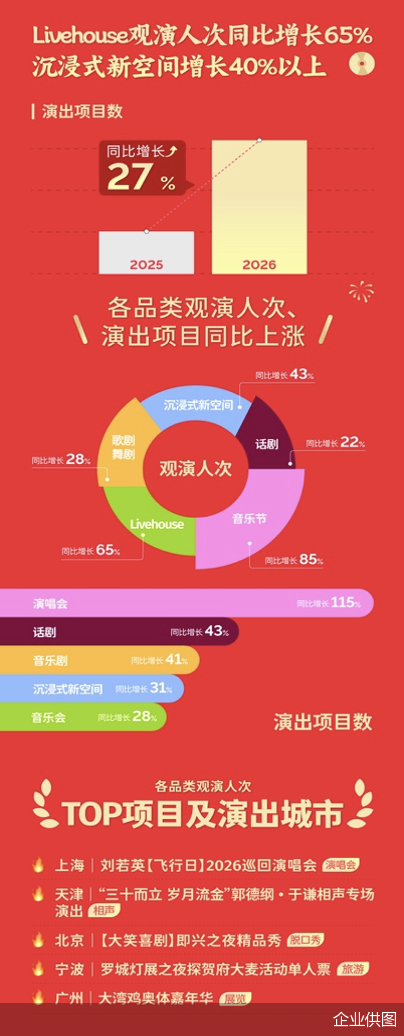
虎鲸文娱发布春节文娱消费报告:线下演出同比增长27%,经典剧集纪录片成线上合家欢首选
Bei Jing Shang Bao· 2026-02-23 04:22
线上方面,经典影视内容在春节期间再次被激活。经典内容涵盖《甄嬛传》《知否知否应是绿肥红瘦》 (TV版)《重返狼群 10周年特别纪念版》《沧元图》等多部剧集、动漫、少儿、人文纪录片内容。值 得一提的是,《藏海传》《难哄》《入青云》《长安二十四计》等多部剧集展现长尾效应,成春节假期 用户补剧热门。新热内容方面,《唐宫奇案》《乡村爱情18》《开心锤锤》《辽宁卫视春晚2026》《非 常检控观》位列优酷站内观看时长前五名。 Livehouse观演人次同比增长65% 沉浸式新空间增长40%以上 3 | 演出项目数 同比增长少 % 2025 2026 卡 各品类观演人次、 演出项目同比上涨 比增长 43% 话剧 同比增长 22% 量脑 同比增长 28% 观演人次 inde 可比增长 65 同比增长 85% 演唱会 BHzK 115 同比增长 43% 话剧 比地长41 音乐剧 c C41 游戏 高端子官 音乐会 + 28 演出项目数 各品类观演人次 TOP项目及演出城市。 上海 |刘若英【飞行日】2026巡回演唱会 ☏ | 1 天津 | "三十而立 岁月流金"郭德纲 · 于谦相声专场 演出 匪 北京 |【大笑喜剧】即兴之夜精 ...
邵氏46亿鲸吞正午阳光与UME:黎瑞刚的“东方好莱坞”资本棋局
Xin Lang Cai Jing· 2026-02-03 09:39
2026年1月21日, 邵氏兄弟控股公告宣布,拟向主要股东华人文化收购其核心影视资产,交易对价约 45.77亿元。这笔交易的资产规模远超邵氏自身,形成了一场罕见的"蛇吞象"式并购。 战略动机:华人文化借壳上市的资本路径 根据公告,此次交易邵氏兄弟将以配股方式支付对价,按每股0.32港元的价格向华人文化及其指定接收 方配发约159.3亿股股份,对价总额约45.765亿元人民币。 这个发行价较公告前最后一个交易日收盘价折让约15.8%。交易完成后,华人文化及其一致行动人对邵 氏兄弟的持股比例将从29.94%大幅增至59.74%,实现绝对控股。 被收购的目标业务涵盖华人文化旗下最核心的影视资产,包括剧集制作龙头正午阳光、电影投资制作公 司上海华人影业、海外发行业务CMC Pictures以及超过50家以UME品牌运营的影院网络。 正午阳光作为内地剧集制作领域的标杆企业,自2011年成立以来,制作了《琅琊榜》《大江大河》《山 海情》《知否知否应是绿肥红瘦》等一系列高口碑作品。而UME影城则是国内较早布局连锁化的影城 品牌之一,目前在全国运营63家影院,其中超过一半位于一、二线城市。 根据公告披露的数据,目标业务在20 ...
邵氏兄弟控股涨超6% 近期宣布拟收购正午阳光等资产
Zhi Tong Cai Jing· 2026-01-27 06:55
Group 1 - The core point of the article is that Shaw Brothers Holdings (00953) has seen a stock increase of over 6% following the announcement of a significant acquisition deal with its major shareholder, CMC Inc. [1] - The company plans to acquire core assets from CMC Inc. through the issuance of consideration shares, with a transaction value of 4.5765 billion RMB (approximately 5.098 billion HKD) [1] - The assets involved in the transaction include several prominent companies in the entertainment industry, such as Noon Sunshine, Tongle Film Distribution, Shanghai Chinese Film Industry, and Daylight Star Media, as well as Shanghai Siyuan, which operates over 50 UME cinemas [1] Group 2 - Noon Sunshine is recognized as a leading production company in China, primarily engaged in the investment and production of television dramas, with its main revenue source being the distribution of these dramas [1] - Notable works produced by Noon Sunshine include popular television series such as "Nirvana in Fire," "The Disguiser," "The Story of Yanxi Palace," and "Know Your Self" [1] - By the end of 2025, Noon Sunshine is set to enter the film industry with its first movie titled "De Xian Jin Zhi" [1]
港股异动 | 邵氏兄弟控股(00953)涨超6% 近期宣布拟收购正午阳光等资产
智通财经网· 2026-01-27 06:52
Group 1 - The core point of the article is that Shaw Brothers Holdings (00953) has seen a stock increase of over 6% following the announcement of a significant acquisition deal with its major shareholder, CMC Inc. [1] - The acquisition involves the purchase of core assets from CMC Inc. for a total consideration of 4.5765 billion RMB (approximately 5.098 billion HKD) through the issuance of consideration shares [1] - The assets being acquired include several prominent companies in the entertainment industry, such as Noon Sunshine Media, Tongle Film Distribution, Shanghai Chinese Film Industry, and Daylight Star Media, as well as the operation of over 50 UME cinemas by Shanghai Siyuan [1] Group 2 - Noon Sunshine Media is recognized as a leading production company in China, primarily engaged in the investment and production of television dramas, with its main revenue source being the distribution of these dramas [1] - Notable works produced by Noon Sunshine include popular television series such as "Nirvana in Fire," "The Disguiser," "The Story of Yanxi Palace," and "Know Your Destiny" [1] - By the end of 2025, Noon Sunshine is set to enter the film industry with the release of its first movie titled "De Xian Jin Zhi" [1]
邵氏兄弟拟收购正午阳光等资产,揭秘正午阳光关联影视公司
Yang Zi Wan Bao Wang· 2026-01-27 06:37
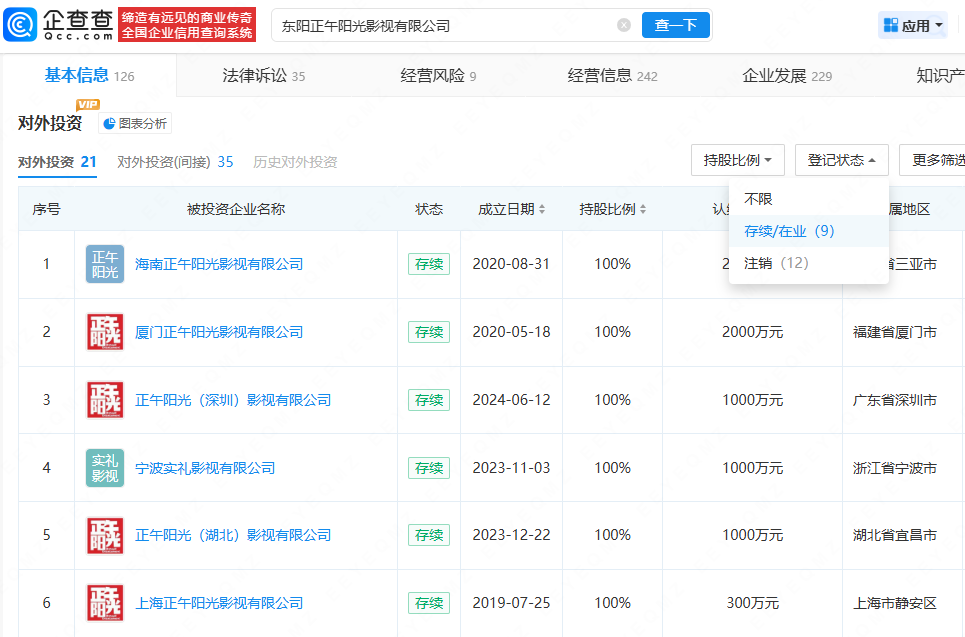
Group 1 - The core point of the article is that Shaw Brothers has announced an agreement with its major shareholder, CMC Inc., to acquire core assets from CMC for a transaction value of 4.5765 billion RMB [1] - The assets to be acquired include well-known production companies such as Zhengwu Sunshine, distribution company Tongle Film, film investment and production company Shanghai Huaren Film, variety show production company Riyue Xingguang Media, and Shanghai Siyuan, which operates over 50 UME cinemas [2][3] - Zhengwu Sunshine has produced popular series such as "Nirvana in Fire," "The Great River," "The Sea in the Mountains," and "The Story of Minglan," establishing itself as an industry benchmark [3] Group 2 - CMC Inc. is recognized as a leading comprehensive media and entertainment company in China, founded in 2015, with its founder Li Ruigang being referred to as "China's Merck" [3] - CMC became the controlling shareholder of Shaw Brothers in 2016, indicating a long-term strategic partnership [3] - Zhengwu Sunshine's affiliated company, Dongyang Zhengwu Sunshine Film Co., Ltd., was established in August 2011 and has invested in 21 enterprises, with 9 currently in operation [3]
国产都市剧,为什么很少见“大男主”?
3 6 Ke· 2025-11-28 00:39
Core Viewpoint - The article discusses the emergence of a new type of male protagonist in urban dramas, particularly focusing on the character of Yu Yu in "Why He Is Still Single," who embodies an imperfect and unlikable persona, contrasting with the trend of idealized male leads in the genre [1][4][5]. Group 1: Character Analysis - The character Yu Yu is portrayed as a typical imperfect male lead, often making remarks that annoy others, which raises questions about his single status [5][7]. - Despite his flaws, audience acceptance of Yu Yu is relatively high, attributed to the show's emphasis on his shortcomings and the appeal of the actor, Hu Ge [5][7]. - The portrayal of an unlikable male lead is rare in urban dramas, where characters are usually expected to show growth and relatability [4][7]. Group 2: Market Trends - Urban dramas have historically favored perfect male leads, with recent examples showing a shift towards more idealized characters, making the portrayal of flawed protagonists a risky endeavor [7][9]. - The market for urban dramas is significant, with modern urban dramas accounting for 40.82% of the total content, indicating a strong demand for diverse character representations [7][9]. - The evolution of audience expectations has led to a decline in the acceptance of imperfect male leads, as viewers increasingly seek narratives that reflect their realities and experiences [13][14][16]. Group 3: Historical Context - Earlier urban dramas, such as "Struggle" and "Naked Marriage Era," featured more realistic and flawed male characters, reflecting the societal values of the time [9][11]. - The shift towards idealized male leads coincided with the rise of idol dramas, which set a standard for perfection in male characters [11][13]. - As societal values evolve, particularly with the awakening of female consciousness, the demand for authentic and relatable character arcs has increased, challenging the traditional narrative structures in urban dramas [13][14][16].
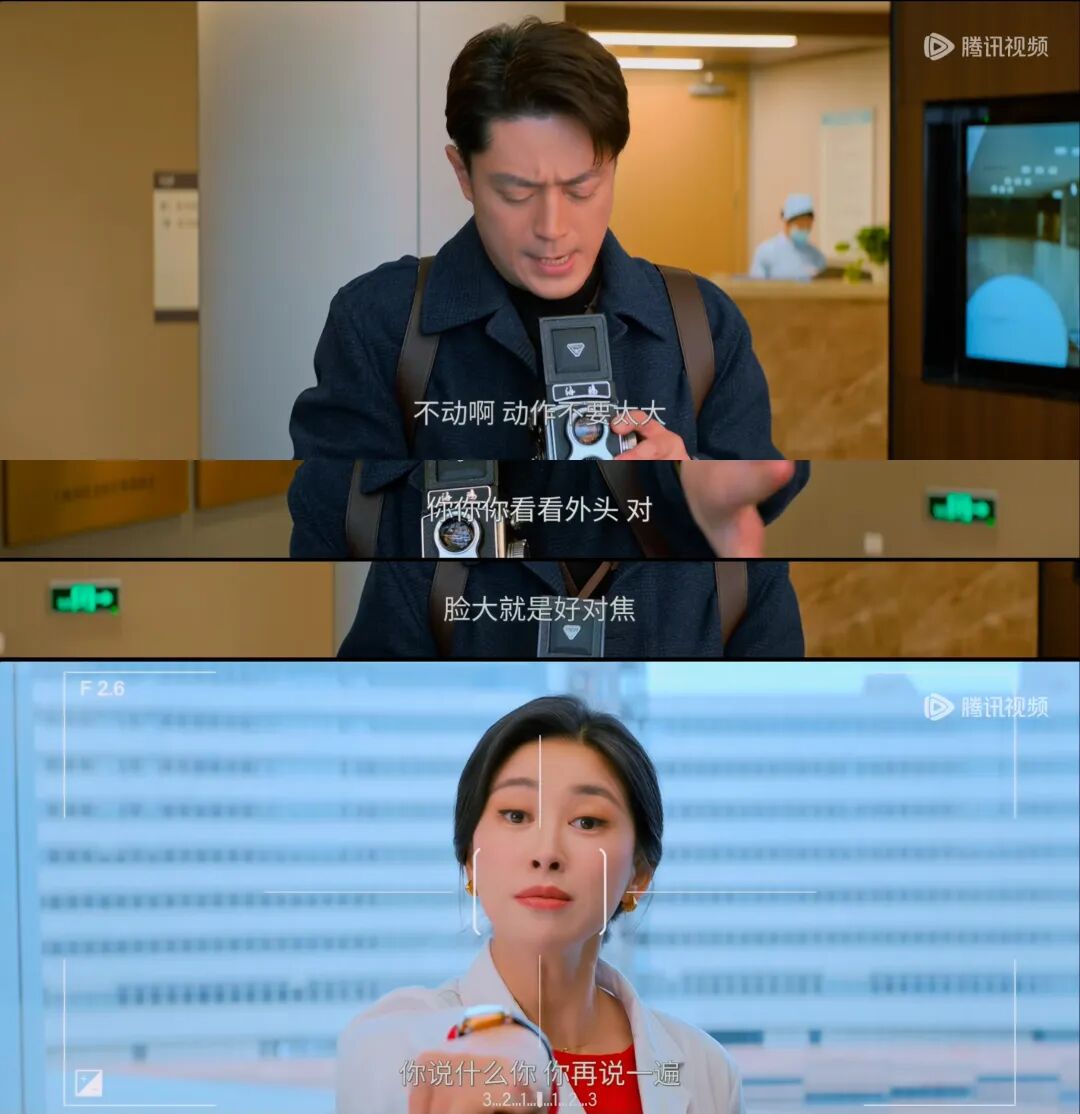
到了《新闻女王》第二季,内娱为何还是难产“金句女王”?
3 6 Ke· 2025-11-18 00:34
Core Insights - The article discusses the success of the series "News Queen," highlighting its ability to engage viewers with a fast-paced narrative and well-developed characters, contrasting it with the slower, more diluted content of traditional long-form dramas [1][2]. Group 1: Content Quality and Viewer Engagement - "News Queen" has redefined viewer expectations by providing a refreshing experience akin to short dramas, focusing on tight storytelling without unnecessary filler [1]. - The series features strong character development, where each character's actions are logical and consistent with their personalities, enhancing viewer satisfaction [1][2]. - The second season continues to explore complex themes and character dynamics, maintaining a high level of engagement despite some narrative challenges [1]. Group 2: Industry Trends and Challenges - The article notes a broader trend in the entertainment industry where long dramas struggle to innovate, often relying on repetitive themes and character archetypes that fail to resonate with audiences [4][6]. - There is a critique of the industry’s tendency to prioritize viewer preferences and trending topics over original storytelling, leading to a lack of depth in character development and narrative [5][7]. - The success of "News Queen" serves as a benchmark for future productions, emphasizing the need for originality and depth in content creation to avoid the pitfalls of formulaic storytelling [9][14]. Group 3: Character and Dialogue Significance - The series is praised for its memorable quotes and dialogues that encapsulate the characters' philosophies, contributing to its cultural impact [9][15]. - Each character, including the antagonist, offers insightful commentary on human nature, enriching the narrative and providing multiple perspectives [11][13]. - The prevalence of impactful quotes across characters enhances the overall viewing experience, making the series stand out in a crowded market [16][20].
「霸总」永不过时:我们为什么需要程式化的爱?
36氪· 2025-10-27 00:09
Core Viewpoint - The article discusses the evolution of online literature, particularly focusing on female-oriented narratives and their impact on readers, especially women, highlighting the psychological needs and societal changes reflected in these works [3][6][10]. Group 1: Influence of Online Literature - Online literature, especially female-oriented works, resonates with women's psychological needs and reflects societal changes [6][10]. - The journey of a researcher, Xue Jing, who transitioned from a reader of online literature to an academic, illustrates the growing acceptance and academic interest in this genre [10][11]. Group 2: Reader Engagement and Themes - Readers often engage with online literature as a means of emotional expression and connection, creating a shared cultural experience among them [9][10]. - The themes in female-oriented online literature have evolved from traditional romantic ideals to more complex narratives involving power dynamics and emotional struggles [13][20]. Group 3: Academic Recognition - The establishment of academic courses on online literature at prestigious institutions marks a significant shift in the perception of this genre, legitimizing its study [10][11]. - Xue Jing's research explores various sub-genres, including "霸总文" (domineering CEO narratives) and "虐恋文" (abusive love stories), analyzing their implications on female identity and societal expectations [11][13]. Group 4: Changing Narratives - The narrative structures in female-oriented online literature have shifted, with a notable rise in "爱女文学" (love for women literature), which challenges traditional gender roles and promotes female empowerment [22][24]. - The portrayal of female characters has become more diverse, reflecting a spectrum of experiences and societal pressures, moving beyond simplistic archetypes [29][33]. Group 5: Societal Reflections - The article suggests that online literature serves as a sociological lens, revealing underlying desires and societal issues faced by women today [25][41]. - The changing dynamics in reader expectations and character portrayals indicate a broader cultural shift towards recognizing and addressing women's multifaceted roles in society [30][36].

“宝宝仙侠”泛滥,是观众变“幼”了吗?
3 6 Ke· 2025-10-23 23:35
Core Viewpoint - The article critiques the recent trend in ancient costume dramas, particularly highlighting "Into the Cloud," which has been labeled as "baby xianxia" due to its simplistic and juvenile storytelling, diverging from the traditional depth of the genre [1][10][28] Group 1: Quality of Content - "Into the Cloud" has been criticized for lacking emotional depth and quality, with viewers describing it as feeling empty despite good visuals and attractive leads [1][3][6] - The narrative structure of "Into the Cloud" is overly simplistic, with character abilities being ignored and plot developments lacking tension [6][10][21] - The trend of "low-age" content is not isolated to one show but reflects a broader issue in the ancient costume drama market, where many productions have simplified their storytelling to appeal to younger audiences [2][10][16] Group 2: Audience Expectations - There is a growing disconnect between the content being produced and the expectations of the audience, who are seeking more substantial narratives rather than superficial romantic plots [19][22][27] - Data indicates that while the number of ancient costume dramas has increased, only a few have achieved significant popularity, suggesting that the issue lies in content quality rather than audience preferences [19][22] Group 3: Industry Trends - The industry is criticized for its reliance on safe formulas, leading to a proliferation of similar, low-quality productions that prioritize romance over complex storytelling [21][22] - There is a call for creators to move beyond the "sweet romance" formula and to explore deeper themes such as power dynamics, personal growth, and societal issues, which could revitalize the genre [21][27][28] - Successful examples like "Folded Waist" demonstrate that mature storytelling can still attract audiences, indicating a potential market for high-quality ancient costume dramas [23][26][27]