《都挺好》

Search documents
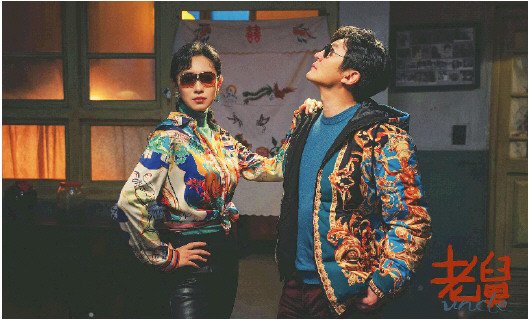
郭京飞“放飞自我”演活东北老舅
Xin Lang Cai Jing· 2026-01-04 16:56
Core Viewpoint - The series "Old Uncle" concludes with a blend of humor and warmth, showcasing the resilience of ordinary people through the character of "Old Uncle" portrayed by Guo Jingfei [2][3] Summary by Sections Character Development - The character of "Old Uncle" Cui Guoming, played by Guo Jingfei, is depicted as a once-promising technical expert who faces career setbacks and engages in various odd jobs, reflecting the ups and downs of life [3] - The character's journey is marked by a humorous yet poignant portrayal of struggles, emphasizing the contrast between his talents and the perception of his capabilities by others [3] Themes and Messages - Guo Jingfei emphasizes that "Old Uncle" embodies a spirit of perseverance not solely for success but to avoid regrets, highlighting the importance of enjoying the process of life despite failures [4] - The series is described as a tragicomedy, where the balance of joy and sorrow is essential, as illustrated by the emotional impact of the character's relationships, particularly with his wife [5] Actor's Perspective - Guo Jingfei's approach to acting involves exploring the complexities of flawed characters, aiming to reveal their relatable and endearing qualities [6] - The actor's philosophy centers on the importance of a solid script and the joy of storytelling, which he believes is crucial for engaging performances [6][7]

内娱男演员,开始贩卖“易碎感”
Hu Xiu· 2025-10-21 13:05
Core Viewpoint - The article discusses the evolving aesthetic trend in the entertainment industry, particularly the "嬷化" phenomenon, where male actors are increasingly portrayed with delicate and fragile characteristics, challenging traditional masculinity [1][10]. Summary by Sections Stage 1: Economic Suitable Men - The early 2010s saw the dominance of the "economic suitable man" archetype, represented by actors like Tong Dawei, who portrayed stable, warm, and reliable characters [3][4]. - These characters reflected a societal shift towards valuing stability and emotional support in relationships, resonating with female audiences seeking reliable partners [5]. Stage 2: The "Wimp" Archetype - As societal pressures increased and women's self-awareness grew, the "economic suitable man" image became less relatable, leading to the emergence of the "wimp" archetype, exemplified by actors like Lei Jiayin and Guo Jingfei [6][7]. - These characters, often flawed and vulnerable, allowed female viewers to empathize with their struggles, reflecting a more complex understanding of masculinity [7]. Stage 3: The "Good Husband" Trend - The "wimp" archetype evolved into the "good husband" trend, represented by actors like Bai Ke, who embody a service-oriented, emotionally supportive male figure [8][9]. - This character type provides a sense of security and emotional stability, appealing to audiences in uncertain times [9]. Stage 4: The "嬷化" Trend - The "嬷化" trend marks a significant shift where male actors and their teams actively design and market a more delicate and feminine image, moving from passive acceptance to proactive engagement with audience expectations [10][16]. - This trend is characterized by a collaborative effort to redefine male aesthetics, allowing actors to gain empathy and increase their appeal in a competitive market [16]. Notable Examples - Actors like Cheng Yi and Luo Yunxi exemplify the "嬷化" aesthetic through their roles and public personas, emphasizing fragility and beauty in their portrayals [2][12]. - The trend is not limited to television but extends to idol groups and other entertainment forms, showcasing a broader cultural shift towards embracing softer male images [15].
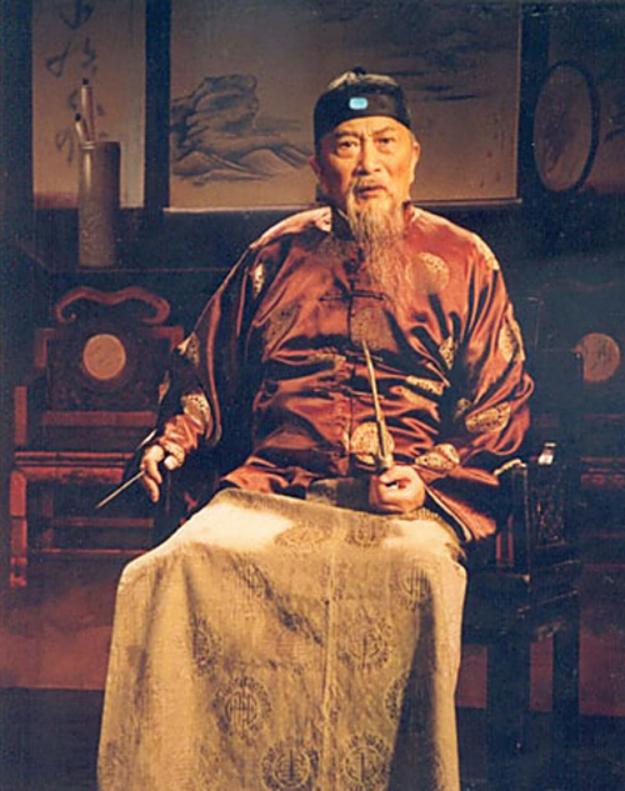
中国老人社会形象变迁史:1900—2025
3 6 Ke· 2025-10-09 13:20
Core Perspective - The article discusses the evolution of the social image of the elderly in China from 1900 to 2025, highlighting the transformation from traditional views to a more diverse and active perception of the elderly in contemporary society [1][34]. Phase Summaries Phase 1: Traditional and Turbulent "Respectable" and "Obsolete" (1900-1949) - The elderly were viewed through a dual lens: as "respectable" figures rooted in Confucian culture and as "obsolete" individuals amidst societal upheaval [2]. - Traditional family structures placed elderly men in positions of power, symbolizing authority and moral guidance [2]. - The collapse of traditional values led to the emergence of the "obsolete" image, where some elderly were criticized as outdated and irrelevant [5]. Phase 2: Collectivism and "Revolutionary Elders" (1949-1979) - Post-1949, the elderly's value shifted to their political identity and revolutionary contributions, with "old revolutionaries" gaining respect [9][10]. - Elderly women transitioned from traditional roles to "revolutionary mothers," reflecting the changing gender dynamics [10]. - The Cultural Revolution polarized elderly images, with some being revered and others vilified based on their political stance [14]. Phase 3: Transition and Reflection "Lost" and "Watchers" (1980-1999) - The reform era emphasized economic development, yet traditional family values persisted, with elderly often seen as family heads [16]. - Literature and film began to reflect on the historical experiences of the elderly, portraying them as witnesses to national history [17]. - The rise of market economy led to a decline in the traditional authority of the elderly, with many feeling marginalized and disconnected from societal changes [19]. Phase 4: Deep Aging and the Diverse Image of the Elderly (2000-2025) - By 2000, China officially entered an aging society, with projections indicating that by 2024, over 22% of the population will be aged 60 and above [21]. - The elderly's image has become increasingly negative, often framed as a societal burden due to issues like pension gaps and healthcare challenges [21][22]. - The concept of "silver economy" has emerged, recognizing the elderly as consumers rather than just dependents, leading to a rise in industries catering to their needs [24][26]. - Urban and rural elderly face different challenges, with urban seniors benefiting from social security while rural seniors often experience neglect [27]. - The emergence of "active elderly" and "new elderly" reflects a shift towards a more empowered and engaged image of the elderly, emphasizing lifelong learning and personal fulfillment [30][34]. Future Outlook - By 2050, the elderly population is expected to reach 500 million, necessitating a redefined image that emphasizes their contributions and diversity [34]. - The future elderly image should transition from "passive recipients" to "active contributors," recognizing their potential as valuable societal resources [34][35]. - Acknowledging the internal diversity of the elderly population is crucial, promoting a multifaceted representation that includes various lifestyles and contributions [35]. - Emphasizing lifelong learning and adaptation to technological advancements will be essential for integrating the elderly into modern society [36]. - A shift in focus from mere survival to a holistic approach that values the dignity and quality of life for the elderly is necessary for societal progress [36].