《搭萨》

Search documents
感受文学创作“八面来风”
Ren Min Ri Bao Hai Wai Ban· 2025-12-03 22:55
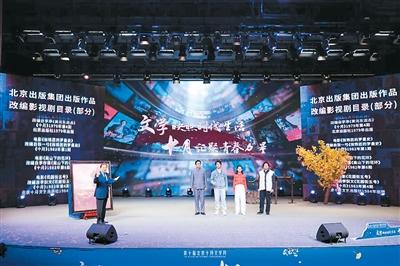
Core Viewpoint - The 10th Beijing October Literature Month emphasizes the theme "Literature Reflects Contemporary Life, October Gathers Youth Power," showcasing a variety of literary activities and discussions aimed at promoting quality literary development and enhancing public reading culture [3][6]. Group 1: Event Overview - The event features renowned authors such as A Lai, Mai Jia, and Liu Liangcheng, who share insights on literature and life [3][6]. - The opening ceremony includes performances of classic literary excerpts, evoking memories and emotions among the audience [6]. - The event is organized by various governmental and cultural institutions, aiming to strengthen the literary community and foster quality creations [3][6]. Group 2: Focus on Literary Development - The "10th Beijing Literature Forum" addresses the challenges and innovations in contemporary literary production, emphasizing the need for trust among writers, readers, critics, and publishers [6][8]. - Discussions highlight the importance of literature rooted in reality and the necessity for continuous refinement in literary works to achieve lasting value [6][8]. Group 3: Support for Young Writers - The "Wang Meng Young Writer Support Program" aims to nurture talented young authors under 40, encouraging them to create works that reflect contemporary spirit [8][9]. - Selected young writers share their innovative approaches to writing, focusing on capturing the nuances of their generation's experiences [8][9]. Group 4: New Popular Literature - The emergence of "New Popular Literature" is a focal point, showcasing works from diverse backgrounds, including those of ordinary workers and their life stories [11][12]. - The "New Popular Literature Beijing Creation Plan" features a variety of genres and themes, highlighting the contributions of everyday individuals to the literary landscape [11][12]. Group 5: Critical Discussions - The "Who Creates New Popular Literature" forum discusses the characteristics and aesthetics of this literary form, emphasizing the role of ordinary laborers in documenting their lives [12]. - The event marks a decade of the Beijing October Literature Month, which has become a significant platform for literary and publishing communities [12].

青年写作,在时间中沉淀(圆桌谈)
Ren Min Ri Bao Hai Wai Ban· 2025-06-29 22:48
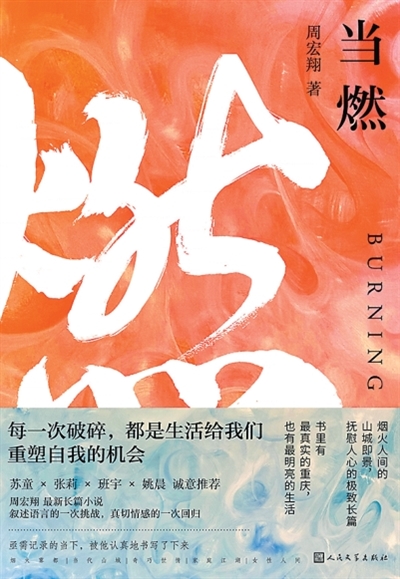
Core Viewpoint - The 12th "Writers' Activity Week" organized by the Chinese Writers Association focuses on the theme of "New Forces in Chinese Literature," highlighting the experiences and challenges faced by a new generation of young writers [5]. Group 1: Young Writers' Experiences - Zhou Wanqing, a young writer, emphasizes the importance of personal stories and the influence of the people she has met on her writing, leading to the creation of her short story collections [6]. - Lin Weipan shares that his journey into literature began with reading "One Hundred Years of Solitude," and his recent work "Dasa" reflects his exploration of Hakka culture [7]. - Zhou Hongxiang discusses his early start in writing and his recent long novel "When It Burns," which is connected to his hometown of Chongqing [8]. - Qian Xing recounts his return to writing after an eight-year hiatus, focusing on the lives of ordinary people he encounters [9]. Group 2: Challenges in Contemporary Writing - Qian Xing notes that the abundance of writing materials today makes it challenging to choose what to focus on, as he balances writing with a full-time job [13]. - Zhou Hongxiang identifies the increasing number of creators and decreasing readers as a significant challenge, leading to a disconnect between writers and their audience [12]. - Zhou Wanqing reflects on the struggle to maintain depth in writing amidst the fast-paced information flow of modern society [11]. Group 3: The Role of Technology and New Media - Lin Weipan argues that AI cannot replace human creativity, and that literature remains a vital form of expression despite technological advancements [10]. - Qian Xing suggests that writers should leverage new media and technology to connect with readers and enhance their storytelling [14]. - Zhou Hongxiang believes that the boundaries between different literary genres are blurring due to the internet, allowing for a more fluid approach to storytelling [15]. Group 4: The Concept of "New Forces" in Literature - The theme of "New Forces" in literature is seen as a call for young writers to produce impactful works that resonate with contemporary issues [17]. - Qian Xing emphasizes that authentic and compassionate narratives hold the most power in today's literary landscape [16]. - Zhou Hongxiang and Lin Weipan agree that the new generation of writers must navigate their unique experiences while contributing to the evolution of literature [16][17].