《数字服务法案》(DSA)

Search documents
欧盟忍无可忍:美国这是勒索!
Guan Cha Zhe Wang· 2025-11-27 15:30
Core Viewpoint - The ongoing conflict between the US and EU regarding digital regulation is intensifying, with the EU accusing the US of using coercive tactics to influence regulatory decisions [1][3]. Group 1: EU's Stance on Digital Regulation - EU's Executive Vice President Teresa Ribera criticized the US for attempting to link digital regulation changes to trade negotiations, labeling it as "extortion" [1][3]. - Ribera emphasized that the EU's digital regulatory framework, including the Digital Markets Act (DMA) and Digital Services Act (DSA), should not be part of trade discussions, asserting that these regulations are matters of national sovereignty [3][4]. - The DMA aims to regulate the behavior of large digital platforms to ensure fair competition, and Ribera stated that the EU's digital regulatory standards are non-negotiable [3][5]. Group 2: US Pressure and EU Member States' Divergence - The US perceives the EU's DMA as discriminatory against American tech giants like Microsoft, Google, and Amazon, and has expressed opposition to the DSA, which it believes restricts platforms like X (formerly Twitter) [3][6]. - Despite Ribera's firm stance, there are emerging divisions among EU member states regarding the DMA, with some trade ministers showing openness to revising digital regulations to attract US investment [5][6]. - German officials have indicated support for relaxing EU digital rules, highlighting a potential shift in the EU's unified approach to digital regulation [5][6]. Group 3: Global Context of Digital Regulation - The US is actively pressuring other countries to relax digital regulations, as seen in Canada's withdrawal of a proposed digital services tax and South Korea's retraction of a planned digital competition system [6][7]. - The EU is continuing its assessment of digital regulations through the "Digital Fairness Applicability Assessment" and ongoing reviews of the DMA, amidst the backdrop of US pressure and internal EU disagreements [7].


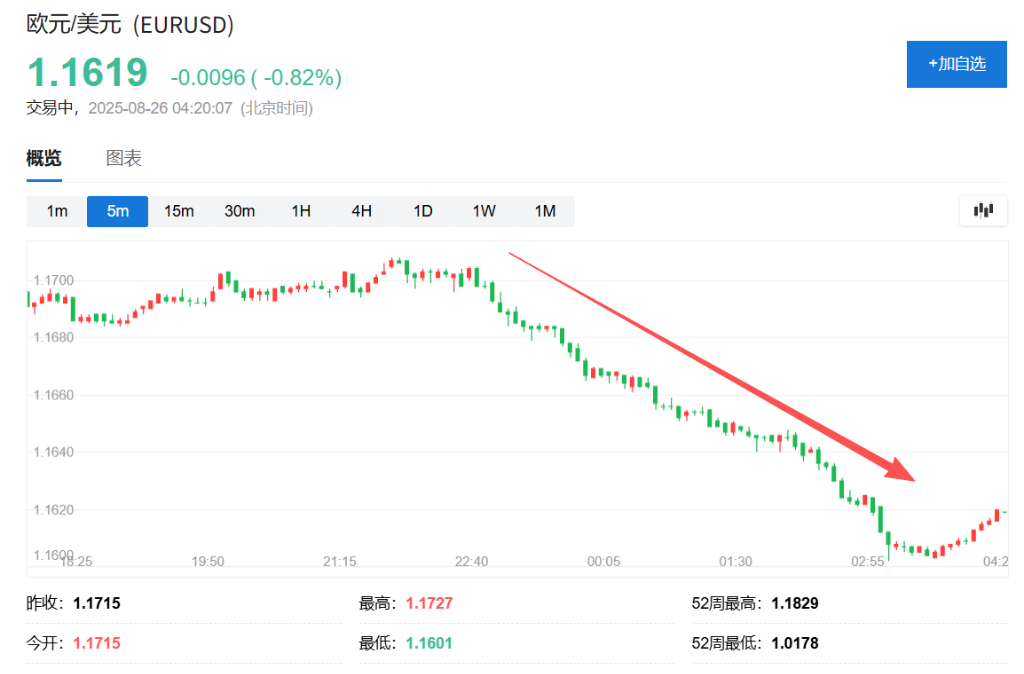
特朗普政府据称考虑制裁欧盟官员,欧元下挫1%
Hua Er Jie Jian Wen· 2025-08-25 21:00
Group 1 - The Trump administration is considering punitive measures against EU officials responsible for enforcing the Digital Services Act (DSA) due to concerns over its impact on American tech companies and free speech [1] - The U.S. State Department held an internal meeting to discuss potential visa restrictions as a form of punishment for EU officials [1] - The relationship between the U.S. and EU is already strained due to tariff threats and issues regarding the treatment of tech companies, and this action could exacerbate those tensions [1] Group 2 - The EU has firmly rejected U.S. accusations, stating that the DSA is designed to enhance online safety by requiring tech giants to combat illegal content, not to suppress free speech [4] - An EU Commission spokesperson emphasized that freedom of speech is a fundamental right within the EU and is central to the DSA [4] - The EU's new tech regulations aim to maintain an open digital market and are not specifically targeting American companies [4] Group 3 - Prior to considering direct sanctions, the Trump administration has initiated a series of pressure tactics, including lobbying efforts by U.S. diplomats in Europe [5] - U.S. Secretary of State Rubio has instructed diplomats to communicate concerns regarding the DSA's restrictions on free speech and its financial implications for American companies [5] - The potential for sanctions reflects a unique aspect of the Trump administration's foreign policy, which tends to focus on specific issues rather than traditional human rights advocacy [5]