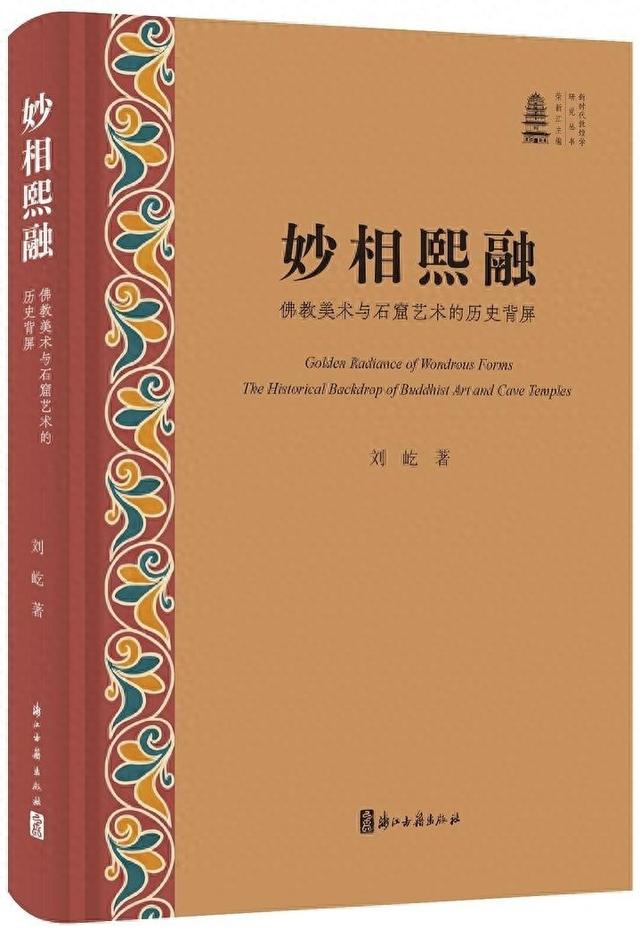
《新时代敦煌学研究丛书》

Search documents
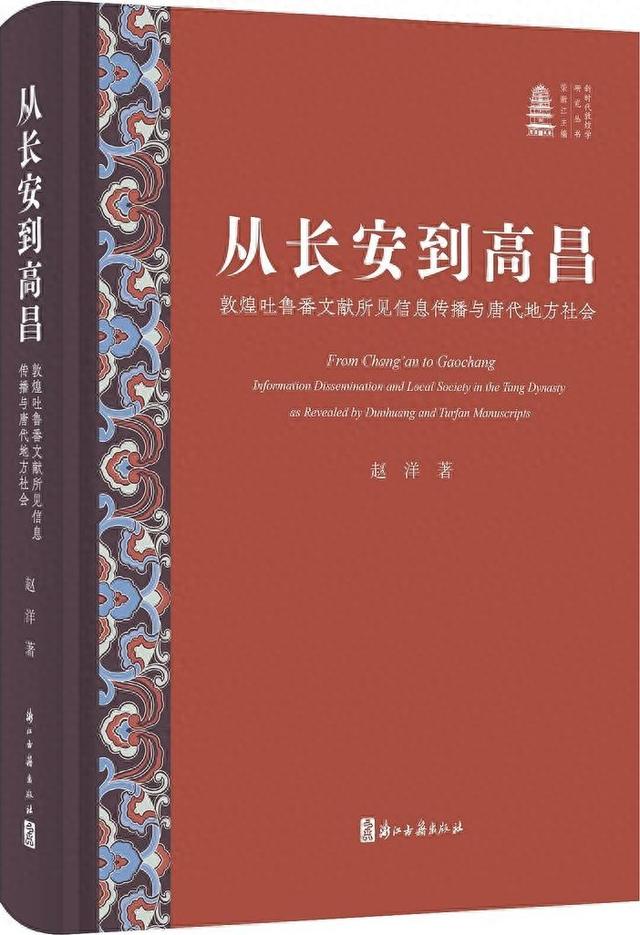
专访赵洋|长安的风吹到敦煌吐鲁番:唐帝国的信息流动与地方社会
Xin Lang Cai Jing· 2026-02-22 02:32
《从长安到高昌:敦煌吐鲁番文献所见信息传播与唐代地方社会》,赵洋著,浙江古籍出版社,2025年 8月出版,384页,138.00元 《新时代敦煌学研究丛书》由中国敦煌吐鲁番学会会长、北大博雅讲席教授荣新江主编,2025年浙江古 籍出版社推出第一辑,包括《妙相熙融:佛教美术与石窟艺术的历史背屏》《幽赞化行:敦煌吐鲁番文 献所见中古中国的占验与信仰》《银币东来:五至七世纪吐鲁番绿洲经济与丝绸之路》《长安内外:唐 代京城书写文化的东西流行》《从长安到高昌:敦煌吐鲁番文献所见信息传播与唐代地方社会》五种。 据荣新江教授撰文介绍,这套丛书反映了当代学者最新的研究成果,以敦煌学研究为主,兼收吐鲁番、 于阗、龟兹以及石窟寺,甚至丝绸之路等方面的研究著作;力求占据敦煌学研究高地,开拓新的视野与 方法;强调学科交叉性,希望融合历史学、考古学、艺术学、文献学等多学科方法;注重吸收海外学者 的研究成果,与海外敦煌学研究的对话,推动中国学术话语的国际传播。2026年春节期间,《上海书 评》推出"春风终度玉门关:敦煌学五人谈"专题,分别采访了本套丛书的五位作者,请他们就自己的研 究做了介绍和阐释。 本篇采访《从长安到高昌:敦煌吐鲁番文 ...

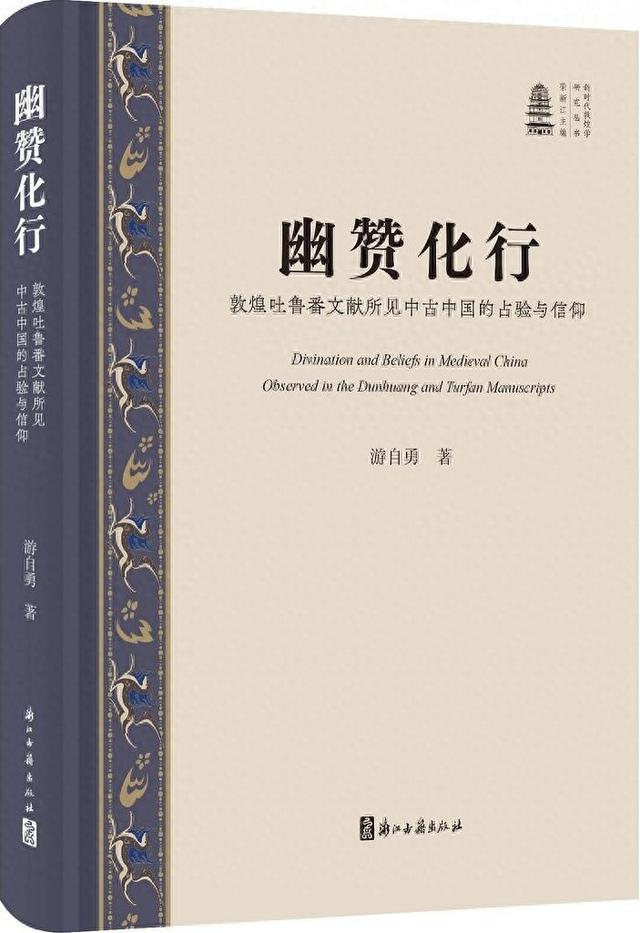
专访游自勇|那个物老成精的世界:在敦煌吐鲁番写本中,追寻一己之福
Xin Lang Cai Jing· 2026-02-19 03:33
Core Viewpoint - The "New Era Dunhuang Studies Series," edited by Professor Rong Xinjian, aims to reflect contemporary scholars' latest research achievements in Dunhuang studies and related fields, emphasizing interdisciplinary approaches and international dialogue in academia [1]. Group 1: Series Overview - The first volume of the series will be published by Zhejiang Ancient Books Publishing House in 2025 and includes five titles focusing on various aspects of Dunhuang and Turfan studies [1]. - The series seeks to occupy a leading position in Dunhuang studies while expanding new perspectives and methodologies [1]. Group 2: Author Insights - Professor You Ziyong's book "Yaozan Huaxing: The Divination and Beliefs in Medieval China as Seen from Dunhuang and Turfan Literature" analyzes the relationship between divination practices and belief systems in medieval China, showcasing the knowledge transmission of that era [2][3]. - The book discusses the origins of divination practices from the pre-Qin to the Northern and Southern Dynasties, as well as the relationship between the real world and the underworld [2]. Group 3: Cultural Reflections - The popularity of practical books like "Bai Ze Jing Guai Tu" reflects characteristics of ancient folk beliefs, including their eclectic nature, locality, and self-serving aspects [5][8]. - The evolution of the concept of "ghosts" in ancient texts indicates a clear distinction between human and non-human entities during the Tang Dynasty [11][12]. Group 4: Knowledge Transmission - The study of divination literature from Dunhuang and Turfan reveals insights into the everyday beliefs and practices of the populace, contrasting with the more elite-focused historical texts [14][20]. - The educational materials used in Dunhuang, such as "Qian Zi Wen," indicate a structured approach to knowledge transmission among the populace, suggesting a reasonable level of literacy [16]. Group 5: Research Significance - The book "Yaozan Huaxing" represents a culmination of over twenty years of research on Dunhuang and Turfan literature, aiming to re-examine ancient belief systems beyond the dichotomy of science and superstition [18][20]. - The exploration of the underworld and its management reflects the influence of bureaucratic structures from the living world on the conceptualization of the afterlife in ancient Chinese culture [12][14].
专访刘屹|气候变化、高僧入华与佛教美术版图的改写
Xin Lang Cai Jing· 2026-02-18 03:55
Group 1 - The core viewpoint of the news is the introduction of the "New Era Dunhuang Studies Series," which aims to reflect contemporary scholars' latest research achievements in Dunhuang studies and related fields, emphasizing interdisciplinary approaches and international dialogue [1][2][3] - The first volume of the series, edited by Professor Rong Xinjian, will be published by Zhejiang Ancient Books Publishing House in 2025, featuring five works that cover various aspects of Dunhuang and Turfan studies [1][4] - The series aims to occupy a leading position in Dunhuang studies and expand new perspectives and methodologies, integrating history, archaeology, art studies, and literature studies [1][2] Group 2 - Professor Liu Yi, the author of "Miaoxiang Xirong: The Historical Backdrop of Buddhist Art and Cave Art," discusses the decline of Gandhara Buddhism, attributing it to a combination of economic collapse, talent loss, competition, and natural disasters rather than solely to the anti-Buddhist movements [6][9] - The book includes nearly fifty images of Buddhist sculptures and caves, using visual materials to trace the historical context and background of Buddhist art and thought [2][4] - Liu Yi emphasizes the need for a comprehensive exploration of the factors contributing to the decline of Gandhara Buddhism, moving beyond traditional narratives that focus solely on the "anti-Buddhist" perspective [6][9] Group 3 - The book discusses the unique characteristics of Buddhist art in the Luoyang region during the Tang dynasty, suggesting that the creation of certain sculptures was driven by lower-class believers rather than elite influences [15][18] - It highlights the importance of high-quality images in art history research, noting that the visual representation of artworks can significantly enhance understanding compared to textual descriptions [28][29] - The series aims to contribute to the ongoing dialogue between Chinese and international scholarship on Buddhist art, reflecting the evolving nature of Buddhist artistic traditions across different regions and periods [21][22][23]