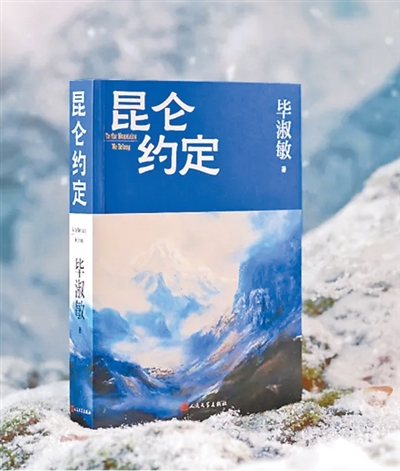
《昆仑约定》

Search documents
用热血与忠诚书写时代史诗
Xin Lang Cai Jing· 2026-02-19 17:50
Core Viewpoint - The novel "Kunlun Agreement" by Bi Shumin is a profound exploration of the lives of border soldiers in the 1960s and 1970s, revealing the resilience of human spirit and the weight of history through its characters and their experiences [2][3][4][5] Summary by Sections Story Background - The narrative is set against the backdrop of the highland border defense during the 20th century, drawing from the author's personal experiences to create a vivid historical tapestry [3][4] - The focus is on ordinary yet remarkable soldiers, highlighting their daily lives, emotional struggles, and aspirations, rather than grand military scenes [3][4] Character Development - Key characters include Guo Huanjin, a soldier embodying loyalty and perseverance; Jing Zilian, an idealist inspiring those around him; and Mai Qingqing, a courageous woman bringing warmth to a male-dominated environment [3][4] - Each character represents a shared trait of unwavering loyalty to the country and a strong sense of duty [3][4] Themes Explored - The novel delves into themes of human nature, love, and friendship, showcasing the brilliance of humanity in extreme conditions [4] - The bonds of friendship among soldiers serve as a guiding light through adversity, while the love stories depicted are marked by steadfastness rather than romanticism [4] Writing Style - Bi Shumin's writing is characterized by simplicity and sincerity, effectively conveying deep emotions without ornate language [4] - The narrative structure intertwines multiple storylines, enriching the overall narrative and adding complexity [4] Overall Significance - "Kunlun Agreement" is viewed as a significant historical epic that prompts readers to reflect on the sacrifices made by soldiers for peace and happiness [5] - The book serves as a mirror for contemporary society, encouraging resilience and appreciation for genuine relationships [5] - It aims to inspire readers to draw strength from the stories of border soldiers and to carry forward their spirit [5]

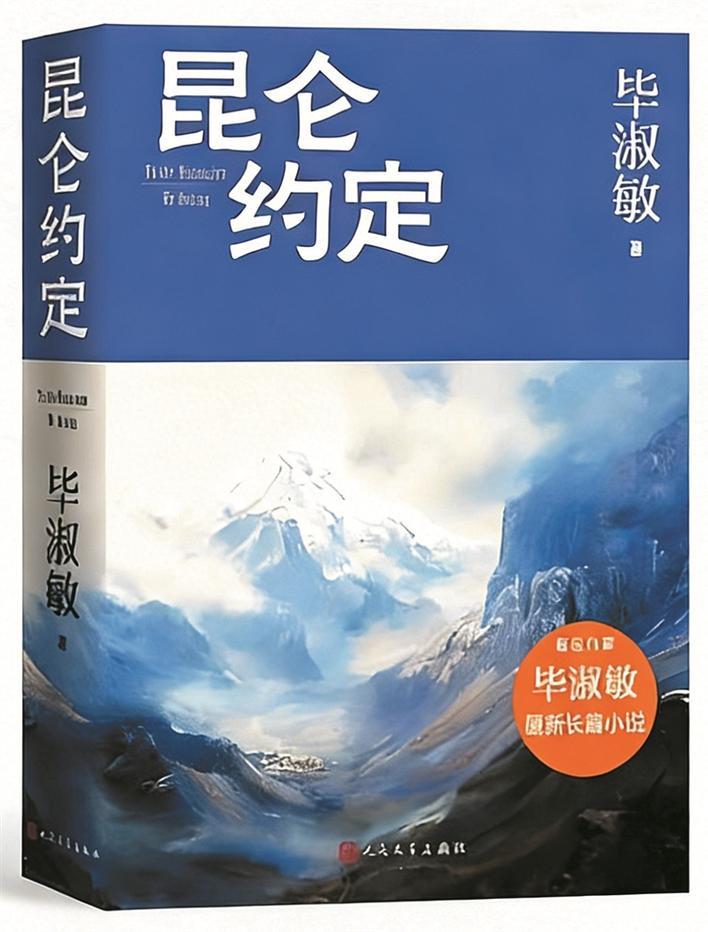
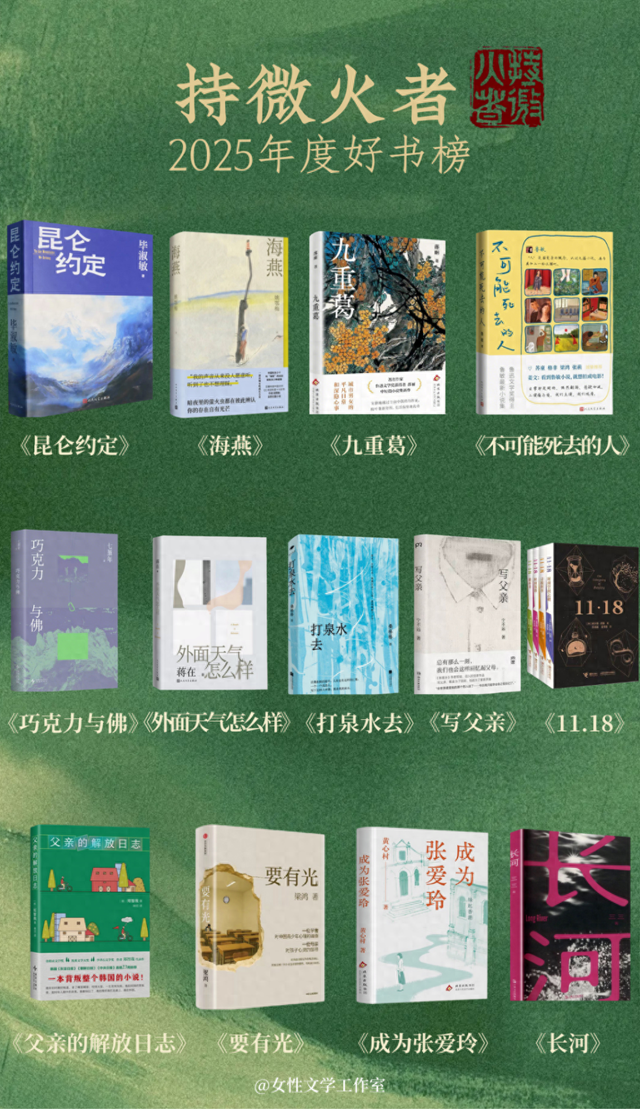
汇聚女性力量,持微火者·女性文学好书榜发布
Xin Lang Cai Jing· 2026-01-14 01:13
Core Insights - The "Holding the Micro Fire: Women's Literature Best Books List" for 2025 has been released, highlighting ten notable works by female authors, emphasizing the importance of women's perspectives in literature [1][4]. Group 1: Award Winners - The ten awarded books include works by authors such as Bi Shumin, Shao Li, and Lu Min, among others, showcasing a diverse range of themes and narratives [1]. - Special recommendations were given to Liang Hong's "To Have Light" and Huang Xincun's "Becoming Zhang Ailing," indicating their significant contributions to contemporary literature [1][5]. Group 2: Author Insights - Award-winning author Solwei Balle expressed the importance of connecting with others through writing, encouraging young women to share their stories [5]. - Zheng Zhiwo highlighted the honor of receiving a women's literature award in China, attributing his success to his parents and emphasizing the mission of achieving human equality [5]. - Liang Hong discussed the personal challenges faced while writing "To Have Light," aiming to foster understanding between generations [6]. - Huang Xincun focused on the historical and emotional depth of Zhang Ailing's life, aiming to revive her essence through literature [6]. Group 3: Themes in Women's Writing - Yao Emei emphasized the unique perspectives of female writers, advocating for the representation of women's stories in literature [7]. - Bi Shumin described women's writing as a journey towards understanding humanity, encouraging writers to explore their inner struggles and strengths [8]. Group 4: New Female Writing - Discussions on "New Female Writing" highlighted the need for a broader perspective on women's experiences within complex social networks, marking a significant trend in contemporary literature [8][10]. - The role of publishing in promoting women's literature was underscored, with digital platforms providing unprecedented opportunities for female authors to reach audiences directly [10]. Group 5: Future of Women's Literature - Zhang Li, the organizer, emphasized the goal of the "Holding the Micro Fire" initiative to showcase Chinese women's stories within a global literary context, aiming for greater visibility and recognition of women's literature [11].
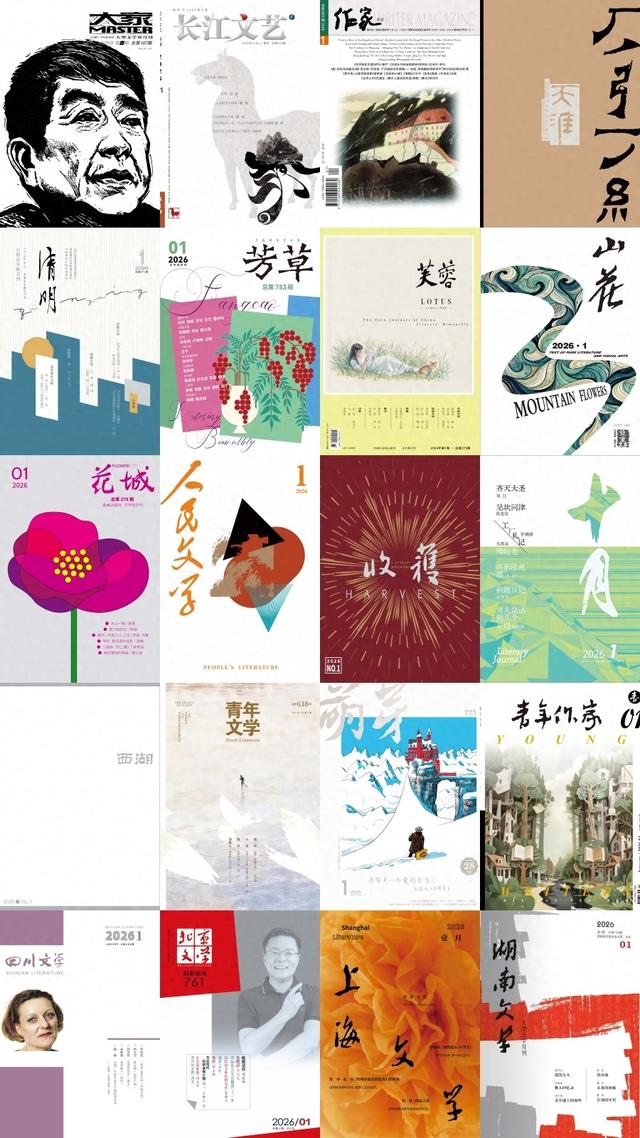
22家刊物共答“原创之问”:2026,文学如何捍卫真实?
Xin Lang Cai Jing· 2026-01-01 01:17
Core Viewpoint - The literary magazines of 2026 are focusing on originality and the challenges posed by AI writing, emphasizing the need for trust and quality in literary works [1][4][8]. Group 1: Originality Measures - 22 literary magazines, including "People's Literature," "Harvest," and "October," are implementing various measures to ensure the originality of published works, such as requiring authors to sign originality statements and establishing blacklists for violators [4][8]. - "People's Literature" has increased editor training to enhance originality verification and will impose publication bans on confirmed plagiarists [8]. - "Harvest" is calling for industry-wide legal standards to clarify the differences between imitation, homage, and plagiarism, aiming to rebuild trust between publications, authors, and readers [12]. Group 2: New Initiatives and Features - "People's Literature" will feature a new column "New Wave·Pilgrimage," focusing on young authors from specific administrative regions, increasing the representation of grassroots and amateur writing [8]. - "Harvest" is launching new columns, including one by poet Chen Dongdong discussing poetry, and another by Ma Boyong exploring historical and literary sites [12]. - "October" is increasing its non-fiction content and will publish a new column focusing on the realities of the publishing industry [16]. Group 3: Notable Works and Authors - "People's Literature" is set to publish significant works, including a long-form non-fiction piece by A Lai and a novel by Ma Boyong [7]. - "Harvest" features a long novel by Xu Yi and a short story by Fei Duo, addressing themes of modernization and AI [11]. - "October" will present a mid-length novel by Liu Ting, exploring the struggles of the publishing industry [15]. Group 4: Technology and AI in Literature - Various magazines are adopting technology to assist in originality checks, with "People's Literature" and "Harvest" both emphasizing the importance of human judgment alongside technological tools [8][12]. - "Shanghai Literature" will require authors to sign originality statements, explicitly rejecting AI-generated content [40]. - "Long River Literature" is enhancing its editorial training to improve the ability to discern original works from AI-generated ones [43].
写下对昆仑山脉的承诺(书里书外)
Ren Min Ri Bao· 2025-07-01 01:11
Core Viewpoint - The article reflects on the author's deep connection to the Kunlun Mountains, emphasizing the importance of remembering the sacrifices made by soldiers who defended the peace along the borders, and the author's journey of writing a novel inspired by these experiences [1][2][4]. Group 1: Background and Inspiration - The Kunlun Mountains are described as a significant geographical and spiritual symbol for the author, representing a source of inspiration and a connection to their past as a border soldier [1][4]. - The author expresses a desire to honor the memories of fellow soldiers who served in harsh conditions, highlighting their bravery and dedication [2][4]. Group 2: Writing Journey - The author initially hesitated to write due to concerns about their writing skills but ultimately decided to document their experiences and memories as they approached their 70th birthday [5][6]. - The writing process was physically demanding, leading to health issues, yet the author persevered to complete the novel "Kunlun Agreement," fulfilling a long-held promise to share these stories [5][6][7]. Group 3: Themes and Symbolism - The narrative includes references to mythical creatures and the spiritual essence of the Kunlun Mountains, symbolizing the connection between nature and the human experience [2][4]. - The author emphasizes the importance of preserving memories and stories of the past, particularly those of the soldiers who served in the region, as a way to keep their legacy alive [5][6].