
戍边精神

Search documents
西藏日喀则海拔5000米以上哨所官兵守护边境万家灯火
Xin Lang Cai Jing· 2026-02-23 13:29
Core Viewpoint - The article highlights the significant improvements in living conditions for soldiers stationed at high-altitude border posts in Tibet, emphasizing their dedication to national security despite the harsh environment [1][2][4][5][11]. Group 1: Living Conditions - Soldiers at the 5309-meter Renla post have seen a transformation from basic living conditions to well-equipped facilities, including solid barracks, heating, and internet access, allowing them to connect with family [2][4]. - The supply chain for essential goods has improved, ensuring that even remote posts receive necessary supplies within two days [5]. - The 5592-meter post has also seen enhancements, with soldiers engaging in recreational activities and maintaining a sense of community despite the isolation [7][9]. Group 2: Personal Stories and Experiences - Soldier Wang Yeting expresses guilt over being away from his family, highlighting the emotional toll of long separations and the challenges faced during family emergencies [4]. - Danzeng Duoji, a soldier from the region, shares his pride in serving at the border and the sense of belonging he feels within the military, considering it his second home [5]. - Soldier Li Cundong describes the physical challenges of patrolling in extreme weather conditions, emphasizing the commitment to duty and the camaraderie among soldiers [10][11].


用热血与忠诚书写时代史诗
Xin Lang Cai Jing· 2026-02-19 17:50
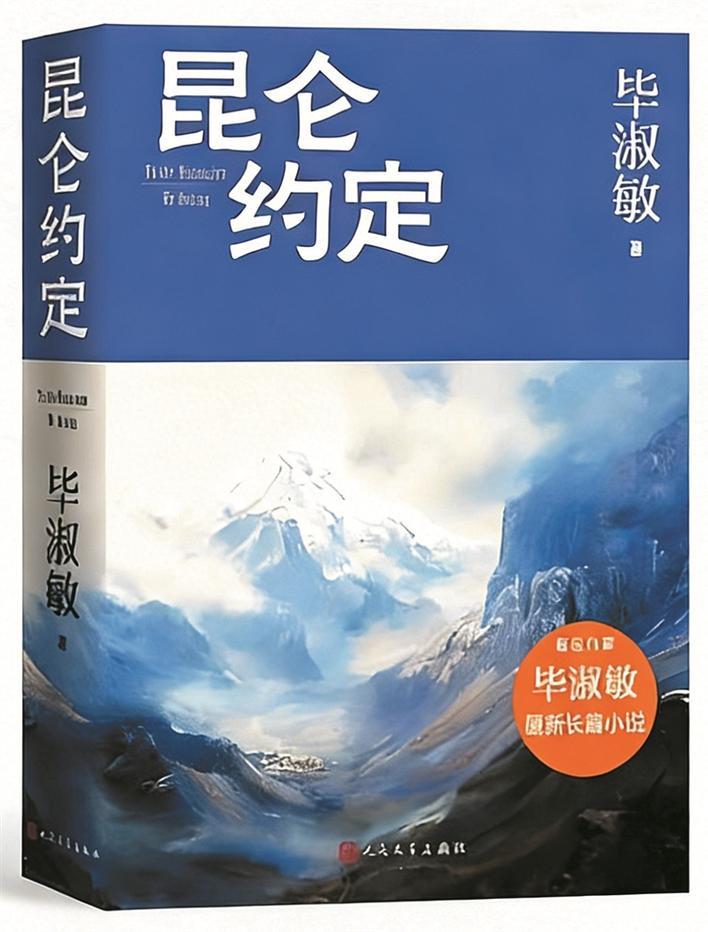
Core Viewpoint - The novel "Kunlun Agreement" by Bi Shumin is a profound exploration of the lives of border soldiers in the 1960s and 1970s, revealing the resilience of human spirit and the weight of history through its characters and their experiences [2][3][4][5] Summary by Sections Story Background - The narrative is set against the backdrop of the highland border defense during the 20th century, drawing from the author's personal experiences to create a vivid historical tapestry [3][4] - The focus is on ordinary yet remarkable soldiers, highlighting their daily lives, emotional struggles, and aspirations, rather than grand military scenes [3][4] Character Development - Key characters include Guo Huanjin, a soldier embodying loyalty and perseverance; Jing Zilian, an idealist inspiring those around him; and Mai Qingqing, a courageous woman bringing warmth to a male-dominated environment [3][4] - Each character represents a shared trait of unwavering loyalty to the country and a strong sense of duty [3][4] Themes Explored - The novel delves into themes of human nature, love, and friendship, showcasing the brilliance of humanity in extreme conditions [4] - The bonds of friendship among soldiers serve as a guiding light through adversity, while the love stories depicted are marked by steadfastness rather than romanticism [4] Writing Style - Bi Shumin's writing is characterized by simplicity and sincerity, effectively conveying deep emotions without ornate language [4] - The narrative structure intertwines multiple storylines, enriching the overall narrative and adding complexity [4] Overall Significance - "Kunlun Agreement" is viewed as a significant historical epic that prompts readers to reflect on the sacrifices made by soldiers for peace and happiness [5] - The book serves as a mirror for contemporary society, encouraging resilience and appreciation for genuine relationships [5] - It aims to inspire readers to draw strength from the stories of border soldiers and to carry forward their spirit [5]
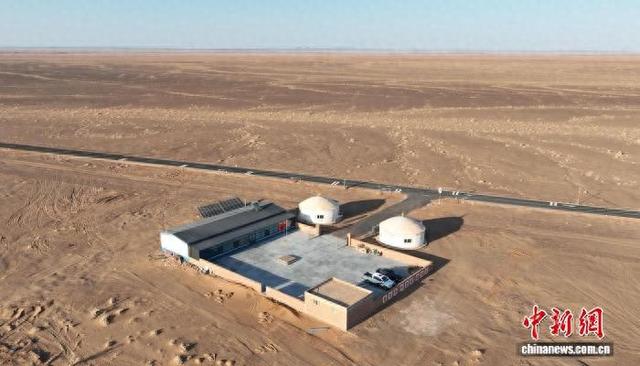
(新春走基层)夫妻警务室里的戍边年:最近的守候,最远的团圆
Zhong Guo Xin Wen Wang· 2026-02-15 05:09
Core Viewpoint - The article highlights the dedication and resilience of a couple, Xu Naichao and Li Wenna, who serve as police officers in a remote border area of Inner Mongolia, emphasizing their commitment to both their family and their duty to protect the border during the festive season [1][3]. Group 1: Background and Setting - The couple operates the first "Border Guard Couple Police Station" in Inner Mongolia, established in a challenging environment lacking basic amenities such as electricity, water, and internet [3]. - The police station is responsible for a vast area of 3,145 square kilometers along a 103-kilometer stretch of the China-Mongolia border [1]. Group 2: Family and Personal Sacrifices - Xu Naichao and Li Wenna decided to move to the border area together, with their daughter, to maintain family unity while fulfilling their duties [3]. - The couple's daughter, Mengmeng, is introduced to the significance of their work, symbolizing the passing of values and responsibilities to the next generation [3][6]. Group 3: Community Engagement and Impact - Over four years, the couple has built strong relationships with local herders, providing support and assistance, which has fostered a sense of community and trust [9]. - The couple's efforts have led to significant improvements in local infrastructure, including the construction of oil roads, access to water, and the establishment of community services such as a medical room and convenience store [9]. Group 4: Personal Reflections and Future Aspirations - The couple reflects on their journey, expressing a desire for their daughter to understand the importance of patriotism and border security, hoping she will one day follow in their footsteps [10].
“人民楷模”布茹玛汗·毛勒朵:护边与调解,都是守护家国安宁
Xin Lang Cai Jing· 2026-02-14 13:28
Core Viewpoint - The article highlights the dual role of Bu Ruma Khan Maoleduo as a border protector and a mediator, emphasizing her contributions to social stability and border security in Xinjiang [1] Group 1: Role and Contributions - Bu Ruma Khan Maoleduo has dedicated over sixty years to border protection in Xinjiang, showcasing her commitment to safeguarding national security [1] - As a mediator in the "Patriotic Border Defense Mediation Room," she actively resolves neighborhood disputes, using her experiences to educate others about the importance of border defense [1] - The article underscores the connection between her roles in border protection and mediation, both aimed at maintaining social stability and ensuring border tranquility [1]
新春走基层丨铲羊粪、找骆驼 边境派出所新警在“生命禁区”里唱响青春之歌
Yang Shi Xin Wen Ke Hu Duan· 2026-02-13 08:14
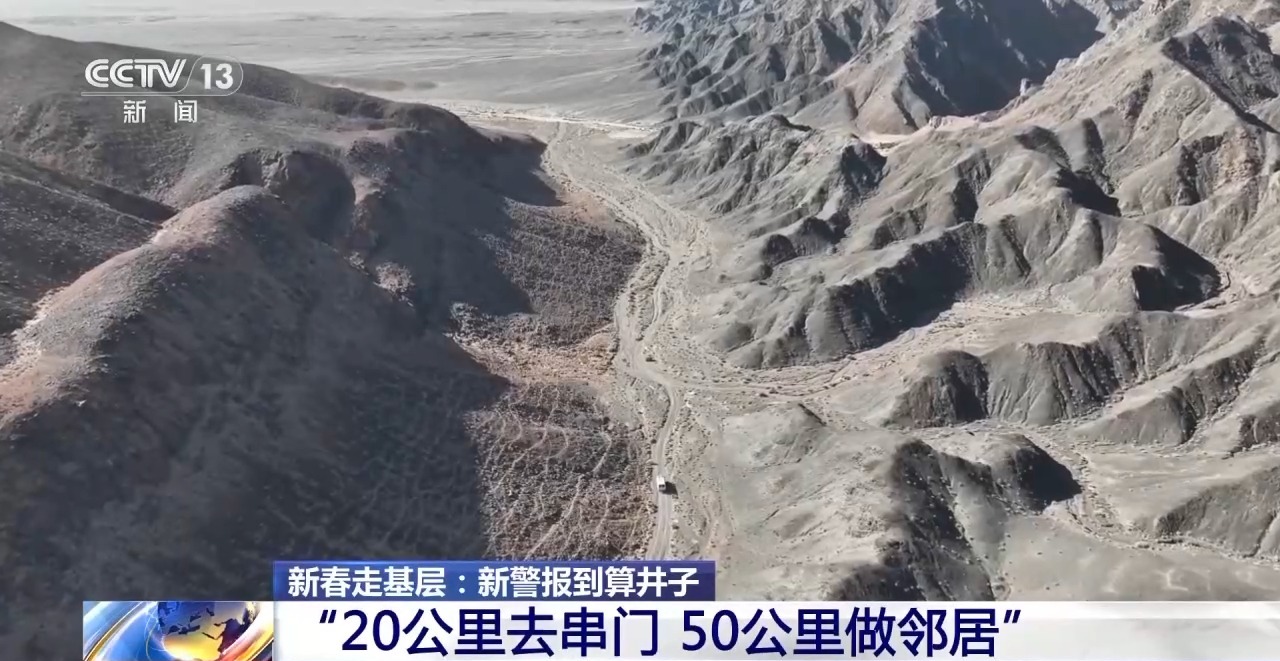
Core Viewpoint - The article highlights the transformation of the Suan Jizi Border Police Station in Inner Mongolia, showcasing the dedication of young police officers in serving the local herders and adapting to the challenging environment over the years [1]. Group 1: Community Engagement - The Suan Jizi Border Police Station has a history of strong ties with local herders, emphasizing the importance of community support and assistance since its establishment in 1971 [21]. - New police recruits, aged in their twenties, are actively involved in helping local herders with daily tasks, such as cleaning sheep pens, which fosters a sense of camaraderie and community spirit [1][6][14]. - The police station's efforts have significantly alleviated the burdens of local herders, especially single mothers like Hasiqiqige, who have received help during difficult times [14][18]. Group 2: Environmental Challenges - The Suan Jizi area is characterized by extreme aridity and harsh living conditions, previously deemed unsuitable for human habitation [1]. - Recent infrastructure developments, including water wells and road access, have dramatically improved living conditions for both police and local residents [41]. - The successful drilling of a water well at a depth of 128 meters in 2020 marked a significant milestone, providing a reliable water source for the community [41]. Group 3: Cultural Integration - The police officers celebrate cultural traditions, such as preparing hometown dishes during the Spring Festival, which strengthens their bond with the local community [43][49]. - The article illustrates the emotional connections formed between police officers and local residents, highlighting mutual support and understanding in a challenging environment [20][45]. Group 4: Personal Growth and Commitment - The experiences of the young police officers reflect their commitment to serving in a challenging environment, with many expressing a desire to grow and contribute positively to their community [51][53]. - The article emphasizes the importance of resilience and dedication among the officers, as they adapt to the demands of their roles while building lasting relationships with the local population [29][31].
视频丨致敬极寒“无人区”的“北疆哨兵”
Yang Shi Xin Wen Ke Hu Duan· 2026-02-07 08:52
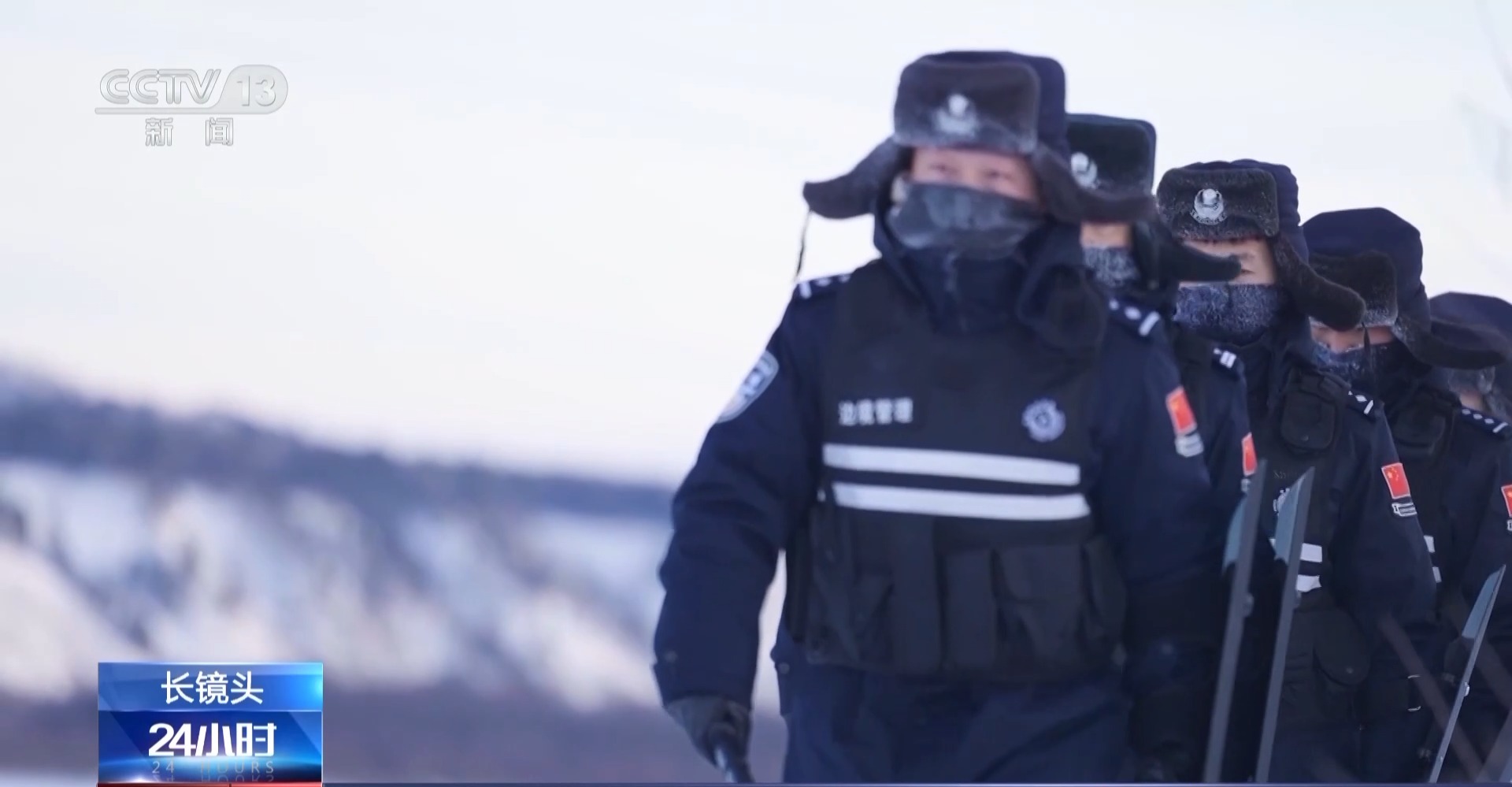
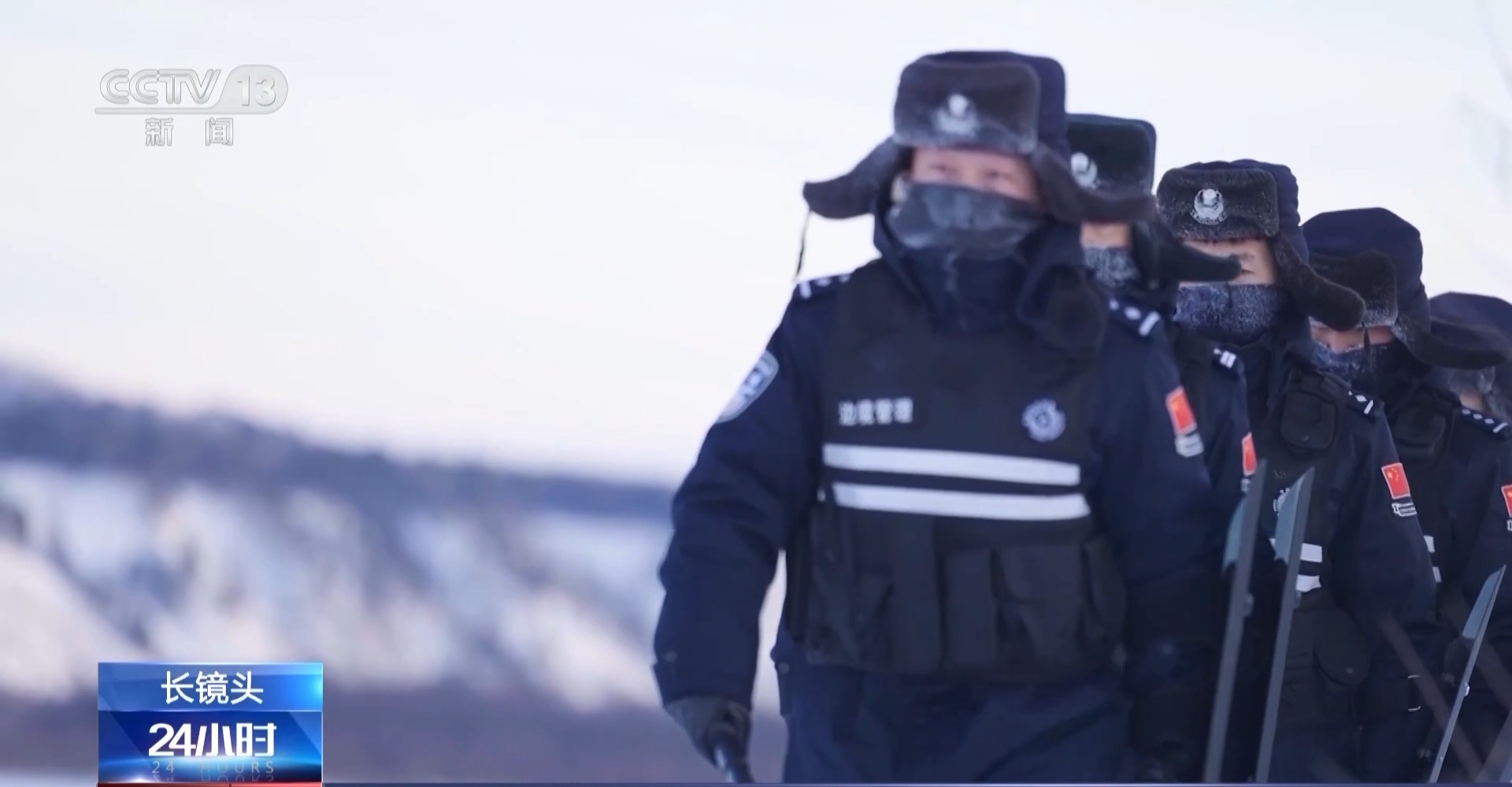
Core Viewpoint - The Enhe Hada Border Police Station, located in the extreme cold region of Inner Mongolia, is celebrated for its dedication to safeguarding the northern border of China, with officers enduring harsh conditions to maintain security and stability in this remote area [1][3]. Group 1: Location and Environment - Enhe Hada Town is the only town in China without a permanent population, situated in a 5,895 square kilometer uninhabited area, 620 kilometers from the nearest city, Eerguna [5]. - The region experiences extreme winter temperatures, with lows reaching -58°C, making it a challenging environment for the stationed officers [1][3]. Group 2: Historical Context - The first generation of border guards arrived in 1995, and the tradition of service has continued for over 31 years, with each generation contributing to the legacy of border protection [7]. Group 3: Daily Life and Challenges - Officers face significant challenges, including isolation and harsh living conditions, with many only returning home two to three times a year [15][17]. - The initial adjustment to the dry climate and extreme cold is difficult for new officers, highlighting the unique challenges of life in this remote area [11][13]. Group 4: Emotional and Psychological Aspects - Loneliness is a prevalent issue among officers, who often find themselves surrounded only by nature and wildlife [13]. - Officers express feelings of guilt for not being able to spend time with their families, especially during festive seasons [15][17]. Group 5: Legacy and Mentorship - There is a strong sense of tradition and mentorship among the officers, with experienced guards sharing stories and experiences to guide newcomers [19][21]. - New officers feel a deep sense of honor and belonging when performing their duties, particularly when marking the border monuments [23][25].
致敬极寒“无人区”的“北疆哨兵”
Yang Shi Xin Wen Ke Hu Duan· 2026-02-07 08:19
Core Viewpoint - The Enhe Hada Border Police Station, located in the extreme cold region of Inner Mongolia, is celebrated for its dedication to safeguarding the northern border of China, with officers enduring harsh conditions and isolation to maintain security [1][3]. Group 1: Location and Environment - Enhe Hada Town is the only town in China without a permanent population, situated in a remote area of the Greater Khingan Mountains, 620 kilometers from the city of Eerguna, serving as both a primitive forest area and a border stronghold [3]. - The police station operates in a 5,895 square kilometer area, characterized by extreme cold, with winter temperatures dropping to as low as -58°C [1]. Group 2: Historical Context - The first generation of border guards arrived in 1995, and the tradition of service has continued for over 31 years, with successive generations of officers maintaining their commitment to the region [5]. Group 3: Daily Life and Challenges - Officers face significant challenges, including adapting to the dry climate and extreme cold, which can lead to physical discomfort [9]. - Loneliness is a major issue for the officers, as they often spend long periods away from their families, typically returning home only two to three times a year [11][13]. Group 4: Emotional and Cultural Aspects - The officers express feelings of guilt for not being able to spend time with their families, particularly during festive seasons [15]. - There is a strong sense of pride and honor among the officers when performing their duties, especially when interacting with border markers, which instills a deep sense of belonging and responsibility [21][23]. Group 5: Mentorship and Legacy - Experienced officers pass down stories and knowledge to new recruits, fostering a sense of tradition and continuity within the station [17][19]. - The younger generation of officers feels inspired by the dedication of their predecessors and aims to uphold the same level of commitment to their duties [19].
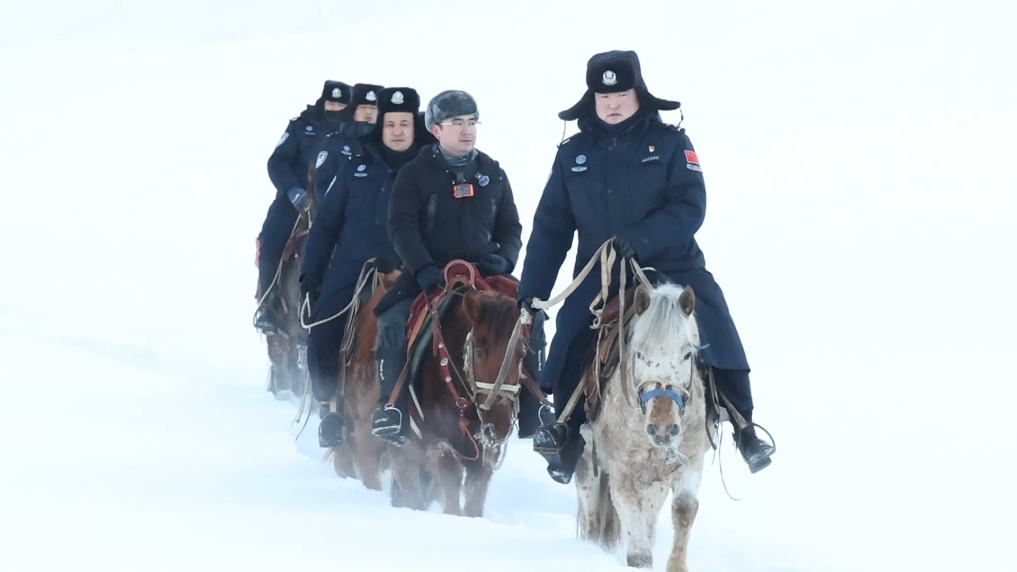
新春走基层·忙年丨踏雪巡逻,他们骑行在祖国边境线
Xin Hua She· 2026-02-07 01:55
Core Viewpoint - The article highlights the dedication and resilience of border patrol officers in Xinjiang, who continue to perform their duties despite harsh winter conditions and challenging terrain [2][4][7]. Group 1: Current Conditions - Xinjiang experienced a significant cold wave in mid to late January, leading to a rapid drop in temperatures [1]. - As the Spring Festival approaches, the atmosphere of the New Year is becoming more pronounced, prompting inquiries into the current situation of border patrol personnel [2]. Group 2: Patrol Activities - Officers in the border patrol focus on monitoring key mountain passes during winter, which are critical for border security [4]. - Officer Bilemu Bek Talaribek, with 13 years of experience, is noted as the best rider in the local border police station, demonstrating leadership in patrols [4]. Group 3: Officer Experiences - Young riders, despite facing extreme cold and harsh winds, remain committed to their duties, showcasing a strong sense of national pride and responsibility [7]. - The patrol team consists of individuals with varying backgrounds and experiences, united by their determination to serve at the border [7].
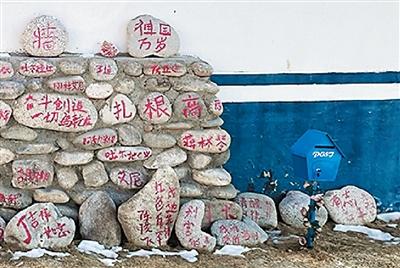
排依克来信(人民家书)
Ren Min Ri Bao Hai Wai Ban· 2026-01-15 22:44
Core Viewpoint - The article highlights the dedication and emotional connection of border patrol officers stationed at the Paekik Border Police Station in Xinjiang, showcasing their commitment to safeguarding the border and their heartfelt letters to the future, which symbolize their unwavering spirit and sense of duty [2][3][5]. Group 1: Overview of the Border Patrol Station - The Paekik Border Police Station, established in 1950, is located at the strategic junction of China, Tajikistan, Afghanistan, and Pakistan, covering an area of 2,500 square kilometers and a border line of 197.4 kilometers [3]. - The station is recognized for its challenging environment, with an average altitude of over 4,600 meters, and was awarded the title of "National Model Police Station" by the Ministry of Public Security in September 2025 [3][4]. Group 2: The Time Capsule Concept - A unique "Time Capsule" at the station serves as a repository for letters written by officers to their future selves, comrades, and the land they protect, symbolizing their promises and dedication [2][4]. - These letters reflect the harsh realities faced by the officers, including extreme weather conditions and the psychological challenges of their duties, creating a vivid portrayal of their experiences [4][5]. Group 3: Personal Reflections from Officers - Officer Liu Zuoyu expresses his struggles with altitude sickness and emphasizes the importance of remembering the reasons for choosing this challenging role, highlighting the sense of responsibility and commitment to national dignity [25][26]. - Officer Jiang Xuhui shares his journey of adapting to the high-altitude environment and the lessons learned from his predecessors, reinforcing the values of dedication and perseverance [19][20]. - Officer Yang Tengfei recounts his initial experiences at the station, emphasizing the camaraderie among officers and their collective determination to protect the border despite the harsh conditions [21][24].
重庆姑娘9万针绣移民管理标志赠戍边丈夫战友
Xin Lang Cai Jing· 2026-01-11 01:43
Core Viewpoint - The story highlights the dedication and emotional connection of a woman, Tang Dan, who created a cross-stitch artwork symbolizing the Chinese immigration management emblem, reflecting her support for her husband and the border police community [1][2]. Group 1: Background and Motivation - Five years ago, Tang Dan moved to Tibet with her infant child to support her husband, Ye Gaosheng, who serves at the Zhaqu Border Inspection Station [1]. - Despite concerns from her mother about the harsh living conditions, Tang Dan remained resolute, stating, "Wherever he is, home is there" [1]. Group 2: Creation of the Artwork - Starting in January 2025, Tang Dan dedicated herself to stitching the immigration management emblem, focusing on every detail, including the shield outline and the Great Wall [2]. - After a year of work, she completed over 90,000 stitches, and the unveiling of the artwork was met with applause and admiration from the border police [2]. Group 3: Community Impact - The completed artwork became a source of pride and inspiration for the border police, leading to widespread sharing and appreciation on social media [2]. - The piece now resides in the honor room of the inspection station, symbolizing the dedication and camaraderie among the officers [2].