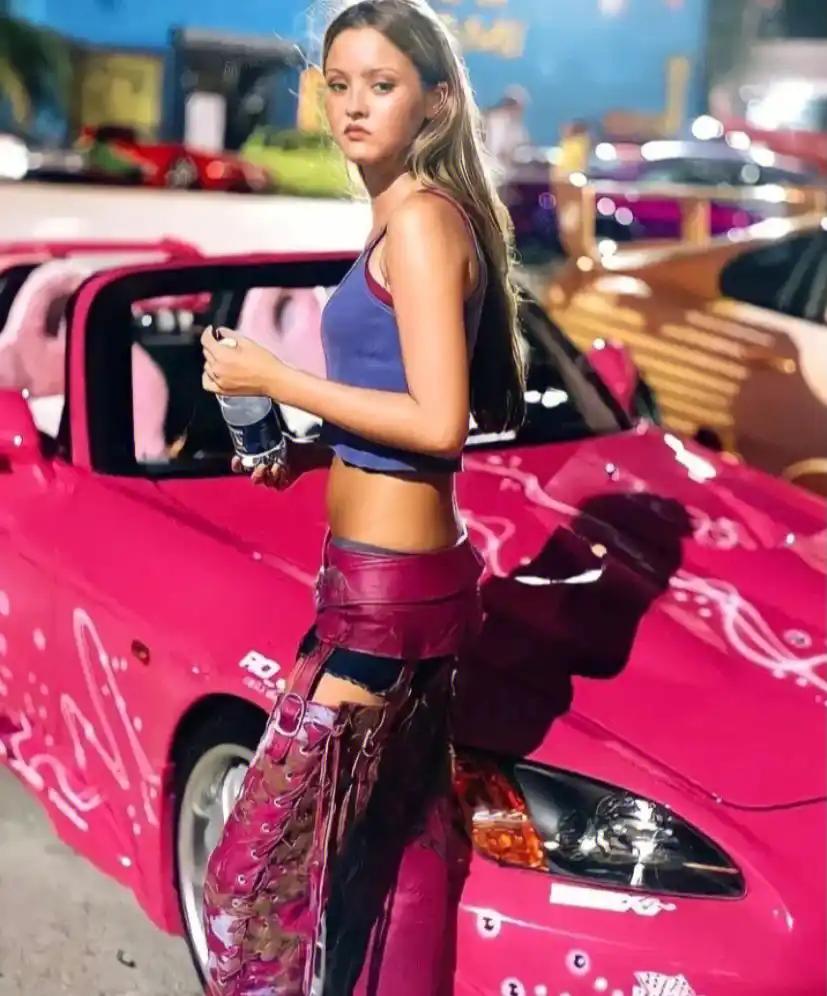
《昨日青春》

Search documents
部分影院回应:已收到日本电影撤档通知
Zhong Guo Xin Wen Wang· 2025-11-17 12:49
Core Points - Japanese films "Cells at Work" and "Crayon Shin-chan: Hot Spring Dance" have been reported to be withdrawn from their scheduled release dates, with new dates yet to be determined [1][3] - "Crayon Shin-chan: Hot Spring Dance" was originally set to release on December 6, while "Cells at Work" was scheduled for November 22, with pre-sales already initiated [3] - Some cinemas have confirmed receiving notifications about the withdrawal of these films, while others have not yet received such information [3][5] Film Release Updates - In addition to the withdrawn films, two other Japanese films, "First Kiss" and "Yesterday's Youth," are still set to release on December 5 [5] - Several Japanese films have confirmed their introduction but have yet to set release dates, including "Exit 8," "Revenge Princess Scarlett," and "Blue Star" [5] - The currently screening Japanese animated film "Demon Slayer: Mugen Train" is expected to end its run earlier than planned, although cinemas have not received official notices regarding this [5] Distribution and Screening Details - The distribution of "Demon Slayer: Mugen Train" is structured in phases, with the first phase running from November 14 to November 16, the second from November 17 to November 20, and the third from November 21 to November 23 [5]


从周杰伦到揽佬,我们经历了怎样的审美周期?
3 6 Ke· 2025-07-30 08:21
Group 1 - The article discusses the concept of "economic upward beauty," reflecting on nostalgia for early 2000s aesthetics and cultural elements, such as fashion and music, which symbolize a confident and optimistic economic period [1][2][3] - The rise of rapper Lan Lao, who surpassed Jay Chou in monthly listeners on Spotify, is seen as a representation of "economic downward beauty," contrasting the past's confidence with a current aesthetic that reflects economic challenges [1][8] - The discussion includes how economic cycles influence perceptions of beauty and aesthetics, questioning whether nostalgia for the past is genuine or merely a filtered memory [1][12] Group 2 - The conversation highlights the duality of beauty in economic contexts, with "economic upward beauty" associated with modernity and optimism, while "economic downward beauty" reflects a return to local roots and cultural identity [12][13] - The participants express that nostalgia is not just about longing for the past but also about reconnecting with one's identity and cultural heritage in the face of economic uncertainty [12][13] - The article suggests that the current cultural landscape is marked by a blend of nostalgia and innovation, where past aesthetics are reinterpreted to address contemporary emotional needs [17][18]