《未知的首尔》

Search documents
我对自己比任何人都残忍
Hu Xiu· 2025-08-19 12:59
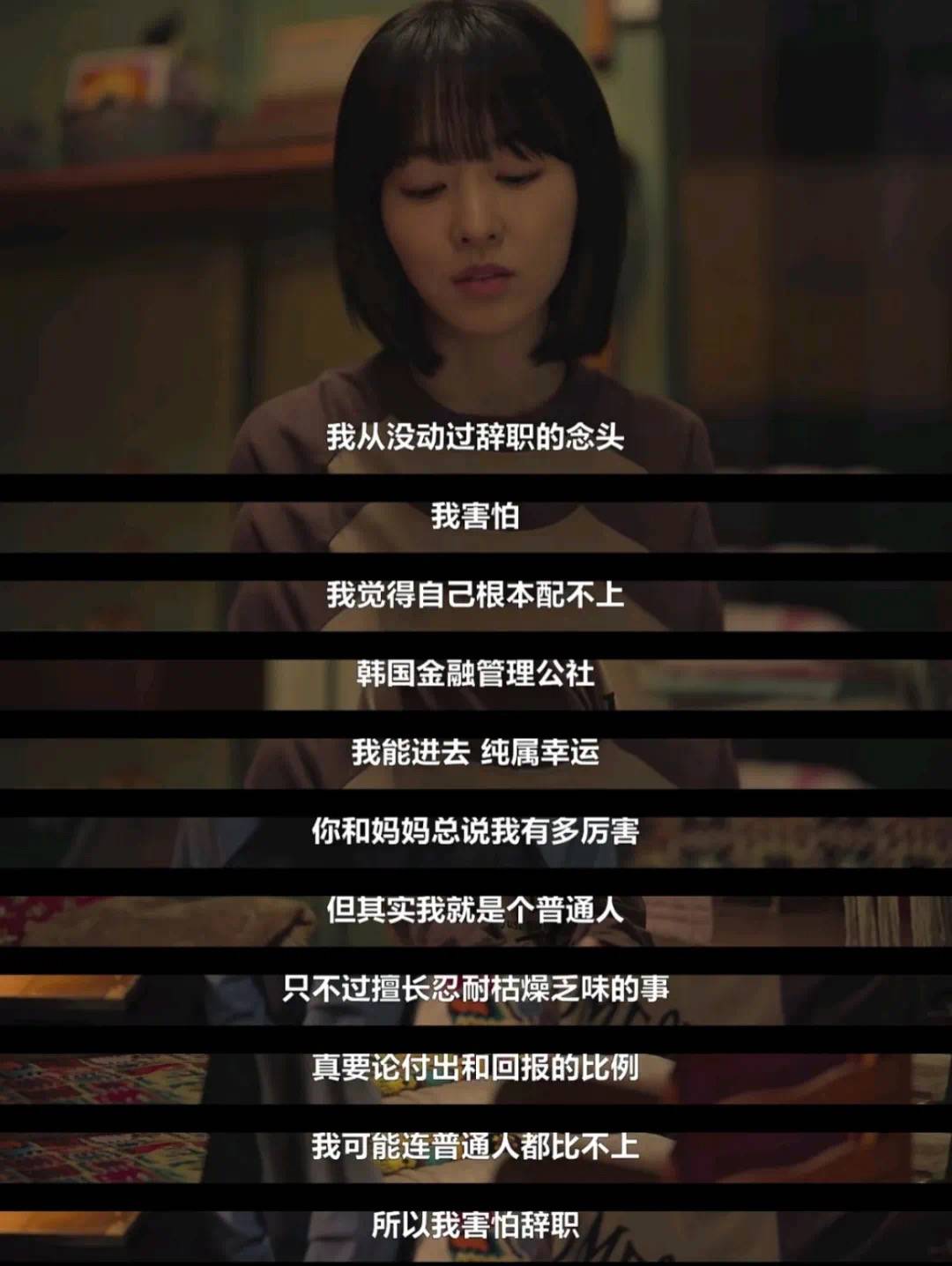
Core Insights - The article discusses the psychological themes presented in the popular Korean drama "Unknown Seoul," highlighting the internal struggles of characters who grapple with self-doubt and self-criticism [1][2][32]. Group 1: Character Analysis - The character of Yu Mi-rae represents the "preventive orienter," driven by fear of failure rather than the joy of success, leading to a life of anxiety and self-doubt [13][14]. - Yu Mi-rae's sister, Yu Ji-woo, embodies "self-injurious narcissism," feeling worthless and unloved, which leads to a deep sense of self-loathing [15][21]. - Lee Ha-soo, another character, experiences low self-esteem despite external success, reflecting a disconnect between societal recognition and self-worth [24][25]. Group 2: Psychological Themes - The concept of "recognition addiction" is introduced, where individuals rely heavily on external validation to maintain self-esteem, leading to deeper self-neglect when such validation is absent [34][35]. - The article emphasizes the societal pressures that exacerbate these psychological issues, particularly within the context of East Asian culture and the neoliberal framework [38][39]. - Self-harm is discussed as a survival strategy in a harsh social environment, providing temporary relief but ultimately reinforcing negative self-perceptions [40][41]. Group 3: Path to Healing - The narrative suggests that rebuilding healthy narcissism is possible through unconditional love and support from family, as demonstrated by the characters' relationships with their grandmother [46][52]. - The importance of self-compassion and gentle self-talk is highlighted as a means to counteract the internalized criticism and self-hatred prevalent among the characters [56][58].

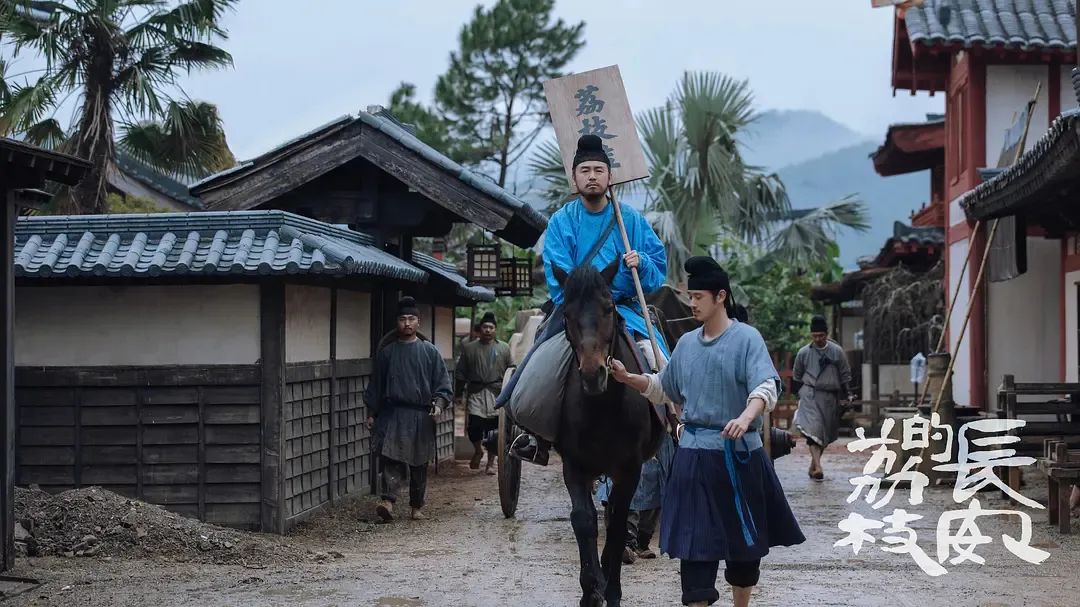
长安的荔枝:盛唐社畜启示录
3 6 Ke· 2025-06-18 03:21
Core Viewpoint - The drama "The Lychee of Chang'an" reflects the struggles and realities of ordinary workers in the workplace, highlighting the challenges of project management and interpersonal relationships in a corporate environment [4][10][22]. Group 1: Workplace Dynamics - The character Li Shande represents the diligent yet naive employee who faces overwhelming pressure and unrealistic expectations in a corporate setting [6][19]. - The character Zheng Ping'an embodies the seasoned professional who navigates the complexities of workplace relationships, often resorting to flattery and manipulation to survive [12][13]. - The interactions between characters illustrate the common workplace issues of blame-shifting and lack of support, as seen in the dynamics between Li Shande and his superiors [8][12]. Group 2: Project Management Challenges - The narrative emphasizes the difficulties of managing projects, particularly the logistics of transporting lychees, which serves as a metaphor for real-life project management challenges [4][7]. - Key lessons from the story include the importance of documentation and the need to be present during meetings to avoid being assigned unwanted tasks [7][11]. - The character's attempts to secure resources and support for the lychee project reflect the necessity of strategic thinking and negotiation skills in a corporate environment [11][23]. Group 3: Audience Resonance - The show resonates with viewers who see their own struggles reflected in the characters, particularly in the context of modern workplace challenges such as burnout and the pressure to conform [18][21]. - The shift in focus from elite professionals to ordinary workers in workplace dramas indicates a growing audience desire for relatable content that mirrors their experiences [10][19]. - The portrayal of characters facing real-life dilemmas fosters a sense of connection and empathy among viewers, as they navigate their own professional challenges [21][24].
长安的荔枝:盛唐社畜启示录
雪豹财经社· 2025-06-17 15:47
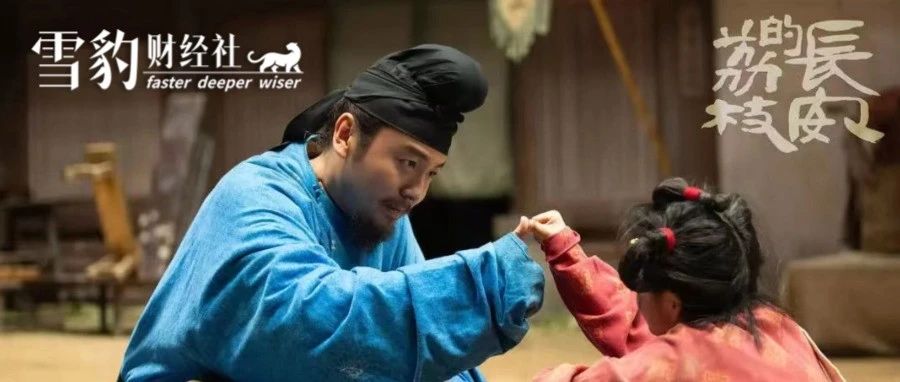
Core Viewpoint - The article discusses the themes of ordinary people's struggles and growth in the workplace, as depicted in the drama "Chang'an's Lychee," highlighting the contrast between diligent employees and those adept at navigating office politics [9][19]. Summary by Sections Workplace Dynamics - The character Li Shande represents the hardworking but naive employee, while Zheng Ping'an embodies the seasoned office veteran who excels in social interactions and navigating complex workplace relationships [18][22]. - The show illustrates the challenges of project management, particularly in the context of unrealistic expectations and the need for collaboration across departments [10][12]. Lessons from the Drama - Key workplace lessons include the importance of being present in meetings, documenting work, and understanding the dynamics of inter-departmental cooperation [11][13]. - The narrative emphasizes the pitfalls of office politics, such as being scapegoated and the necessity of strategic thinking to survive in a competitive environment [10][12]. Audience Resonance - Recent workplace dramas have shifted focus from elite professionals to relatable characters facing everyday challenges, allowing viewers to find solace and connection in their struggles [29][31]. - The article notes that audiences resonate with characters who reflect their own experiences of pressure, failure, and the quest for personal fulfillment in the workplace [31][32]. Conclusion - "Chang'an's Lychee" serves as a commentary on the modern workplace, blending realism with the potential for personal growth, ultimately suggesting that despite challenges, individuals can find their own paths to success [32][33].
又来一个8.8,韩剧今年强得可怕
Hu Xiu· 2025-06-06 05:42
Group 1 - The article discusses the concept of identity swapping as a means to navigate life's challenges, particularly through the lens of the Korean drama "Unknown Seoul" [3][11][32] - The main characters, two sisters, represent contrasting life paths and personalities, highlighting the societal pressures and expectations placed on individuals [18][30][62] - The narrative explores themes of self-identity, societal comparison, and the quest for personal fulfillment, questioning whether adopting another's identity leads to a better life [22][54][76] Group 2 - The drama reflects on the struggles of individuals in urban versus rural settings, raising questions about happiness and success in different environments [34][39][60] - It illustrates the harsh realities of workplace dynamics, where high academic achievements do not guarantee acceptance or success [35][41][52] - The story emphasizes the importance of self-acceptance and understanding one's own emotions, rather than seeking validation through external comparisons [56][76][82]