《毛诗故训传》

Search documents
(走进中国乡村)寻迹“毛诗”发祥地:诗经村里诗意浓
Zhong Guo Xin Wen Wang· 2026-01-26 13:45
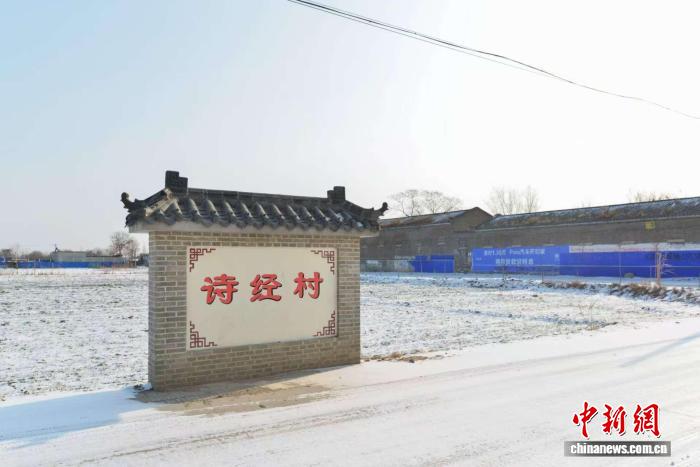
Core Viewpoint - The article explores the cultural significance of the "Shijing" (Book of Songs) in the village of Shijing, Hebei, highlighting its historical roots and contemporary relevance in poetry and local traditions [1]. Group 1: Historical Context - The name Hejian dates back to the Warring States period, known for its political, economic, cultural, and military importance, often referred to as "the first prefecture of southern Beijing" [1]. - "Shijing" is recognized as the first anthology of Chinese poetry, compiled by Confucius, containing 305 poems from approximately 500 years of history [1]. - The "Mao Shi" version of "Shijing," preserved by the descendants of Mao Heng and Mao Chang, is the only surviving version after the Qin Dynasty's book burning [1]. Group 2: Cultural Significance - The village of Shijing is the only village in China named after "Shijing," often referred to as "the first village of Shijing" [4]. - The "Shijing Poetry Society," founded in 2003, has over 380 members, with more than 60% being farmers, showcasing the local engagement with poetry [4]. - The poetry created by local farmers reflects rural life and traditions, with themes of agriculture and nature prevalent in their works [4]. Group 3: Contemporary Events - A farmer poetry event titled "Thousand-Year Poetic Heart Celebrating Abundant Year" was held in Shijing village, emphasizing the ongoing cultural practices related to "Shijing" [6]. - The ancient tradition of Hejian singing poetry, recognized as a national intangible cultural heritage since 2006, continues to thrive, with songs from "Shijing" still being sung in local villages [6].

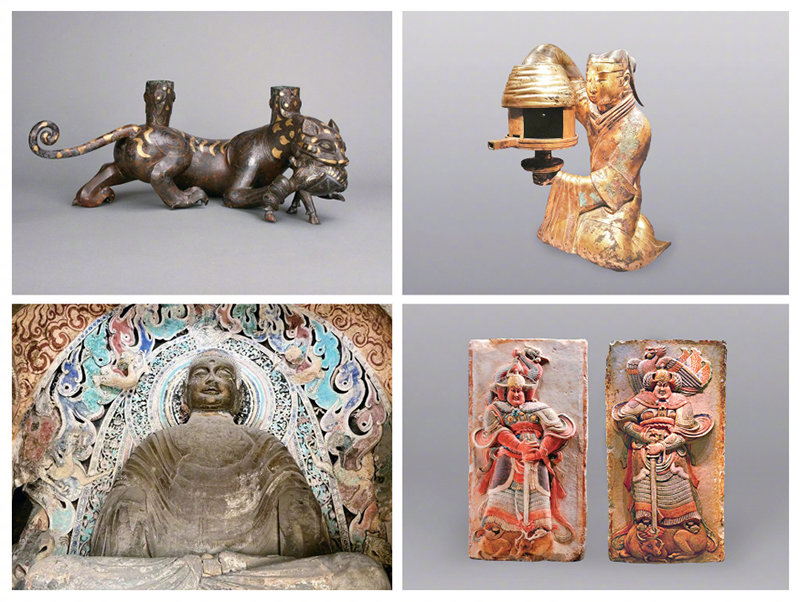
文化中国 | 推动燕赵文化绽放时代新韵
Xin Lang Cai Jing· 2026-01-04 04:33
Core Viewpoint - The article emphasizes the importance of preserving, inheriting, and utilizing traditional Chinese culture, particularly focusing on the rich cultural heritage of Hebei province, which is integral to the Chinese civilization and national spirit [1]. Group 1: Cultural Heritage - Hebei is one of the important birthplaces of Chinese civilization, with a history that spans over two million years, showcasing a deep cultural lineage [2]. - The region's geographical position has allowed it to become a cultural corridor, fostering the integration of diverse cultural elements throughout history [2][3]. - The Great Wall and the Grand Canal are significant cultural symbols that have facilitated interaction and cultural exchange between agricultural and nomadic civilizations [3]. Group 2: Artistic Expression - The artistic and architectural imprints of Hebei reflect a blend of various cultural influences, showcasing the region's unique artistic style [4]. - Non-material cultural heritage, such as paper-cutting and traditional crafts, embodies the fusion of agricultural and nomadic artistic elements [4]. Group 3: Revolutionary Spirit - Hebei is recognized as a revolutionary land, having played a crucial role in the history of the Communist Party of China and the development of revolutionary culture [13]. - The region's revolutionary spirit is characterized by resilience and a commitment to the collective struggle for national independence and social justice [14][19]. Group 4: Cultural Development Initiatives - Hebei aims to strengthen its cultural identity by implementing various initiatives, including the protection of cultural heritage sites and the promotion of traditional arts [20][21]. - The province plans to enhance cultural tourism by integrating cultural elements into tourism development, thereby fostering a deeper connection between culture and economic growth [23].