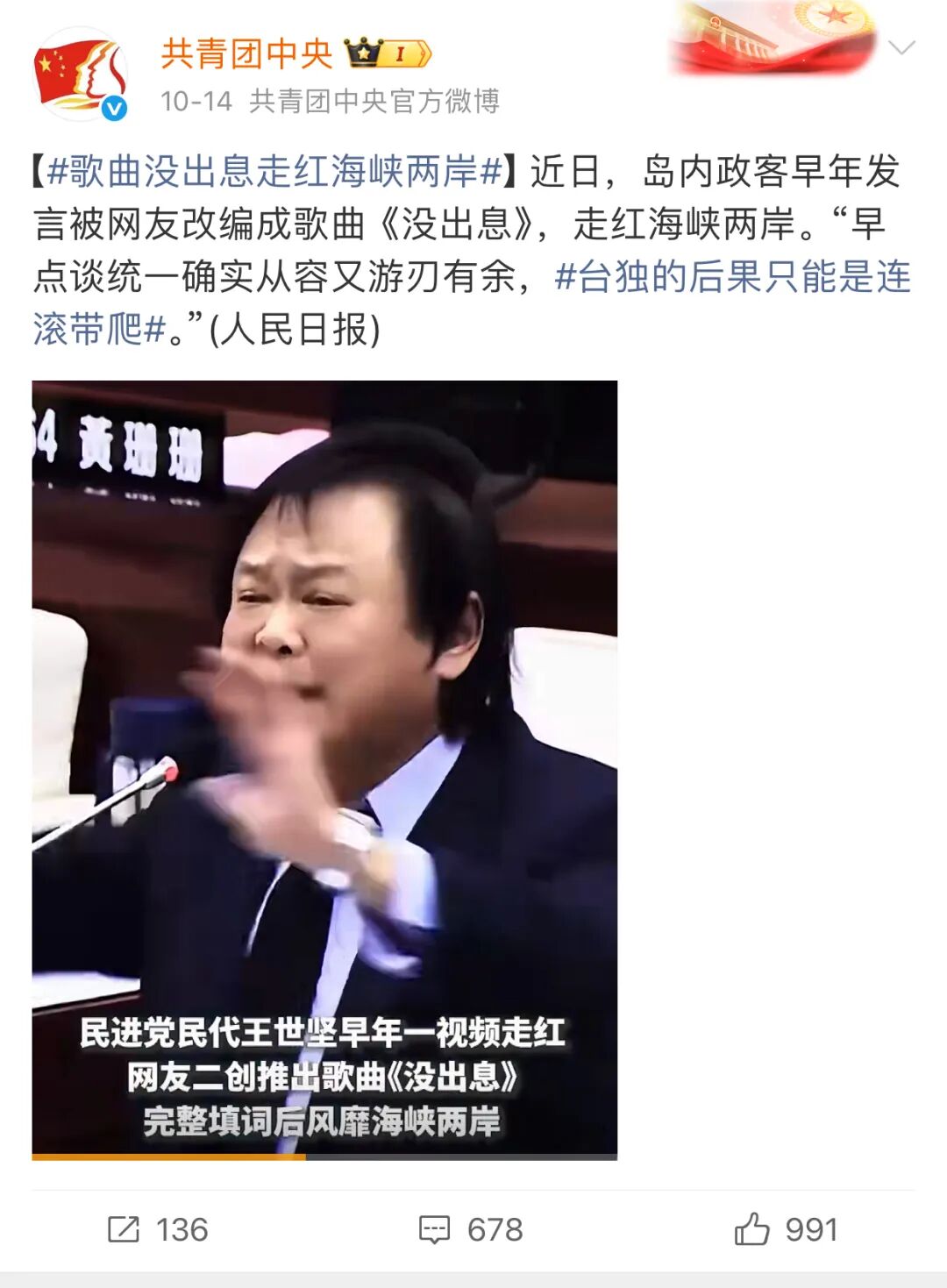
《没出息》

Search documents
“从从容容”做音乐的王搏:点团圆之灯
Zhong Guo Qing Nian Bao· 2025-11-23 22:29
Core Insights - The article highlights the rise of Wang Bo, a self-media musician, who gained popularity with his songs "No Future" and "Can't Find North," which resonated across the Taiwan Strait [2][9]. Background and Career Transition - Wang Bo, originally a technician at the State Grid, pursued his music dream after resigning from a stable job, which was met with skepticism from family and friends [3][4]. - He initially struggled to establish himself in the music industry, relying on writing songs for celebrities and TV shows, leading to financial instability [4][5]. Breakthrough and Viral Success - His breakthrough came with the viral hit "No Future," which garnered 20 million views shortly after its release, significantly increasing his online following [6][7]. - The song's success was amplified by its relatable themes, which resonated with audiences on both sides of the Taiwan Strait, creating a cultural dialogue [9][10]. Cultural Impact and Emotional Resonance - The song "No Future" has been adapted into over 20 versions in various languages and dialects, highlighting its widespread appeal and emotional connection among listeners [9]. - Wang Bo emphasizes the shared cultural roots between people across the Taiwan Strait, suggesting that the song serves as a bridge for emotional expression and connection [9][10]. Creative Process and Future Aspirations - Wang Bo's creative process involves drawing inspiration from personal experiences and cultural elements, aiming to maintain a balance between straightforwardness and depth in his lyrics [10]. - He expresses a commitment to continue creating music that reflects the shared sentiments of the Chinese people, reinforcing the idea of unity and familial ties [10].


台网友调侃成立坚辰当道组合
Bei Jing Wan Bao· 2025-11-19 23:39
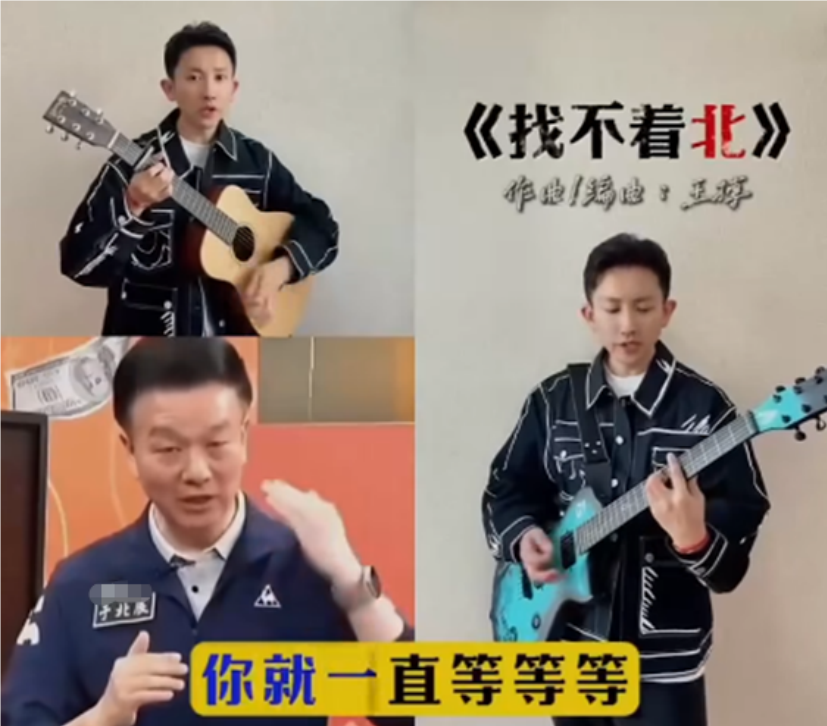
Group 1 - The core viewpoint of the article highlights the popularity of the song "找不着北" (Can't Find North) created by mainland musician Wang Bo, which satirizes comments made by Taiwanese retired general Yu Beichen, leading to widespread resonance across both sides of the Taiwan Strait [1] - The song "找不着北" gained traction after Yu Beichen's controversial statement that the People's Liberation Army would "find it hard to navigate" upon reaching Taiwan, which has been humorously referenced in the lyrics of the song [1] - The article notes that the song's humorous take on serious political commentary has sparked a wave of online engagement, with many Taiwanese netizens expressing their enjoyment and creativity in response to the song [1] Group 2 - The article mentions that the song "没出息" (No Future) also gained popularity after Wang Bo adapted comments from Taiwanese legislator Wang Shijian, showcasing the trend of using music to comment on political issues [1] - The emergence of the song "找不着北" coincides with the launch of Gaode Map in Taiwan, which provides detailed navigation features, further amplifying the humor surrounding Yu Beichen's statements [1] - The playful interaction among netizens, including suggestions to form a musical group named "坚辰当道" (Jianchen on the Road), reflects the cultural exchange and light-heartedness in the face of political tensions [1]
《没出息》《找不着北》原创作者王搏:两岸有同样的文化,会让我们产生共鸣
Huan Qiu Wang· 2025-11-19 22:48
Core Viewpoint - The recent viral songs "没出息" and "找不着北" by mainland musician Wang Bo have sparked widespread discussion and resonance across the Taiwan Strait, highlighting cultural connections despite political differences [1][6][7] Group 1: Song Impact and Reception - Wang Bo's song "找不着北" creatively combines the controversial statements of retired Taiwanese general Yu Beichen, leading to significant online popularity and humorous engagement from netizens [1][3] - The song has received positive feedback from many Taiwanese netizens, with comments praising its creativity and humor [3] - The phenomenon of these songs reflects a collective psychological state and emotional structure among people on both sides, transcending political divides [7] Group 2: Political Context and Reactions - The songs have prompted reactions from Taiwanese politicians, particularly from the green camp, who express concern over the cultural resonance and its implications for cross-strait relations [6][7] - Criticism has been directed at certain Taiwanese commentators for spreading negative narratives about mainland China, which some argue harms cross-strait relations [5][6] - The Taiwanese government has attempted to restrict the influence of mainland cultural products, indicating a defensive stance against perceived cultural infiltration [6][7]
从《没出息》到《五子棋》,这届爆火神曲,都得会玩梗
3 6 Ke· 2025-10-28 10:22
Core Viewpoint - The viral success of the song "没出息" reflects a cultural shift towards humor and lightheartedness in political discourse, resonating with the contemporary audience's desire for entertainment over seriousness [4][6][17]. Group 1: Cultural Impact - The transformation of serious political content into entertaining snippets has made it more accessible and relatable to the general public, allowing even those who typically avoid political discussions to engage with the material [4][6]. - The humorous tone of the song, particularly the line "统一那天谁哭哭啼啼才是真没出息," effectively wraps national sentiments in a light-hearted manner, reducing the emotional distance often associated with political topics [4][6]. Group 2: Audience Engagement - The song's popularity is attributed to its ability to resonate with shared frustrations in daily life, allowing listeners to express their feelings through humor, thus creating a communal experience [6][17]. - The collaborative nature of content creation, where individuals from various backgrounds contribute to the meme culture surrounding the song, has fostered a sense of community and active participation among audiences [6][17]. Group 3: Entertainment Trends - The emergence of "技能五子棋" as a follow-up viral sensation showcases a trend where traditional concepts are reimagined through absurdity and humor, appealing to a wide audience regardless of their prior knowledge [11][17]. - Both "没出息" and "技能五子棋" exemplify a shift towards "effortless joy," where the focus is on providing immediate emotional gratification rather than deep intellectual engagement, catering to the fast-paced lifestyle of modern audiences [17][18].