网络热梗

Search documents
台网友调侃成立坚辰当道组合
Bei Jing Wan Bao· 2025-11-19 23:39
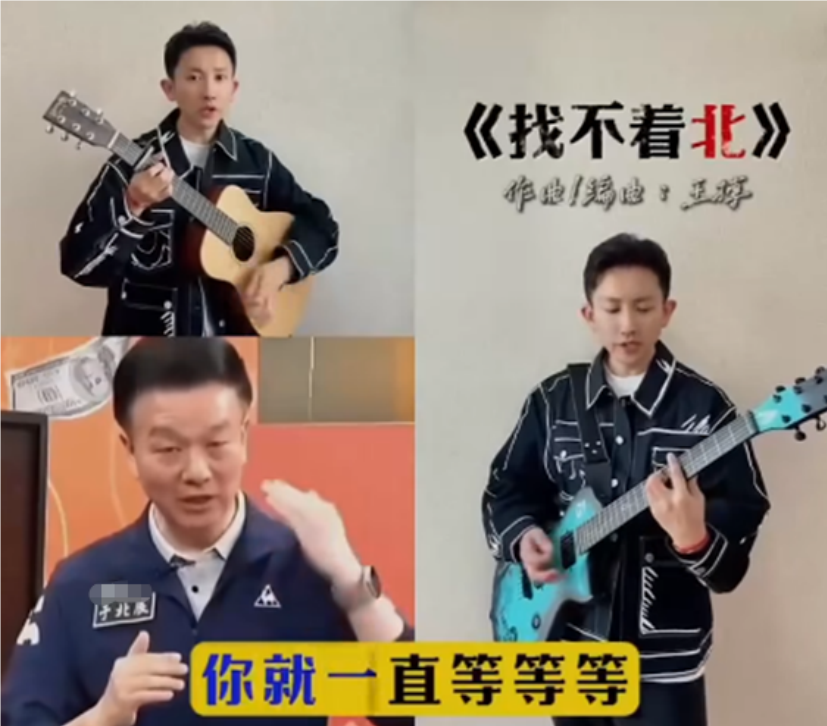
Group 1 - The core viewpoint of the article highlights the popularity of the song "找不着北" (Can't Find North) created by mainland musician Wang Bo, which satirizes comments made by Taiwanese retired general Yu Beichen, leading to widespread resonance across both sides of the Taiwan Strait [1] - The song "找不着北" gained traction after Yu Beichen's controversial statement that the People's Liberation Army would "find it hard to navigate" upon reaching Taiwan, which has been humorously referenced in the lyrics of the song [1] - The article notes that the song's humorous take on serious political commentary has sparked a wave of online engagement, with many Taiwanese netizens expressing their enjoyment and creativity in response to the song [1] Group 2 - The article mentions that the song "没出息" (No Future) also gained popularity after Wang Bo adapted comments from Taiwanese legislator Wang Shijian, showcasing the trend of using music to comment on political issues [1] - The emergence of the song "找不着北" coincides with the launch of Gaode Map in Taiwan, which provides detailed navigation features, further amplifying the humor surrounding Yu Beichen's statements [1] - The playful interaction among netizens, including suggestions to form a musical group named "坚辰当道" (Jianchen on the Road), reflects the cultural exchange and light-heartedness in the face of political tensions [1]
台媒关注:《没出息》创作人又出新歌,《找不着北》再度掀起话题
Huan Qiu Wang· 2025-11-19 08:06
Core Viewpoint - The article discusses the viral success of the song "找不着北" (Can't Find North), created by Wang Bo, which satirizes comments made by retired general Yu Beichen regarding the military threats from the People's Liberation Army (PLA) against Taiwan. The song has gained popularity on social media platforms, highlighting the humorous and critical public response to Yu's exaggerated statements about military defense. Group 1 - The song "找不着北" was inspired by Yu Beichen's past comments about the PLA, which included absurd analogies and exaggerated claims about military strategies [3][4] - Wang Bo's new song features lyrics that mock Yu's statements, suggesting humorous scenarios of evasion and confusion in the face of a military threat [3][4] - The song quickly went viral on social media, with users sharing it and making jokes about Yu Beichen's reputation as a "legendary figure" in the military [4][6] Group 2 - The public's reaction to the song includes a mix of humor and criticism, with some netizens suggesting that Yu Beichen and Wang Bo should form a band called "坚辰当道" (Jian Chen Leading the Way) [3][4] - The song's success reflects a broader trend of using satire and humor to address serious political and military issues in Taiwan, resonating with the audience's sentiments [4][6]

比小学生说烂梗更可怕的,是大人也说
36氪· 2025-11-11 00:10
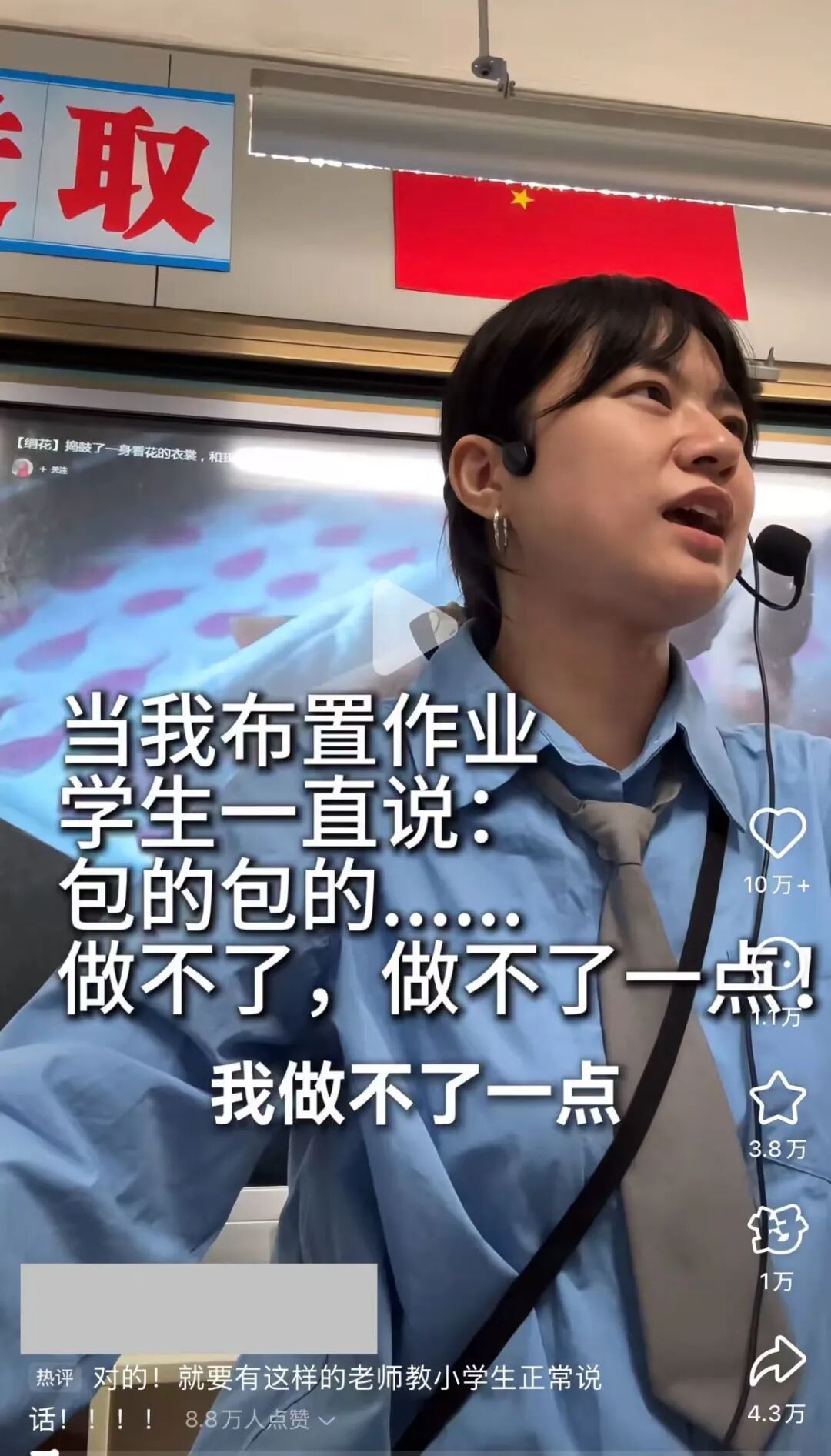
Core Viewpoint - The article discusses the impact of internet slang on language and thought processes, highlighting concerns about language stagnation and the resulting decline in critical thinking abilities among children and adults alike [4][9][30]. Group 1: Internet Slang and Its Effects - Internet slang has become a form of "dialect" in the digital age, serving as a social currency for both children and adults, facilitating communication and group identity [8][11][12]. - The use of internet slang among children is driven by social needs and the characteristics of digital communication, where understanding slang can lead to social acceptance [12][13]. - For adults, internet slang acts as a "social lubricant," making interactions more casual and relatable, but it also reflects a broader trend of language simplification [15][37]. Group 2: Language Education Concerns - The article raises alarms about the rigidity and formulaic nature of current language education, which may lead to a decline in students' overall language skills and cultural literacy [20][21][27]. - The focus on standardized answers in language education diminishes the appreciation for the beauty and complexity of language, reducing it to mere technical knowledge [24][25][27]. - Prominent educators emphasize the importance of nurturing genuine expression and critical thinking in language education, warning against the dangers of rote learning and formulaic writing [28][30]. Group 3: Broader Language and Thought Crisis - The article highlights a pervasive crisis of language poverty, which is indicative of a deeper crisis in critical thinking and cultural engagement [30][38]. - A survey indicated that 76.5% of respondents feel their language skills are deteriorating, with many unable to use poetic language or complex rhetorical devices [38]. - The phenomenon of "language poverty" is linked to a broader cultural issue where entertainment and superficial engagement replace deep understanding and empathy in discourse [41][42].

比小学生说烂梗更可怕的,是大人也说
3 6 Ke· 2025-11-06 02:49
Core Viewpoint - The article discusses the impact of internet slang on language and thought processes, highlighting concerns about language rigidity and the resulting decline in cognitive abilities among children and adults alike [5][17][26]. Group 1: Internet Slang as a Social Tool - Internet slang serves as a "social entry ticket" for children and an "emotional pressure valve" for adults, facilitating social interactions within specific circles [6][8]. - The use of slang fosters a sense of belonging and identity among peers, with children adopting these terms to avoid social marginalization [7][10]. - Adults also utilize slang as a form of social currency, creating a relaxed atmosphere in conversations and reinforcing group identity [8][9]. Group 2: Language Education Concerns - The article raises alarms about the mechanization and formulaic nature of language education, which may lead to a decline in critical thinking and emotional engagement [12][14][16]. - Standardized teaching methods reduce the richness of language to mere technical knowledge, stripping away the aesthetic and expressive qualities of literature [14][16]. - The focus on exam-oriented education diminishes the joy of learning and the development of essential humanistic qualities, such as creativity and critical thinking [16][17]. Group 3: Language Poverty and Its Implications - The prevalence of superficial language in media and everyday communication reflects a broader crisis of thought and expression, leading to a culture of "language poverty" [20][23]. - Surveys indicate that a significant portion of the population feels their language skills are deteriorating, with many unable to articulate complex ideas or use literary devices [23][25]. - The article emphasizes that the decline in language quality is indicative of a deeper intellectual crisis, urging individuals to engage more thoughtfully with language and ideas [26][27].
热梗流行,我们该如何用好语言?
Ren Min Ri Bao· 2025-10-29 23:41
Core Viewpoint - The article discusses the impact of internet memes on language use, emphasizing the need for a balanced approach to communication that incorporates both modern expressions and traditional language richness [1][2] Group 1: Importance of Internet Memes - Internet memes serve as a form of identity and social "shortcut," playing a significant role in daily communication due to their rapid spread and strong community recognition [1] - While memes facilitate easy and enjoyable communication, their overuse in inappropriate contexts can erode the richness of language [1] Group 2: Language and Expression - The article highlights the depth of the Chinese language, referencing classic literature to illustrate the beauty and complexity of traditional expressions [1] - It advocates for a balanced expression strategy, where memes are used in casual settings, while more profound language is employed in serious discussions [2] Group 3: Expression Wisdom - The pursuit of expression wisdom involves finding a balance between convenience and depth, as well as between contemporary and classical language [2] - The ability to appreciate both internet memes and traditional poetry is presented as a valuable skill in modern communication [2]
热梗流行,我们该如何用好语言?(四海听音)
Ren Min Ri Bao· 2025-10-29 22:41
Core Viewpoint - The article discusses the impact of internet memes on language use, emphasizing the need for a balanced approach to communication that incorporates both modern expressions and traditional language richness [1][2]. Group 1: Importance of Internet Memes - Internet memes serve as a significant part of modern communication, acting as identity markers and social shortcuts for "internet natives" [1]. - They fulfill the need for information exchange and make communication more engaging and enjoyable [1]. Group 2: Risks of Overuse - The excessive creation and use of memes in various contexts can erode the richness of language [1]. - The reliance on simplistic expressions like "yyds" and "绝绝子" may lead to a decline in expressive capabilities and the ability to perceive nuances in meaning [1]. Group 3: Value of Traditional Language - The article highlights the depth and beauty of the Chinese language, referencing classic texts like "The Book of Songs" and "Records of the Grand Historian" to illustrate the importance of precise and creative expression [1]. - It suggests that language is a boundary of thought, and a rich vocabulary allows for a deeper exploration of the human experience [1]. Group 4: Finding Balance - A balanced approach to language involves using memes in casual settings while reserving more profound expressions for moments requiring depth and emotional resonance [2]. - The ability to appreciate both the humor of memes and the depth of poetry is presented as a valuable skill in contemporary communication [2].
全球中文第一社区,怎么没人玩了?
创业邦· 2025-07-21 10:26
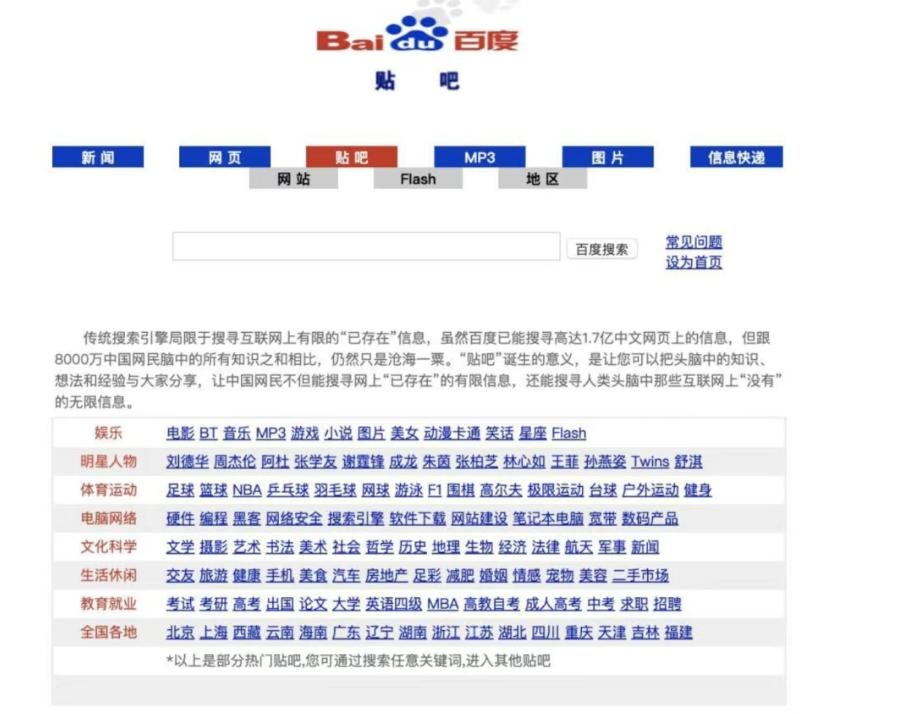
Core Viewpoint - The article discusses the rise and fall of Baidu Tieba, once a dominant online community in China, highlighting its initial success, cultural impact, and subsequent decline due to commercialization and competition from other platforms [4][6][60]. Group 1: Rise of Baidu Tieba - Baidu Tieba was launched in 2003, combining search engine capabilities with online forums, allowing users to connect over shared interests [8]. - At its peak, Baidu Tieba had over 1 billion registered users and 300 million monthly active users, making it a significant player in the Chinese internet landscape [4][34]. - The platform became a cultural phenomenon, generating over 90% of internet memes and serving as a hub for fan culture, particularly during events like the "Super Girl" singing competition in 2005 [9][10][13]. Group 2: Cultural Impact - Tieba was instrumental in the development of fan culture in China, with various fan clubs emerging for celebrities and shows, leading to massive engagement [10][13]. - The platform also became a source of viral content, exemplified by the "Jia Junpeng" meme, which garnered immense attention and participation [17][20]. - Tieba's decentralized nature allowed for a diverse range of discussions, from entertainment to serious topics, making it a unique space for user-generated content [32][34]. Group 3: Decline of Baidu Tieba - The rise of mobile internet and platforms like Weibo and WeChat began to divert user attention away from Tieba after 2010 [46]. - Baidu's aggressive commercialization strategies, including excessive advertising and the controversial "selling" of forums, led to a decline in user trust and engagement [47][49]. - By 2021, Tieba's monthly active users had plummeted to approximately 37 million, a decline of nearly 90% from its peak [55][60]. Group 4: Current Status and Legacy - Despite its decline, Baidu Tieba still retains a niche user base, with some communities continuing to thrive in a more subdued manner [63][65]. - The platform's history reflects broader trends in the Chinese internet, showcasing the challenges of maintaining user engagement in a rapidly evolving digital landscape [60][66]. - The memories and cultural significance of Tieba remain, as it continues to evoke nostalgia among users who participated in its vibrant community [62][66].

全球中文第一社区,怎么没人玩了?
3 6 Ke· 2025-07-21 03:35
Core Insights - Baidu Tieba was once a dominant force in the Chinese internet landscape, boasting over 300 million monthly active users and more than 1 billion registered users, significantly surpassing platforms like Weibo [1][3][29] - The platform's unique model combined search keywords with forum discussions, creating a space where users could connect over shared interests, leading to its rapid rise in popularity [4][27] - However, the platform has seen a dramatic decline in user engagement, with daily active users dropping to around 8-9 million, a staggering 97% decrease from its peak [41][44] Group 1: Rise of Baidu Tieba - Baidu Tieba was launched in 2003, allowing users to create forums based on search keywords, which opened new avenues for online communication [4] - The platform became a hub for fan culture, particularly during events like "Super Girl," where fan engagement led to an explosion of posts, with an average of 4 posts created every second [6][7] - By 2011, Baidu Tieba had over 500 million users, accounting for more than 80% of the total Chinese internet user base at that time [29] Group 2: Cultural Impact - Baidu Tieba was a significant source of internet memes and cultural phenomena, with many popular phrases originating from the platform [18] - The platform also served as a space for various communities, including literature and gaming, with notable works like "Tomb Raider Notes" being serialized there [20][22] - During crises, such as the Wenchuan earthquake, Baidu Tieba played a crucial role in disseminating information and coordinating rescue efforts [24] Group 3: Decline and Challenges - The rise of mobile internet and platforms like Weibo and WeChat began to siphon off users from Baidu Tieba, leading to a decline in engagement [36][39] - Aggressive commercialization strategies, including excessive advertising and the controversial "selling" of forums, eroded user trust and led to a mass exodus of quality content creators [36][37] - By 2021, the platform's monthly active users had plummeted to approximately 37 million, reflecting a loss of nearly 90% of its user base over five years [39] Group 4: Current Status and Future - Despite efforts to revitalize the platform through reduced advertising and new interactive features, user return rates remain low, with daily active users significantly reduced [41][44] - Baidu Tieba's history reflects broader trends in the Chinese internet, showcasing both the potential for community-driven platforms and the pitfalls of commercialization [44][46] - Nonetheless, a niche community still exists, with some users actively engaging in unique content creation, indicating that the platform retains a degree of cultural relevance [46][47]
热搜爆了!杨紫回应,各地文旅下场“整活”
21世纪经济报道· 2025-03-05 11:24
Core Viewpoint - The sudden popularity of actress Yang Zi's dance videos has led to a significant increase in her social media following and has sparked a creative response from various local cultural and tourism departments across the country [1][2][7]. Group 1: Yang Zi's Dance Videos - Yang Zi's dance videos, inspired by Korean star Lee Yi-seung, gained immense popularity, resulting in a 300,000 increase in followers within a day [1][2]. - The dance features simple, repetitive movements that create a humorous effect, described as "awkward yet catchy" [4]. - Yang Zi humorously acknowledged her newfound fame, stating that while her acting may be criticized, her dancing should not be [3]. Group 2: Cultural and Tourism Departments' Response - Nearly 100 local cultural and tourism departments have created promotional videos incorporating Yang Zi's dance, showcasing a rare level of engagement [7]. - The creative use of Yang Zi's dance in promotional content has led to widespread online interaction, with users commenting on their virtual travels alongside her [13]. - The phenomenon reflects a broader trend of leveraging viral content for tourism promotion, as seen with the earlier popularity of the "Lee Yi-seung March" meme [14].