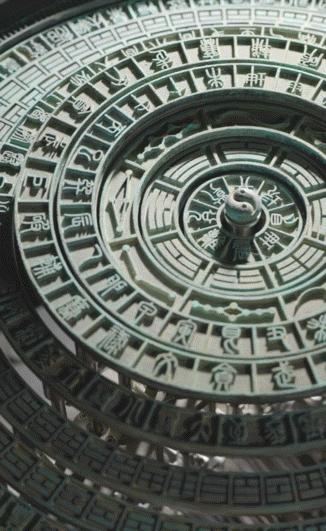
《璇玑仪》

Search documents
强化艺术智性与人工智能的协同
Ren Min Ri Bao· 2025-11-15 21:51
Core Insights - The article discusses the integration of art and science, emphasizing their mutual influence in advancing human society, particularly through the "China (Hangzhou) International Art and Technology Biennale" themed "Heaven, Earth, Human, and Machine" [2][5] - The event showcases over 160 artists and scientists from more than 20 countries, reflecting on cultural ecology's reconstruction and future prospects in the context of technological evolution [2][3] Group 1: Exhibition Themes - The biennale features four main sections: "Connection: Embodied Interaction," "Symbiosis: Digital Education," "Conjecture: Ecological Reconstruction," and "Declaration: Philosophical Inquiry," creating a multidimensional dialogue on the theme [2] - Notable works include interactive installations and wearable devices that allow audiences to experience the "human-machine connection," highlighting the shift from static art appreciation to dynamic co-creation [3] Group 2: Focus on Global Issues - The exhibition addresses global challenges such as climate crisis and technology misuse, with a focus on biotechnological speculation, sustainable design, and ecological philosophy [3] - Works like "Post-Insect Atlas: Beetle Prophecy" by domestic artist Xing Shangmei reflect on ecological crises through gene editing aesthetics, indicating that advanced technologies can both solve and exacerbate ecological issues [3] Group 3: Ethical and Philosophical Reflections - Several artworks challenge conventional narratives and provoke critical thinking about technology ethics and human existence, responding to the fundamental missions of art and science [4] - The biennale aims to initiate deep dialogues between humanities and technology, showcasing works that transition technology's role from merely recording cultural heritage to activating cultural life [4] Group 4: Future Prospects - The exhibition suggests a trend where art and science collaborate to explore the universe and expand unknown boundaries, with works like "Computational Satellite Model" and "Spacetime Elasticity" exemplifying this partnership [4] - The overarching mission of art and science remains the discovery of the world and humanity, inviting participants to engage in a dialogue that spans five millennia of civilization and future possibilities [5]

2025毕业季最大黑马:32岁硕士毕业,作品一周爆火
3 6 Ke· 2025-07-06 23:26
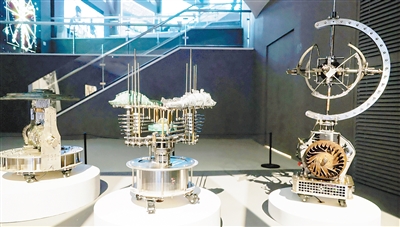
Core Insights - The article highlights the impressive graduation works of Nie Shichang, a graduate from the China Academy of Art, which have gained significant attention online due to their unique blend of mechanical dynamics and traditional Chinese culture [1][3][5]. Group 1: Artwork and Themes - Nie Shichang's five graduation projects explore various themes, including the relationship between small changes and grand order in the universe, the dialectical relationship between nature and technology, and the interaction between life and technology [7][8][10][11][13]. - The works include "Dripping Instrument," inspired by traditional Chinese compass elements, "Xuanji Instrument," based on ancient astronomical instruments, and "Cyclic Instrument," which reflects the philosophical concepts from "Xunzi" [7][8][10]. - The projects were completed over a year, showcasing Nie's dedication and meticulous attention to detail in the creation process, including precise measurements and intricate mechanical designs [23][46]. Group 2: Personal Journey and Background - Nie Shichang's journey to becoming an artist involved overcoming numerous challenges, including economic hardships and health issues, which shaped his perspective on art and life [3][40][50]. - Growing up in a rural area, he faced financial constraints but was supported by his parents, who encouraged his education despite their limited means [27][28][36]. - His experiences in various art schools and the struggle to gain admission to prestigious institutions reflect his determination and resilience in pursuing his artistic aspirations [30][33][36]. Group 3: Artistic Philosophy and Future Aspirations - Nie emphasizes the importance of maintaining creative vitality and exploring traditional culture through his art, aiming to create works that resonate with a broader audience [41][48][53]. - He acknowledges the influence of both historical and contemporary artists on his work, indicating a desire to blend traditional elements with modern techniques [46][48]. - Despite achieving recognition, he remains focused on the creative process rather than financial success, indicating a commitment to his artistic journey [43][52].