
生态重构

Search documents
胶原蛋白价格战开打,同功效产品价差三四倍
21世纪经济报道· 2026-02-09 10:34
Core Viewpoint - The medical beauty injection market is experiencing unprecedented differentiation, with high-end collagen products priced around ten thousand yuan and domestic hyaluronic acid rapidly capturing the mid-to-low-end market with over 70% market share. Domestic collagen manufacturers are caught in a strategic dilemma between engaging in price wars or restructuring their value systems [1][2]. Market Growth and Dynamics - The retail market size for medical beauty injections in China has grown from 25.7 billion yuan in 2018 to 67 billion yuan in 2023, with a compound annual growth rate (CAGR) of 21.1%, and is expected to exceed 147 billion yuan by 2027, driven by technological iterations and upgraded consumer demand for products like hyaluronic acid and collagen [1][2]. Competitive Landscape - The collagen market is characterized by a "strong at both ends, weak in the middle" structure, where imported brands dominate the high-end market with prices between 8,000 to 12,000 yuan, while numerous new entrants flood the mid-to-low-end market with prices dropping below 1,000 yuan [6][11]. Pricing and Quality Issues - The price war has led to chaotic pricing in the market, with price differences for similar products reaching three to four times. Many institutions use low-priced products for customer acquisition, resulting in poor satisfaction and damage to brand reputation [2][7]. Technological Competition - High-quality animal collagen production costs range from 800 to 1,200 yuan, while recombinant collagen can be produced for under 200 yuan, explaining the presence of low-priced products in the market. The market is currently undergoing a reassessment of collagen products [8][10]. R&D and Investment Trends - Companies like Faiman Biotech are investing significantly in R&D, with annual R&D expenditures constituting 15% to 18% of revenue, surpassing the industry average of 8%. This investment is expected to translate into technological advantages [12][16]. Regulatory and Market Changes - The regulatory environment is tightening, with increased inspections leading to production halts for non-compliant companies. The capital market is shifting focus towards companies with core technological patents and comprehensive quality control systems [15][16]. Future Outlook - The industry is expected to shift from price sensitivity to value assessment, with a need for a comprehensive evaluation system that includes raw material sourcing, production processes, and long-term safety data. The market is anticipated to stabilize as consumer awareness of safety and quality increases [15][17].


游戏为抢用户有多拼?春节让玩家上大街“寻宝”…
Bei Jing Shang Bao· 2026-02-03 14:14
Core Insights - The 2026 Spring Festival gaming market is witnessing intense competition with 23 new games set to launch from February 2 to 16, marking a shift from quantity to quality in the gaming industry [3][4] - Major gaming companies are enhancing holiday-specific gameplay and benefits to extend user engagement [9] Game Launches - A total of 23 new games will be released during the Spring Festival, including titles from various developers such as "Little Nightmares" by Heartfire Games and "Survival 33 Days" by 37 Interactive Entertainment [4][6] - The new games span multiple genres, including RPG, card strategy, open-world, and simulation [6] Developer Focus - The upcoming new games are primarily from mid-sized developers, while major companies like Tencent and NetEase have more titles in testing phases [8] Benefits and Promotions - Leading companies are upgrading holiday-specific benefits to enhance user retention, with Tencent's "League of Legends Mobile" and NetEase's "Nirvana in Fire" offering various in-game rewards [10][12] - The focus is on providing immersive experiences and high-value rewards to meet diverse user demands [12] Cross-Industry Collaborations - Cross-industry collaborations are becoming common, with Tencent's "Delta Action" partnering with Haidilao for special promotions [13] - These collaborations aim to create a closed loop of content, experience, and consumption, enhancing user engagement and driving sales [15][16]





新游抢滩、福利加码 游戏大厂激战春节档
Bei Jing Shang Bao· 2026-02-03 14:11
Core Viewpoint - The competition for game traffic during the 2026 Spring Festival is intensifying, with 23 new games set to launch between February 2 and 16, marking a shift from "stock game competition" to "ecological reconstruction" in the gaming industry [1][4]. Group 1: New Game Launches - A total of 23 new games will be released, including titles from various genres such as RPG, card strategy, open-world, and simulation [4]. - Notable new games include "Little Nightmares" by Heartfire Games, "Pam's Battle Diary" by Lilith Games, and "Survival 33 Days" by 37 Interactive Entertainment [4]. - Most of the new games are from small to medium-sized developers, while major companies like Tencent and NetEase have games in testing phases [4]. Group 2: Enhanced User Benefits - Major gaming companies are upgrading holiday-specific gameplay and benefits to extend user engagement [5]. - Tencent's "League of Legends Mobile" has launched a New Year celebration with significant discounts and exclusive skins, while "Peace Elite" has introduced new version experiences and themed rewards [5]. - NetEase's "Nirvana in Fire" has been offering free monthly cards and various in-game rewards since late January [5]. Group 3: Shift in User Demand - User demand is shifting towards "immersive experiences," prompting companies to provide richer content and benefits to meet diverse needs [6]. - The market competition is evolving from a focus on single product dimensions to a comprehensive ecological competition [6]. Group 4: Cross-Industry Collaborations - Cross-industry collaborations are becoming a norm, with games increasingly integrating into offline life [7]. - Tencent's "Delta Action" is partnering with Haidilao to launch themed packages and promotions during the Spring Festival [7]. - NetEase's "Egg Party" has collaborated with RT-Mart to create interactive treasure hunt activities and custom cakes, appealing to younger consumers [8]. Group 5: Consumer Engagement Strategies - The integration of game IP into physical consumption is creating a closed loop of "content + scene + consumption" [8]. - The aim of cross-industry collaborations is to attract potential user groups and stimulate consumption through both online and offline channels [8].

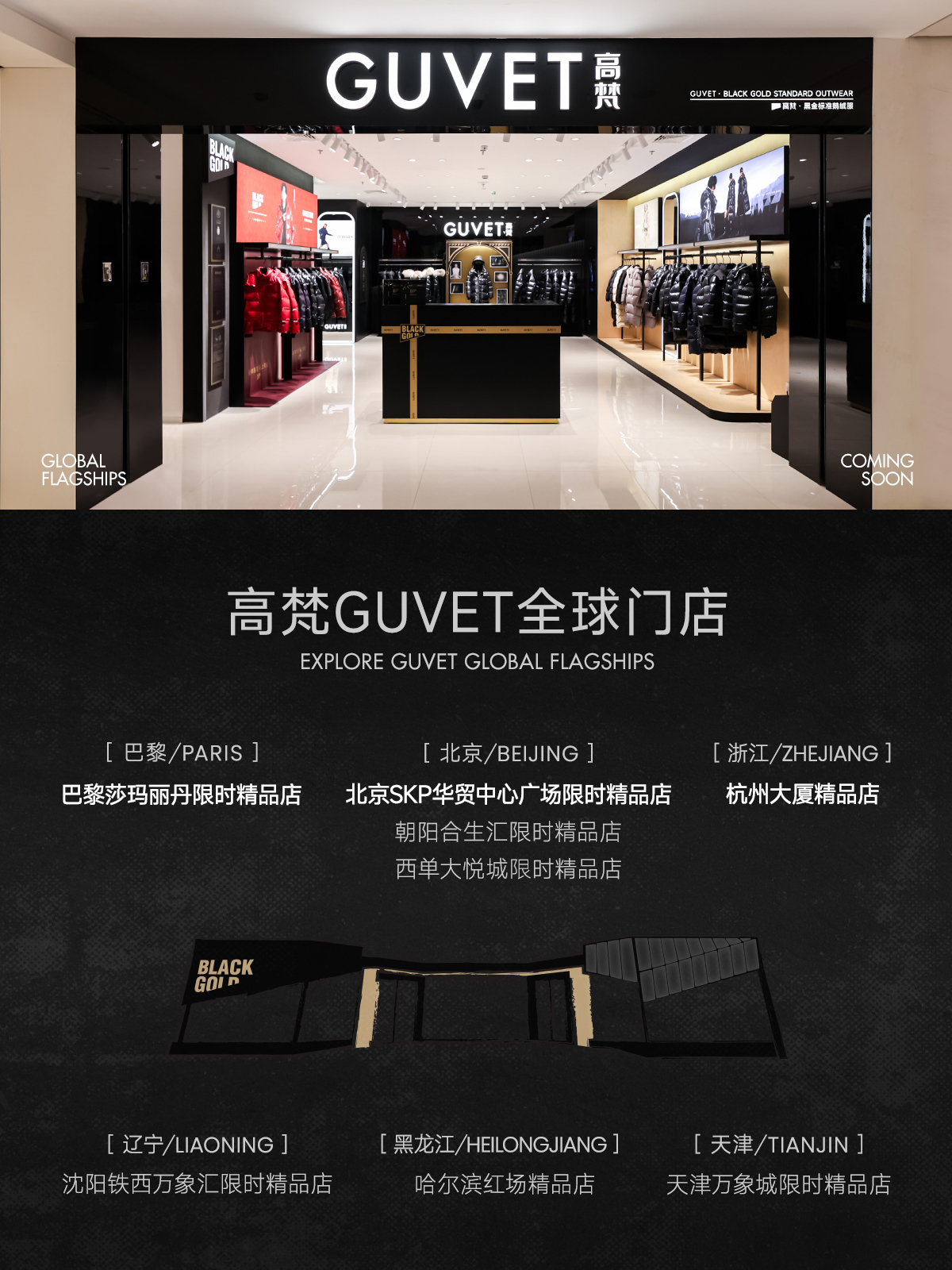
高梵入驻杭州大厦,为什么说高端矩阵进入“生态重构”时刻?
Jing Ji Guan Cha Wang· 2026-01-29 09:27
Core Insights - The opening of Gao Fan's first boutique in Hangzhou Tower marks a significant step in its high-end channel strategy, positioning it among top luxury brands [1] - The store's location is strategically chosen to enhance brand perception and connect with high-end consumers, leveraging the presence of other luxury brands [6][10] - Gao Fan's approach emphasizes long-term brand building over short-term expansion, focusing on product quality and cultural integration [2][11] Group 1: Strategic Positioning - Gao Fan's entry into Hangzhou Tower is part of a broader strategy to establish a "brand momentum lighthouse" in key urban centers [9] - The brand's channel strategy is characterized by a selective approach, targeting high-end commercial landmarks to reinforce its luxury positioning [2][10] - The collaboration with Hangzhou Tower aims to create a "golden value corridor" for Chinese high-end brands, enhancing mutual brand recognition [8][17] Group 2: Product and Brand Development - Gao Fan's product strategy focuses on extreme segmentation and standard definition, utilizing top-quality materials to differentiate itself in the high-end down jacket market [11] - The brand integrates traditional Chinese craftsmanship into its designs, appealing to the cultural identity of the Z generation [12][13] - Gao Fan's commitment to innovation is evident through its 185 patents and partnerships with research institutions, enhancing its technical capabilities [11] Group 3: Market Dynamics - The rise of Gao Fan and similar brands signifies a shift in the Chinese high-end retail landscape, challenging the dominance of international luxury brands [16][18] - The formation of the "golden value corridor" reflects a market logic where local brands leverage differentiated value propositions to reshape the retail ecosystem [17] - Government policies supporting local brand development and cultural heritage are facilitating this transformation in the high-end market [17][18]
索尼“断臂求生”简史
Ge Long Hui· 2026-01-24 05:07
Core Insights - Sony's decision to transfer control of its television business to TCL marks the end of an era for the Japanese electronics industry, which once dominated the global market but has now retreated after decades of decline [1][2] - The partnership with TCL, where TCL holds a 51% stake, signifies Sony's shift towards a "light asset" model, retaining only brand and core technology rights while offloading manufacturing and supply chain responsibilities [12][13] - This move reflects a broader trend in the global television market, transitioning from Japanese dominance to a competitive landscape led by Chinese and Korean manufacturers [1][16] Company Transformation - Sony's transformation has been a gradual process over 20 years, involving the sale of over 20 business units and generating more than $10 billion in cash to reshape its business landscape [2][15] - The company's strategic evolution has included a shift from hardware dependency to a focus on high-value ecosystems, emphasizing the importance of innovation and adaptability in the face of technological change [3][15] - Key milestones in this transformation include the sale of its PC business and the restructuring of its music division, which has now become a leading player in the global music industry [7][22] Strategic Decisions - Sony's initial divestitures were reactive, aimed at stemming losses without a cohesive long-term strategy, leading to significant financial challenges [4][5] - The appointment of CEO Kazuo Hirai marked a turning point, as he implemented the "One Sony" strategy, focusing on core businesses and enhancing collaboration across divisions [6][10] - The sale of the VAIO computer business and the exit from the battery sector were pivotal decisions that allowed Sony to concentrate resources on more profitable areas like gaming and imaging [7][9] Financial Performance - By 2025, Sony's financial performance showed significant improvement, with operating profit reaching 801.72 billion yen and net profit at 609.65 billion yen, indicating a successful turnaround [31] - The financial services division, which was spun off, has become a stable cash generator, contributing over 120 billion yen in net profit, showcasing the effectiveness of strategic asset optimization [21][12] Industry Context - The decline of Sony's television business illustrates the broader challenges faced by Japanese electronics firms, which have struggled to maintain competitiveness against aggressive investment and innovation from South Korean and Chinese companies [16][20] - The shift in the television market dynamics, with TCL and Samsung leading, highlights the importance of upstream control over components like display panels, which significantly impact profitability [19][20] - Sony's focus on high-margin products, such as its CMOS sensors and premium audio devices, reflects a strategic pivot towards areas with higher profit potential and technological barriers [18][27] Future Outlook - Looking ahead, Sony aims to maximize the value of its intellectual properties and expand into emerging fields like AI and automotive sensors, with plans to invest 1.8 trillion yen in R&D from 2024 to 2026 [31][32] - The collaboration with TCL is expected to enhance Sony's brand value and technology licensing revenue, positioning the company for sustainable growth in a rapidly evolving market [12][13] - The ongoing transformation emphasizes the need for traditional companies to embrace change and focus on core competencies to thrive in a competitive landscape [34][26]
系统革命:大湾区科学论坛如何用生态思维重构全球创新棋局?
Feng Huang Wang Cai Jing· 2025-12-17 13:18
Core Insights - The 2025 Greater Bay Area Science Forum concluded with a focus on deep industrial collaboration, highlighting the need for innovation at both ends of the industrial chain [1][2][3] Group 1: Strategic Vision and Goals - The forum emphasized the transformation of institutional advantages into innovative momentum for the Guangdong-Hong Kong-Macau Greater Bay Area [2] - Key leaders called for a focus on foundational research and the establishment of a robust innovation ecosystem to drive future industrial competitiveness [2][3] Group 2: Collaborative Initiatives - Twelve universities from Hong Kong and Macau signed a joint initiative to address cross-border innovation challenges [3] - The establishment of a "results supermarket" by the Chinese Academy of Sciences aims to facilitate the commercialization of over 3,200 research outcomes [9] Group 3: Sector-Specific Discussions - The low-altitude economy forum shifted focus from technical feasibility to the safe and efficient large-scale operation of aerial vehicles [5] - The artificial intelligence forum highlighted the importance of data governance and practical applications over mere computational power [6] - The hydrogen energy forum showcased cross-border collaboration between Chinese and Korean companies, emphasizing supply chain integration [7] Group 4: Financial and Talent Ecosystem - The technology finance forum introduced mechanisms to direct financial resources towards early-stage hard technology projects [8] - The education forum stressed the need for aligning vocational training with industry demands, particularly in AI and advanced manufacturing [8] Group 5: Systemic Innovation and Ecosystem Resilience - The forum's discussions illustrated a systemic approach to innovation, integrating technology breakthroughs, standard-setting, and financial support [12][14] - The collaborative environment fostered by the forum is expected to reshape the industrial landscape in China and globally, emphasizing resilience and adaptability [14]
2026年汽车行业展望:稳内需主基调明确,出口贡献确定性增长亮点
Bank of China Securities· 2025-12-16 06:06
Investment Rating - The report maintains a positive outlook on the automotive industry, indicating a stable demand-driven growth trajectory for 2026, with expectations for government policies to further stimulate consumption [4][12]. Core Insights - The automotive market is expected to experience a "door-opening" effect in 2026, despite a slowdown in retail sales due to high base effects and the conclusion of local consumption subsidies [2][3]. - The report highlights a significant increase in passenger vehicle exports, with a year-on-year growth of 48.7% in November, indicating a strong potential for continued growth in 2026 [8][9]. - The introduction of advanced driver-assistance systems (ADAS) is anticipated to enhance consumer demand, with L2 features becoming more accessible in lower-priced vehicles [10]. - The automotive industry is entering a phase of systematic restructuring, focusing on quality and service over price competition, which is expected to drive high-quality development [11]. Summary by Sections Market Outlook - The automotive market in 2026 is projected to be driven by domestic demand, with government policies aimed at optimizing consumption incentives [4][5]. - The report anticipates that the "two new" subsidy policies will continue, shifting from broad-based incentives to more targeted support for high-value durable goods [4][5]. Export Growth - November saw a record high in passenger vehicle exports, with a total of 624,000 units, reflecting a robust growth trend that is expected to persist into 2026 [8][9]. - The report notes that the export of new energy vehicles has surged, accounting for 47% of total passenger vehicle exports, indicating a strong international market presence [8]. Technological Advancements - The report emphasizes the role of smart technology in driving new consumer demand, with advancements in ADAS expected to lower costs and improve accessibility for consumers [10]. - The integration of humanoid robots with intelligent driving systems is seen as a new growth point for automotive companies, expanding the market into various sectors [10]. Industry Restructuring - The automotive industry is undergoing a deep restructuring phase, with a focus on eliminating inefficient competition and promoting technological innovation [11]. - Regulatory measures are being implemented to ensure compliance with pricing standards, which is expected to enhance market stability and encourage high-quality development [11].
金山软件游戏业务遭遇滑铁卢Q3收入同比“腰斩” 《解限机》高开低走口碑暴跌小黑盒评分仅剩4.3
Xin Lang Zheng Quan· 2025-11-26 02:49
Core Insights - Kingsoft's Q3 2025 financial report shows a mixed performance, with office software revenue growing by 26% while gaming revenue plummeted by 47% to 898 million yuan, marking the largest decline since 2019 [1][2] - The flagship game "Limitless Machine" faced significant challenges, with peak online players dropping from 130,000 to around 1,000 within four months, and its approval rating falling below 60% [1][3] Financial Performance - Total revenue for Kingsoft in Q3 2025 was 2.419 billion yuan, a year-on-year decrease of 17%, while net profit fell by 48% to 213 million yuan [2] - The revenue structure shifted, with office software and services accounting for 63% of total revenue, while gaming revenue dropped to 37%, a stark contrast to the previous year [2] Gaming Business Challenges - The gaming segment's decline is attributed to several factors, including user attrition from the flagship IP "Jian Wang 3" due to content stagnation, and competition affecting the new title "Dust White Zone" [2] - The gaming business's profitability worsened, with sales and distribution expenses surging by 55% to 564 million yuan, primarily due to marketing investments in "Limitless Machine" that did not yield expected returns [2] "Limitless Machine" Issues - The failure of "Limitless Machine" was a direct trigger for the revenue decline, with initial success during global testing followed by a rapid decline post-public release due to gameplay balance issues and rampant cheating [3] - The disconnect between product design and operational strategy was highlighted, with the development team acknowledging that reducing paid content in response to player feedback diminished the game's core appeal [3] Industry Context and Strategic Challenges - Kingsoft's gaming difficulties reflect broader industry challenges, including managing the lifecycle of classic IPs and the need for effective global operations [4] - The company is attempting to diversify its product line, with plans to launch international IP games in 2026, but must balance technological innovation with user demand [4] Future Directions - WPS Office remains a stable revenue source, with global monthly active devices reaching 669 million and enterprise revenue growing by 72% [5] - Kingsoft aims to leverage AI technology to enhance game development efficiency and address cash flow pressures in the gaming segment [5] - The company has a cash reserve of 26.08 billion yuan, providing a buffer for business adjustments, but market patience is limited as evidenced by a more than 10% drop in stock price following the earnings report [5]

强化艺术智性与人工智能的协同
Ren Min Ri Bao· 2025-11-15 21:51
Core Insights - The article discusses the integration of art and science, emphasizing their mutual influence in advancing human society, particularly through the "China (Hangzhou) International Art and Technology Biennale" themed "Heaven, Earth, Human, and Machine" [2][5] - The event showcases over 160 artists and scientists from more than 20 countries, reflecting on cultural ecology's reconstruction and future prospects in the context of technological evolution [2][3] Group 1: Exhibition Themes - The biennale features four main sections: "Connection: Embodied Interaction," "Symbiosis: Digital Education," "Conjecture: Ecological Reconstruction," and "Declaration: Philosophical Inquiry," creating a multidimensional dialogue on the theme [2] - Notable works include interactive installations and wearable devices that allow audiences to experience the "human-machine connection," highlighting the shift from static art appreciation to dynamic co-creation [3] Group 2: Focus on Global Issues - The exhibition addresses global challenges such as climate crisis and technology misuse, with a focus on biotechnological speculation, sustainable design, and ecological philosophy [3] - Works like "Post-Insect Atlas: Beetle Prophecy" by domestic artist Xing Shangmei reflect on ecological crises through gene editing aesthetics, indicating that advanced technologies can both solve and exacerbate ecological issues [3] Group 3: Ethical and Philosophical Reflections - Several artworks challenge conventional narratives and provoke critical thinking about technology ethics and human existence, responding to the fundamental missions of art and science [4] - The biennale aims to initiate deep dialogues between humanities and technology, showcasing works that transition technology's role from merely recording cultural heritage to activating cultural life [4] Group 4: Future Prospects - The exhibition suggests a trend where art and science collaborate to explore the universe and expand unknown boundaries, with works like "Computational Satellite Model" and "Spacetime Elasticity" exemplifying this partnership [4] - The overarching mission of art and science remains the discovery of the world and humanity, inviting participants to engage in a dialogue that spans five millennia of civilization and future possibilities [5]

褪去狂热与躁动,从从容容的“双11”折射理性消费新阶段
Mei Ri Jing Ji Xin Wen· 2025-11-11 14:10
Core Insights - The "Double 11" shopping festival has evolved from a one-day sales explosion to a month-long shopping event, reflecting a shift towards rational consumption and a structural adjustment in the consumer market [1][2][4] - The rise of service-oriented consumption is evident, with consumers increasingly valuing experiences and emotional value in products, as shown by significant percentages of consumers purchasing services during this year's event [2][4] - Technological innovation, particularly in AI, is transforming the e-commerce landscape, enhancing user experience and operational efficiency for merchants [3][4] Group 1: Evolution of "Double 11" - The festival has transitioned to a more stable and innovative phase, moving away from its initial frenzy to a more mature celebration of consumption [1] - The duration of the event has been extended to nearly a month, diluting the sense of urgency and ritual associated with the original one-day sales [1][4] - This change reflects a fundamental shift in consumer behavior from impulsive buying to a more calculated approach focused on quality and price [1][2] Group 2: Shift in Consumer Behavior - The consumer market is transitioning from a "goods society" to a "service society," with a notable increase in service-oriented purchases during "Double 11" [2] - Research indicates that 27.1% of consumers ordered home services, 26.2% tried automotive services, and 20.0% booked travel-related services online [2] - This structural transformation in consumption demands higher efficiency and experience from platforms, creating opportunities for technological advancements [2][4] Group 3: Technological Innovation - Alibaba has integrated its AI model into online shopping applications, significantly improving search and product recommendation capabilities [3] - JD's JoyAI model saw a 3.2 times increase in usage during "Double 11" compared to the previous major shopping event, indicating widespread adoption of AI across various consumer experience and logistics areas [3] - The introduction of AI-driven roles such as AI store managers and data analysts is reshaping merchant operations and enhancing competitive dynamics in the industry [3][4] Group 4: Future Directions - The competition in the e-commerce sector has entered a new phase characterized by a blend of "far-field and near-field" strategies, with instant retail breaking traditional boundaries [4] - Over 37,000 brands and 400,000 stores participated in this year's event, showcasing the integration of online and offline shopping experiences [4] - The future of "Double 11" lies in creating a sustainable ecosystem that prioritizes value creation over mere traffic generation, emphasizing trust, efficiency, and value resonance [4]

