《直播电商监督管理办法》

Search documents
两部门发布新规加强平台监管剑指“大数据杀熟”与直播乱象
Zheng Quan Shi Bao· 2026-01-07 18:19
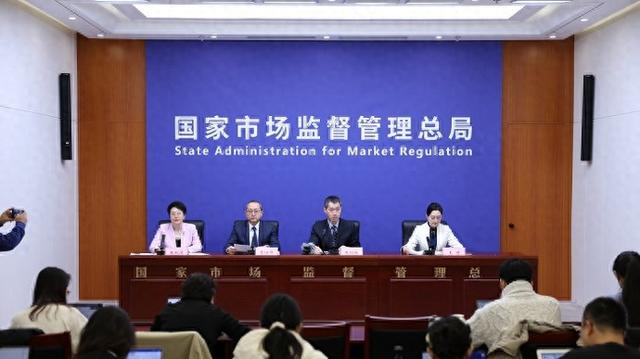
Core Viewpoint - The newly released regulations by the State Administration for Market Regulation and the National Internet Information Office aim to address issues such as "refund only" and "lowest price across the network," as well as problems related to counterfeit goods and false marketing in live e-commerce [1][2]. Group 1: Platform Rules Supervision Management Measures - The "Platform Rules Supervision Management Measures" clarify the responsibilities and obligations of platform enterprises, focusing on enhancing governance transparency and fairness [1][2]. - New requirements include publicizing rule formulation and modification, soliciting opinions, and setting transitional periods to ensure the participation and right to know for merchants and consumers [1][2]. - The measures prohibit platforms from unreasonably restricting merchants' autonomy, charging unreasonable fees, imposing illegal fines, and diminishing member rights [1]. Group 2: Live E-commerce Supervision Management Measures - The "Live E-commerce Supervision Management Measures" specify legal responsibilities for various parties involved in live e-commerce, including platform operators and live stream hosts, and establish a comprehensive responsibility system [2]. - The regulations introduce innovative supervisory tools, including flow control, and mandate platforms to take timely actions against reported violations, such as warning, limiting functions, and closing accounts [2]. - The measures also require the identification of AI-generated content in live e-commerce activities to prevent the spread of false information [2]. Group 3: Future Directions - The new regulations will serve as a catalyst for further addressing issues in live e-commerce, focusing on false advertising and AI impersonation of public figures [3]. - There will be an emphasis on strengthening content review responsibilities for platforms and strictly penalizing those that fail to fulfill their responsibilities [3]. - The initiative includes enhancing the legal literacy and professional ethics of industry personnel to promote healthy and orderly development in live e-commerce [3].
《直播电商监督管理办法》出台,“魑魅魍魉”退散
Xin Lang Cai Jing· 2026-01-07 14:04
Core Viewpoint - The introduction of the "Live E-commerce Supervision and Management Measures" by the State Administration for Market Regulation and the National Internet Information Office aims to regulate the rapidly growing live e-commerce market, addressing various issues that undermine consumer trust and ensuring accountability within the industry [3][4]. Group 1: Regulatory Measures - The new regulations will take effect on February 1, 2026, establishing legal boundaries for the trillion-dollar live e-commerce market [3]. - The regulations aim to address significant issues such as AI impersonation, counterfeit products, and fraudulent practices in private domain sales, which have led to a surge in complaints [3][4]. - In 2024, complaints related to live commerce reached 402,000, a 19.3% increase year-on-year, with social media platforms seeing a threefold increase in complaints [3]. Group 2: Accountability and Responsibility - The regulations will enforce full disclosure of AI digital identities during live broadcasts, ensuring that operators are held accountable for their actions [4]. - Platforms will be required to verify the real identities of merchants, making it easier to trace fraudulent activities even in private sales [4]. - Multi-Channel Network (MCN) agencies will be held liable for the actions of their contracted influencers, preventing them from evading responsibility for fraudulent practices [4]. Group 3: Implementation and Impact - The effectiveness of the new regulations will depend on precise implementation, including the exploration of a "live compliance score" system that links credit ratings to traffic recommendations [5]. - Platforms are encouraged to shift from a "traffic-first" mentality to one that prioritizes integrity metrics such as negative review rates and return rates [5]. - The regulations aim to transition the industry from a focus on quantity to a focus on quality, establishing a new standard for digital consumption [5].